Revisiting Vietnam as an Empty-Nester, Backpacking Couple Looking for a Carefree Escape
Stepping back to a carefree time was the best escape for an empty-nester backpacking couple
 all photos by Sue Hoffart
“Sell the house,” my homebody husband blurts out one Tuesday afternoon in southern Vietnam.
That’s the moment when it is clear we have pulled off an attempt to return to the glorious irresponsibility of our backpacking youth.
Frankly, I hadn’t been sure we were up to it. Almost three decades of adulting lay between our last truly carefree travels and this South East Asian quest. Could we actually still sling a small bag over our shoulders and fly by the seat of our pants? How would we really handle feeling lost and unsure, overheated, potentially unwell and unable to drink the tap water or comprehend the language?
Demographically speaking, we ought to have set off with a wheeled suitcase and proper plans. Social media advertising suggests we should be yearning for a group cycle tour or a cruise, or perhaps five days basking on a Pacific Island. Certainly not five weeks without an itinerary and only a vague understanding of how best to reach Hanoi from Ho Chi Minh.
The long-haired lout from my earlier travel days has a buzz cut now. He remains a delight to live with but has long since succumbed to a favourite Friday night dish and a host of other inoffensive habits. He is also a man who loves his house, who likes to plan his route and, ideally, know what time he’ll be back in the driveway. Initially, he was not entirely eager to don that pack.
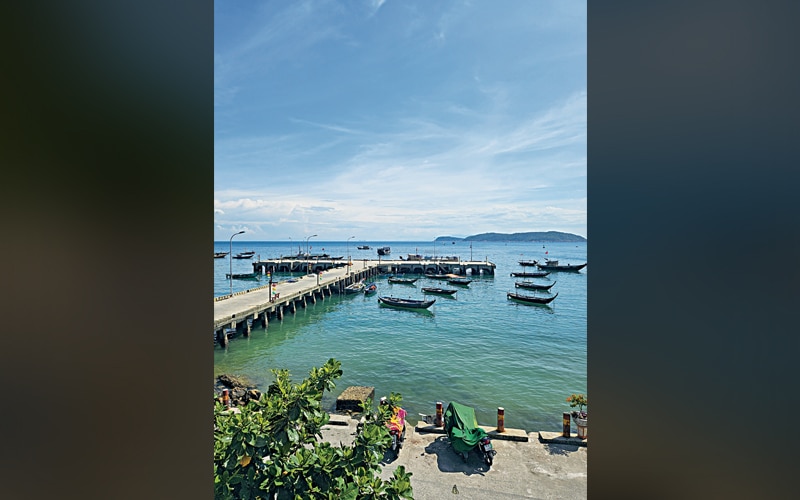 Once a magnet for younger travellers, Vietnam is increasingly popular among empty nesters and wealthier ‘flashpackers’ wishing to explore its beauty and culture
So it is no small thing when, less than a week into our adventure, Mr. Routine beams and half-jokingly suggests we cash up and stay on the road. Or perhaps just remain near the palm-shrouded swimming pool that is washing away sweat beads after a cycle ride through the coastal tourist town of Mũi Né. This particular destination was never on my wish list. It is a last-minute diversion chosen largely to avoid the bunk-style so-called sleeper buses that ply the nation’s roads at the worst possible hours. A couple of horizontal day trips have convinced us to dodge lengthy night journeys, which is how we find ourselves zigging half a day’s travel north of the capital city before zagging to an inland hill retreat.
High summer in Mũi Né is thumpingly hot, dusty and a bit grimy. Further down the coast, foreigners bask in front of vast, glamorous resorts, with loungers perched on sand that is manicured daily.
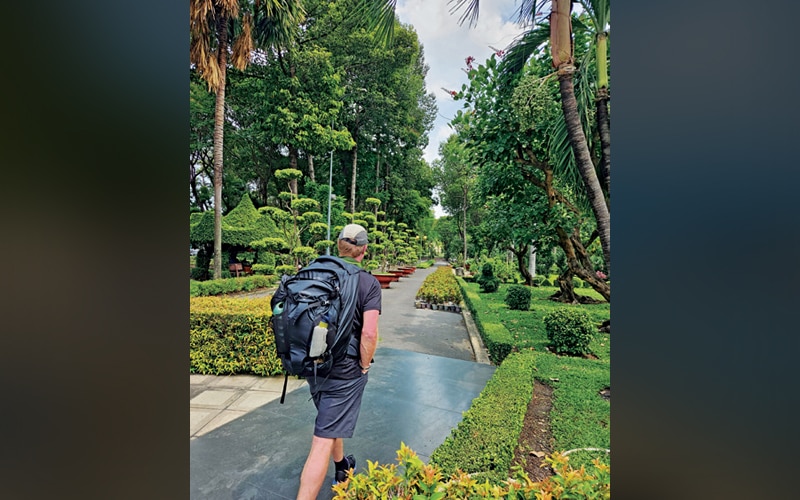
However, we are also delighted by a mildly treacherous cycle ride that has us weaving around unpredictable motorbike traffic and through a herd of Brahman cows grazing on sparse roadside vegetation.
I am captivated by the Vietnamese doctor and her family staying in the room next door; they practise their English on me and gift us with an enormous bag of spiny rambutan fruit. We enjoy the company of bright, engaging young travellers with whom we trade travel tips and tales. Twenty-something French and German women share their hopes and plans in that unguarded way that happens on the other side of the world when you’re unlikely to meet each other again.
“Go south to the Mekong Delta,” we tell our new friends. Skip the usual tourist cruise boats and stay instead with Yennie and her parents at their delightfully quirky riverside homestay on the outskirts of Vin Long. In three days, we failed to see another foreigner. However, we did meet a mango seller and her shy daughter on an island in the delta’s murky expanse and we biked to a rural village populated by brick kilns built like enormous terracotta beehives. Yennie’s mum allowed me to help prepare a wonderfully garlicky eggplant dish in her open air kitchen, while her father plied us with a seriously alcoholic homemade hooch he claimed would cure everything from skin conditions to vitamin deficiencies.
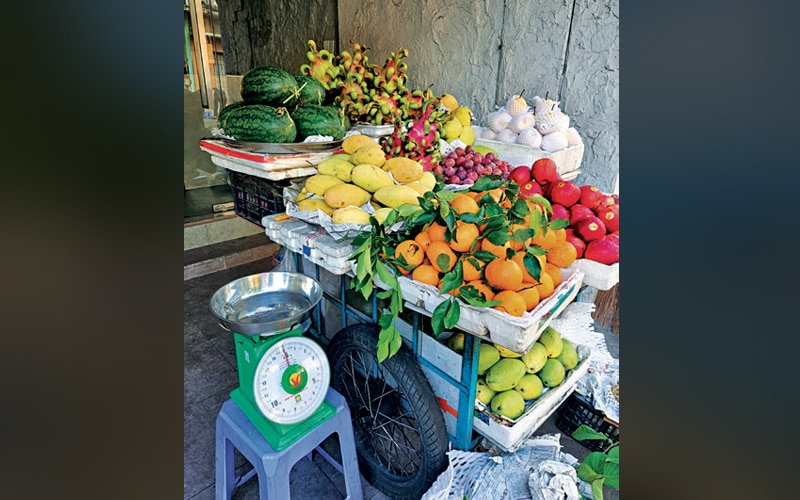 Vietnam is a treasure trove of unique and exotic fruits.
“Embrace the mania of Ho Chi Minh,” we advise our fellow travellers. Ideally, start with a street food tour on the back of a motorbike after dark. Join millions of scooters hurtling through the city streets, inhaling road fumes and aromatic smoke from footpath eateries serving eggy pastries and hand rolled dumplings or pork-loaded snails. Explore the nation’s largest flower market as well as the city’s oldest apartment block, with its ubiquitous tangle of ‘black noodle’ power lines looping overhead.
While this is a wildly exhilarating ride and the food is glorious, it’s the guides we really fall for. These two young men generously share family stories and career aspirations and reveal the creative punishments imposed on those who fail to precisely fold a blanket during compulsory national military service. They praise our botched attempts at their language and show us how to wrap sheets of rice paper, herbs and greens around crispy Bánh xèo pancakes.
“Is it OK to hug?”, they ask shyly, after delivering us to our hotel doorstep like a couple of dutiful sons. “Cảm ơn,” thank you, we tell them during the embrace.
In the ensuing weeks, I learn to recognise another gesture. Locals will often grip one elbow and dip their head a little as they hand over a fresh coconut, a meal, a roll of toilet paper. This unfamiliar and seemingly undeserved mark of respect is offered solely because I am older than the giver. It is always accompanied by a smile and always brings a jolt of midlife flashpacker joy.
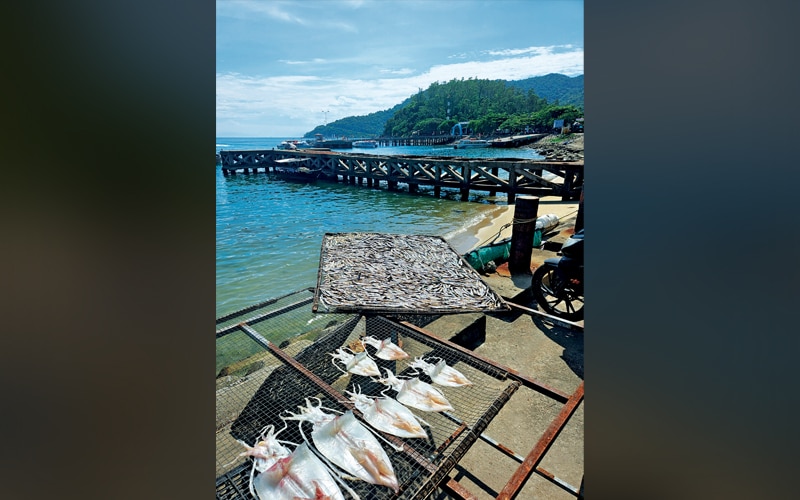 o preserve fresh fish, it is dried and sometimes lightly steamed
Truthfully, this is all so much easier than we expected. Or remembered. And not merely because our budget extends beyond sharing a hostel bunkroom and vomit-scented bathroom with three drunks and a snorer. We may feel nostalgic for the days when fellow bus passengers included live animals but we don’t miss the smokers or the treacherous roads or passing the burnt-out carcasses of other vehicles.
Modern translation tools allow more meaningful communication with the homestay hostess who plies us with roasted sweet potatoes for our onward journey and speaks only Russian and Vietnamese.
Online booking services save hours of train station hell. They lead us to an island off the coast of Hoi An, with a white-painted room overlooking a wharf where shoals of anchovies have been laid out to dry in the sun. The island is home to an arc of unsullied white sand with transparent water, as well as a beautiful toddler who climbs onto my knee each day while his mother cooks. It is also the spot where Mr Routine wrestles a feral monkey that tries to snatch our snacks on the beach.
Back home, the front lawn is so far devoid of ‘for sale’ signs and the backpacks have been stashed away. But last night I caught my husband with a Vietnamese travel book, reading about a province he’s never seen and does not know exactly how to reach.
Visiting Vietnam
Once grown-up children leave home, many ‘empty nesters’ are eager to redefine their lives with travel a top priority. Seeking to reconnect with their partners and embrace self-discovery, and able to travel off-season, empty nesters are heading to destinations that offer authentic experiences. With its interesting culture and history, pristine beaches, and some of the best food in the world, Vietnam is proving a popular and affordable destination. For example, five-star rooms in the country’s capital of Hanoi, famous for its lakes and blend of French and Vietnamese architecture, start at about A$120 (₹7,721) a night. There is also an abundance of homestays and guesthouses for far less. The Vietnamese are renowned for their hospitality and travellers can easily immerse themselves in local culture. Formerly known as Saigon, Ho Chi Minh City offers temples, museums and historic sites. “Wander the boulevards of this burgeoning city at your own pace, and stop to eat just about anywhere your nose leads you,” suggests travel expert Kiersten Likkel. —The Editors (www.vietnam.travel)