- HOME
- /
- Culturescape
- /
- Entertainment
- /
In Taiwan Travelogue, writer Yang Shuang-zi Lays A Feast of Memory and Empire
The Booker-Prize-winning novel is a moving meditation on friendship forged amid the complexities of colonial rule
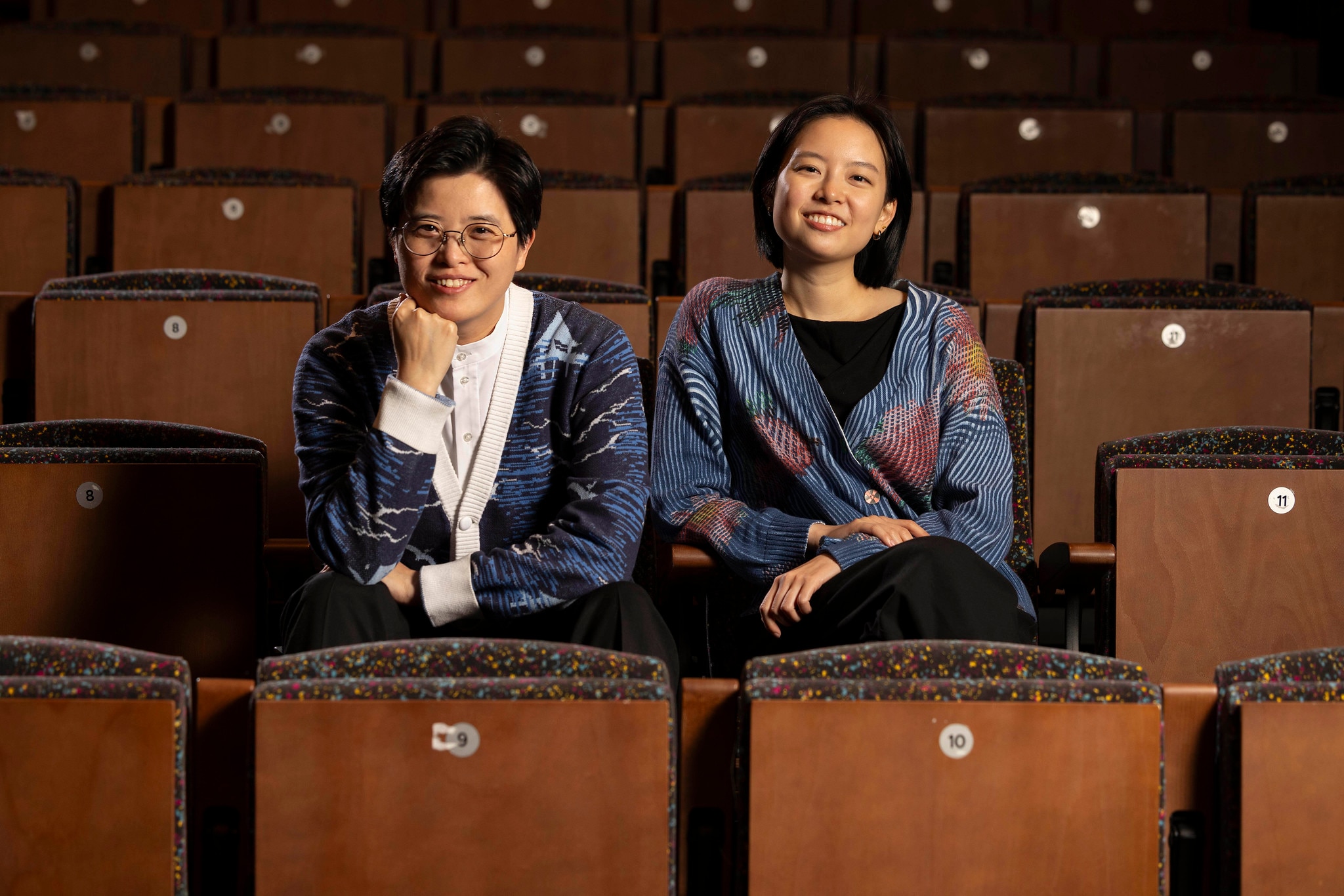
 Yang Shuang-zi (Left) and Lin King. Photo: Booker Prize Foundation
The Taiwanese writer Yang Shuang-zi and her translator Lin King were recently awarded the International Booker Prize for 2026, for the novel Taiwan Travelogue. Published in India by Pan Macmillan, the novel has been disguised and presented as a work of autobiographical fiction written by a Japanese writer named Aoyama Chizuko.
During the Second Sino-Japanese war (1937–1945) Chizuko is invited to travel across Taiwan by the island’s colonial Japanese government in order to document the various elements of Taiwanese cuisine. She is aided in her work by a Taiwanese interpreter, a highly cultured and capable woman named Chizuru. Despite Chizuko being on a colonial mission, so to speak, the two women strike a friendship that becomes much more meaningful than either woman can foresee. The novel is bookended by forewords and afterwords by fictional translators as well as notes by the descendants of both women.
Taiwan Travelogue is a complex narrative where themes of colonialism, identity and collective punishment are intertwined with Chizuko and Chizuru’s relationship. Often, the writer uses classical literary devices to highlight where they currently are in their equation—a visit to a local school, for example, sees the two playing referee in a schoolgirl spat that begins to mirror their own bond (à la the Leo Tolstoy short story Little Girls Wiser than Men).
This layered friendship also speaks to Yang Shuang-zi’s past as a writer of historical yuri fiction—a genre of Japanese media focusing on close relationships between female protagonists, including but not limited to romance (Shuang-zi’s wife is a noted Taiwanese political activist). Every chapter is named after a dish from Taiwanese cuisine and Shuang-zi uses the food descriptions to show us both Chizuko’s narrow-minded focus on superficial details and conversely, Chizuru’s devotion to the Taiwanese people’s—her people’s—way of life.
“A stomach was but a fireplace and food was but charcoal,” Shuang-zi writes. “When one was hungry, one chomped down on rice or toast with one’s teeth until one could swallow, and from there the steam train of one’s body could continue chugging along. For the first time in my life, I understood that the activity of eating was truly no more than that.”
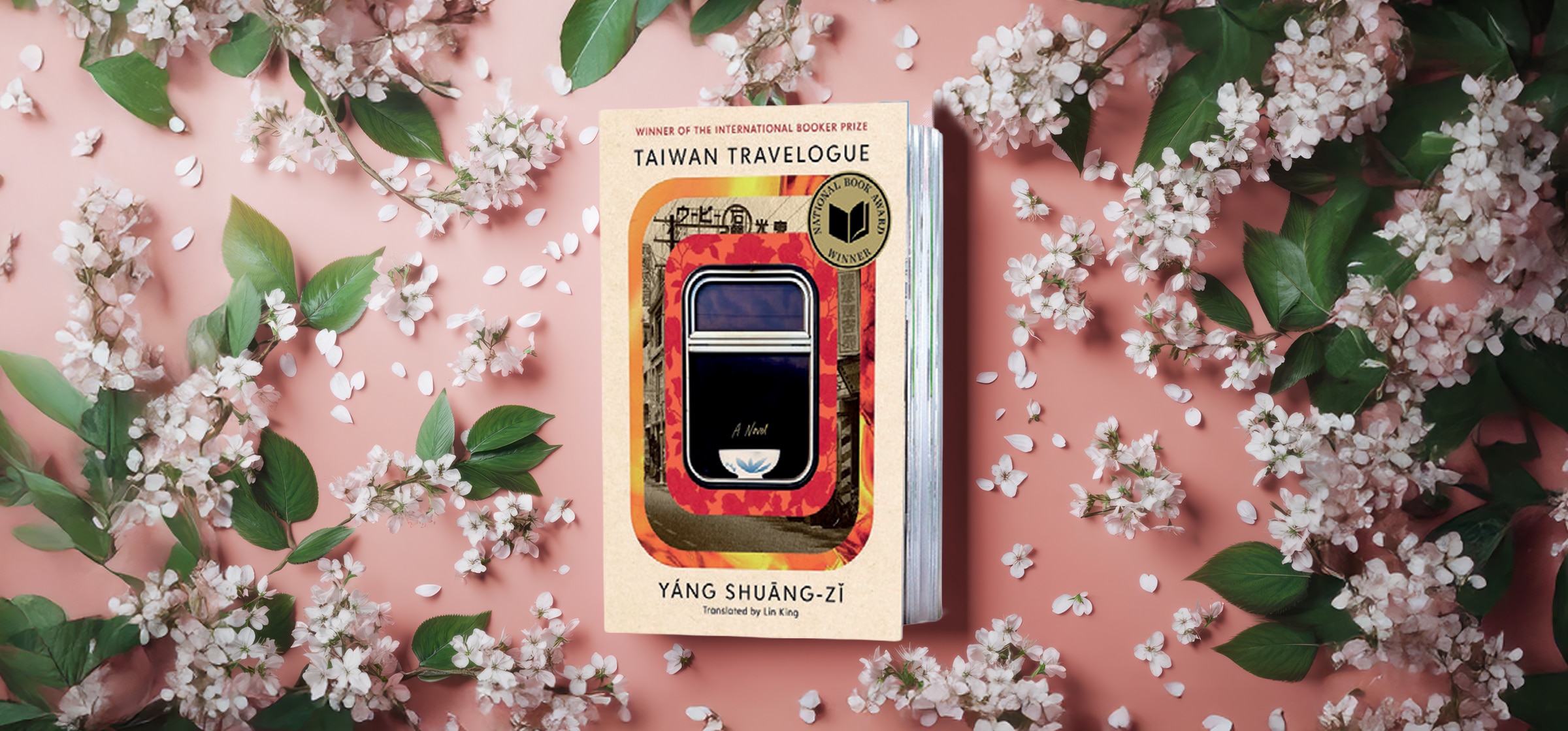 Taiwan Travelogue, by Yang Shuang-zi, Translated by Lin King, Published by Pan Macmillan India
At the end of the day, however, it is the protean, ever-shifting relationship between these two remarkable women that is the beating heart of Taiwan Travelogue. By the end of the novel, you will have laughed and cried with them, experienced the weight of history from both points of view, perhaps even questioned your own understanding of the way the world works.
“Just like you have long been aware that I have another side of me that is arrogant and self-important, I have long been aware that you have another side to you that is secretive, unforthcoming, and perfectly capable of lying with a straight face—a masterful actor. It is this masterful actor whom I regard as my best friend.”
For more stories like these, click here