- HOME
- /
- Culturescape
- /
- Me & My Shelf
- /
Christina Dhanuja's 10 Favourite Books
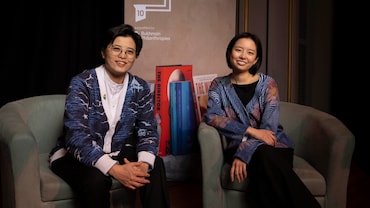
Co-founder of the #DalitHistoryMonth project and founding member of the Global Campaign for Dalit Women, Christina Dhanuja is a researcher–strategist working at the intersections of caste, gender, faith, and justice. Her debut book is Dalit Women and the Fullness of Life (2026).

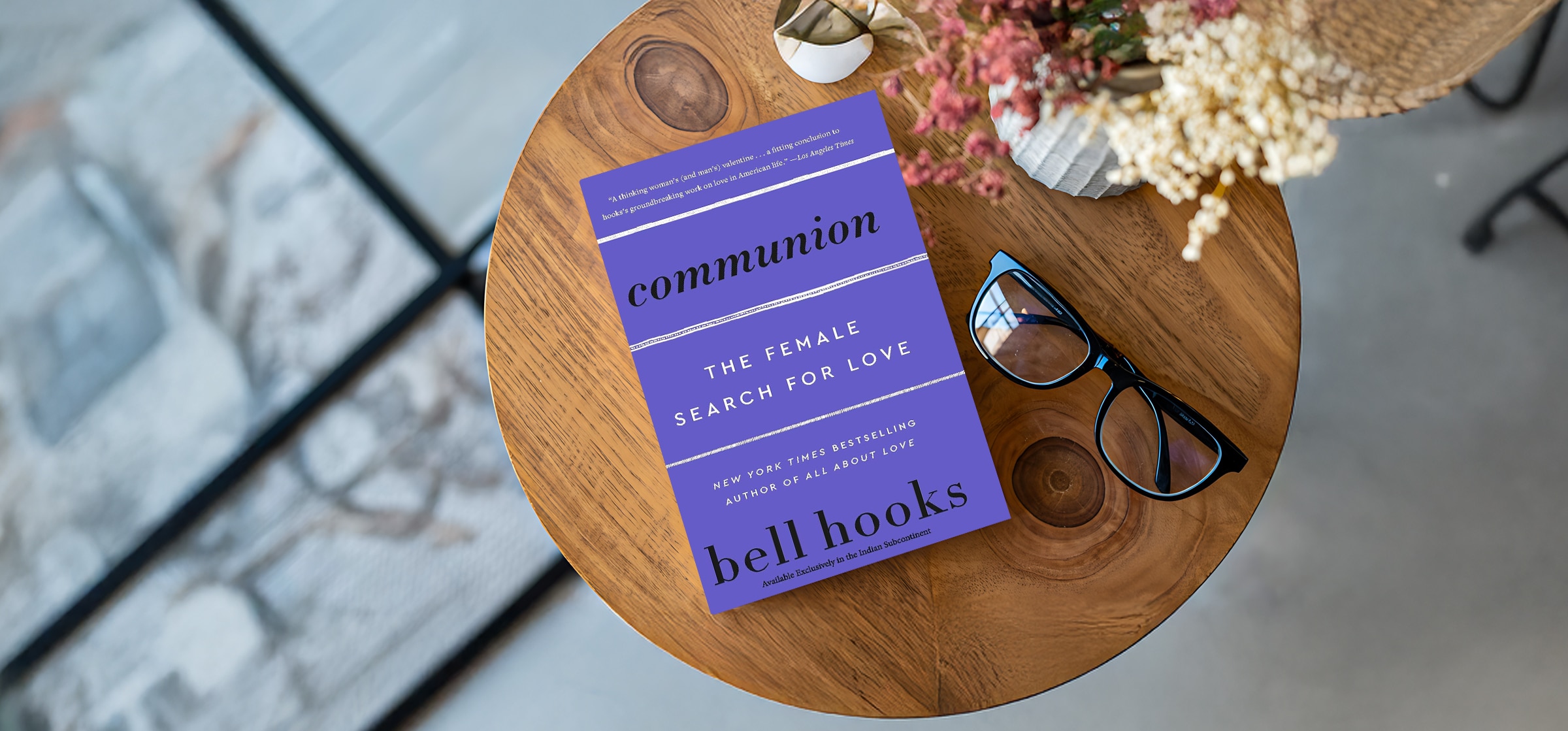
Communion, by bell hooks William Morrow Paperback, ₹345
In this, one of her most seminal works, feminist genius bell hooks speaks plainly and efficiently, as though she is writing to a friend or sister who may or may not be feminist. I got this book while in the throes of limerence, heartbreak, and disappointment, not fully understanding what love meant (or should mean) to someone who, like me, gave it all but received crumbs in return. This is a book for life.
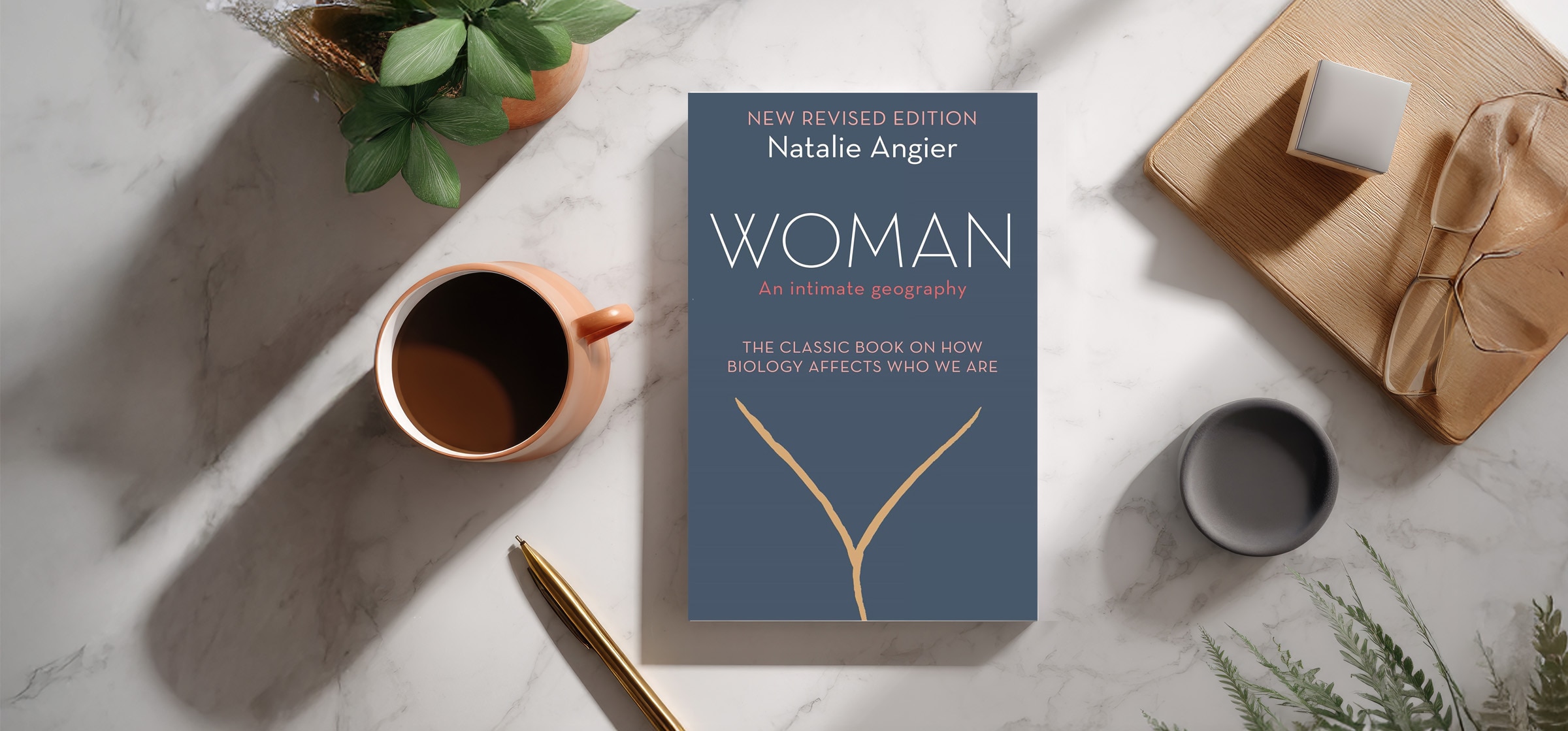
Woman, by Natalie Angier, Little Brown, ₹1,250
I stumbled upon this rigorously researched text in my late 20s. Written with humour and precision, Pulitzer-Prize winner Natalie Angier takes the reader through chapters of brilliant science writing—all in celebration of female anatomy and physiology. It wasn’t until I read this book that I began to appreciate the miracle that was my body. This is a book to read and remember through every bodily change: from puberty to postpartum, childbirth to menopause, sexual awakenings to muscle building.
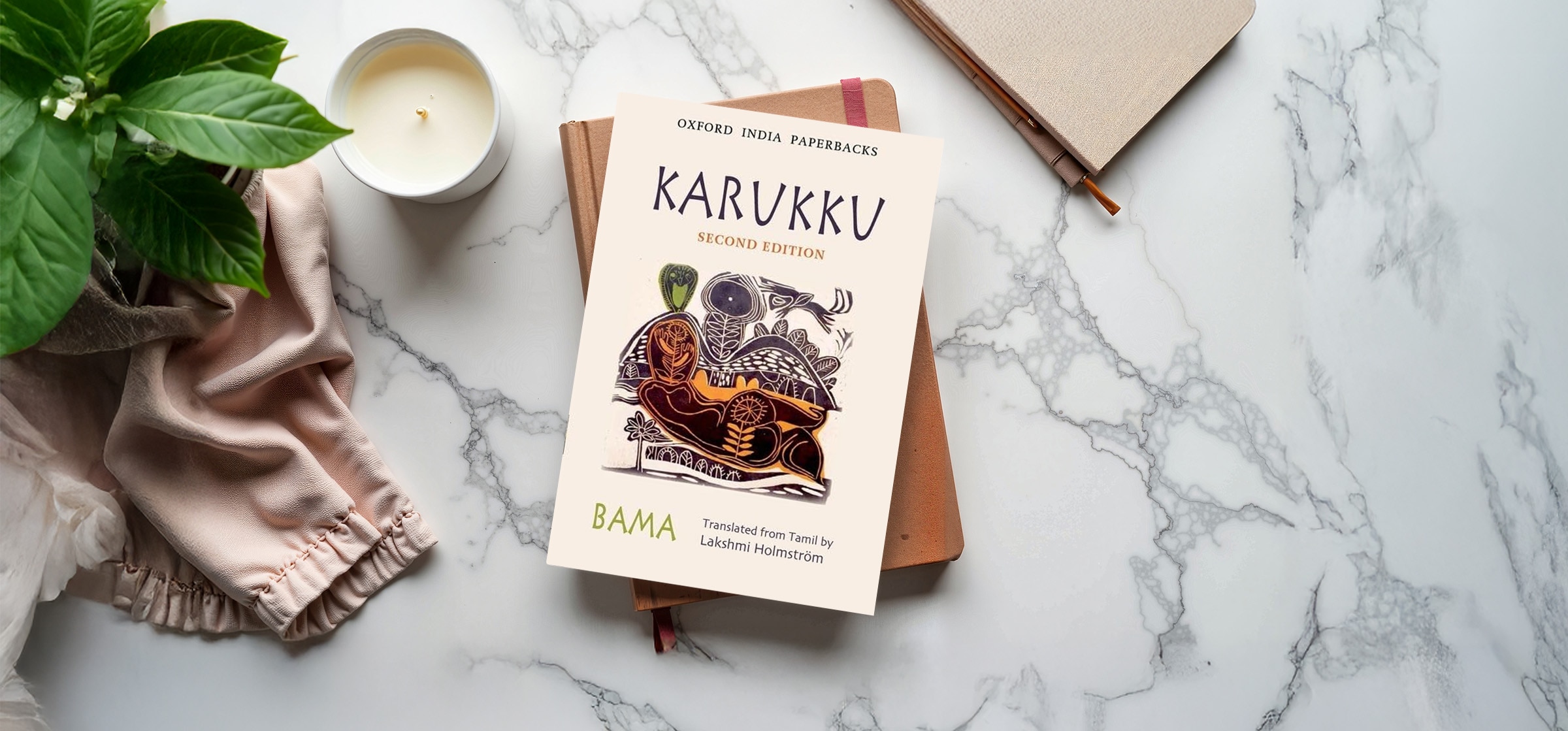
Karukku by Bama, Oxford University Press, ₹375
Karukku will go down in history as one of the most vital feminist and anti-caste works for anyone interested in the realities of South Asia. This autobiography changed everything I knew about Dalit writing and encouraged me to become the writer I am today. If not for Bama’s words, I would have continued to believe that Indian writing—as it shows up in the world—was a domain that belonged only to a certain few.
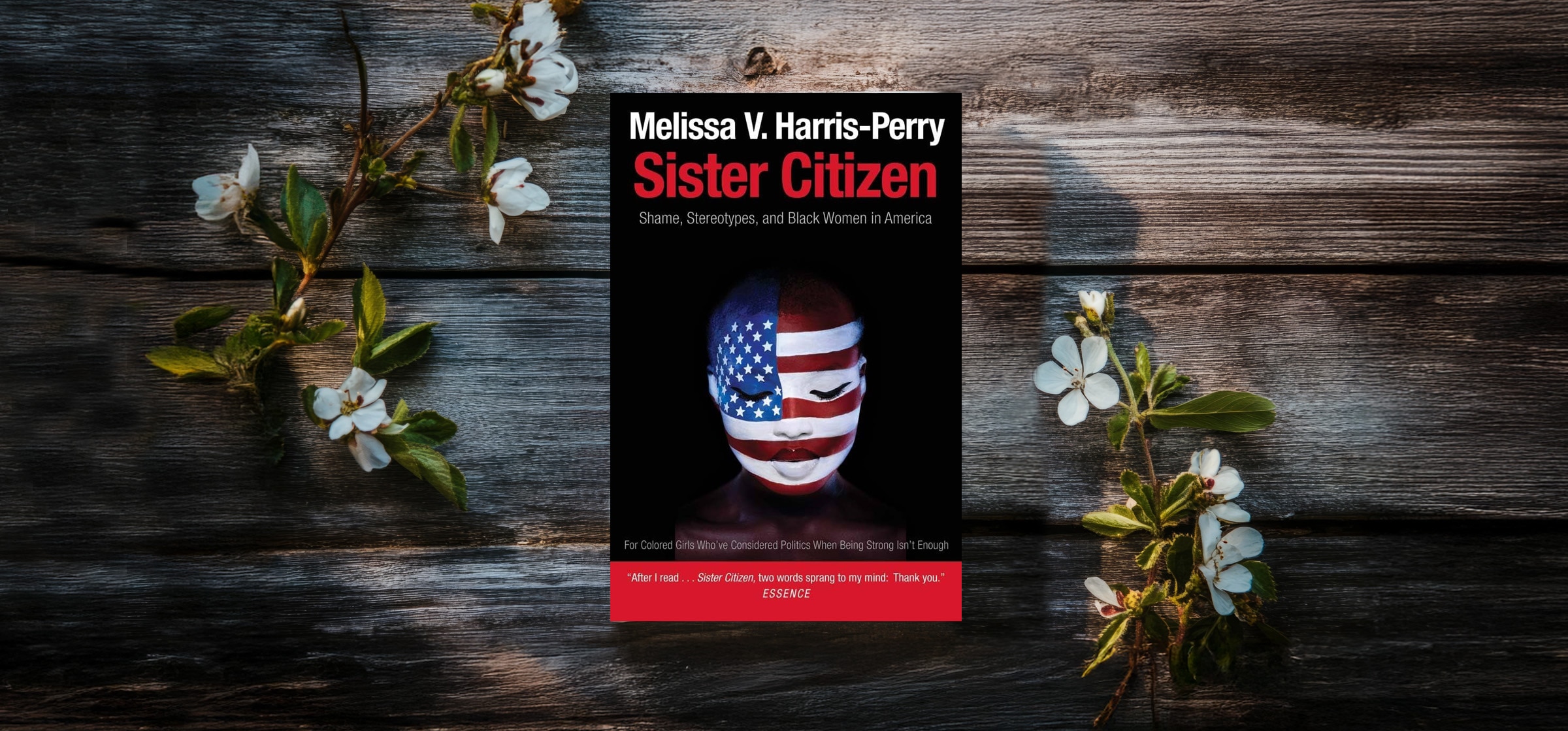
Sister Citizen, by Melissa V. Harris-Perry, Yale University Press, ₹7,108
If hooks helped me understand myself, Harris-Perry transformed how I saw the world. This book is a groundbreaking exploration of Black female identity in the US. As an Indian Dalit woman invested in feminist anti-caste politics, not all Black women’s realities are fully relevant to me. But Harris-Perry’s insistence that we see the world as a crooked room—one that stereotypes and shames its women—brought about a paradigm shift in the way I processed Dalit women’s realities.
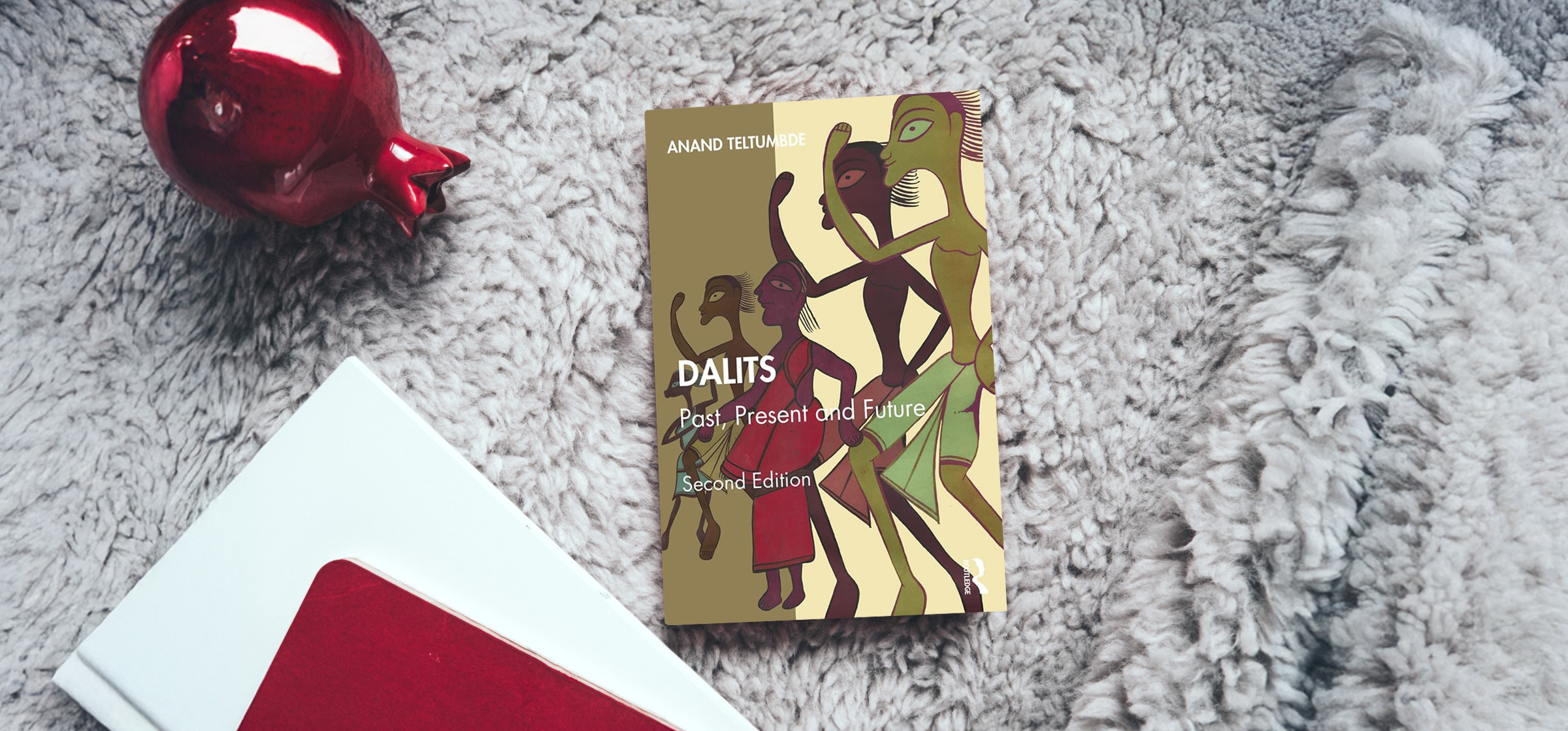
Dalits: Past, Present & Future, by Anand Teltumbde, Routledge, ₹10,786
Teltumbde’s work spans multiple masterpieces, but this remains my favourite—a must-read for anyone seeking a comprehensive understanding of caste, caste-like systems, anti-caste resistance, and Dalits. Although better known as a human-rights activist, his training as an engineer shines through in the text.
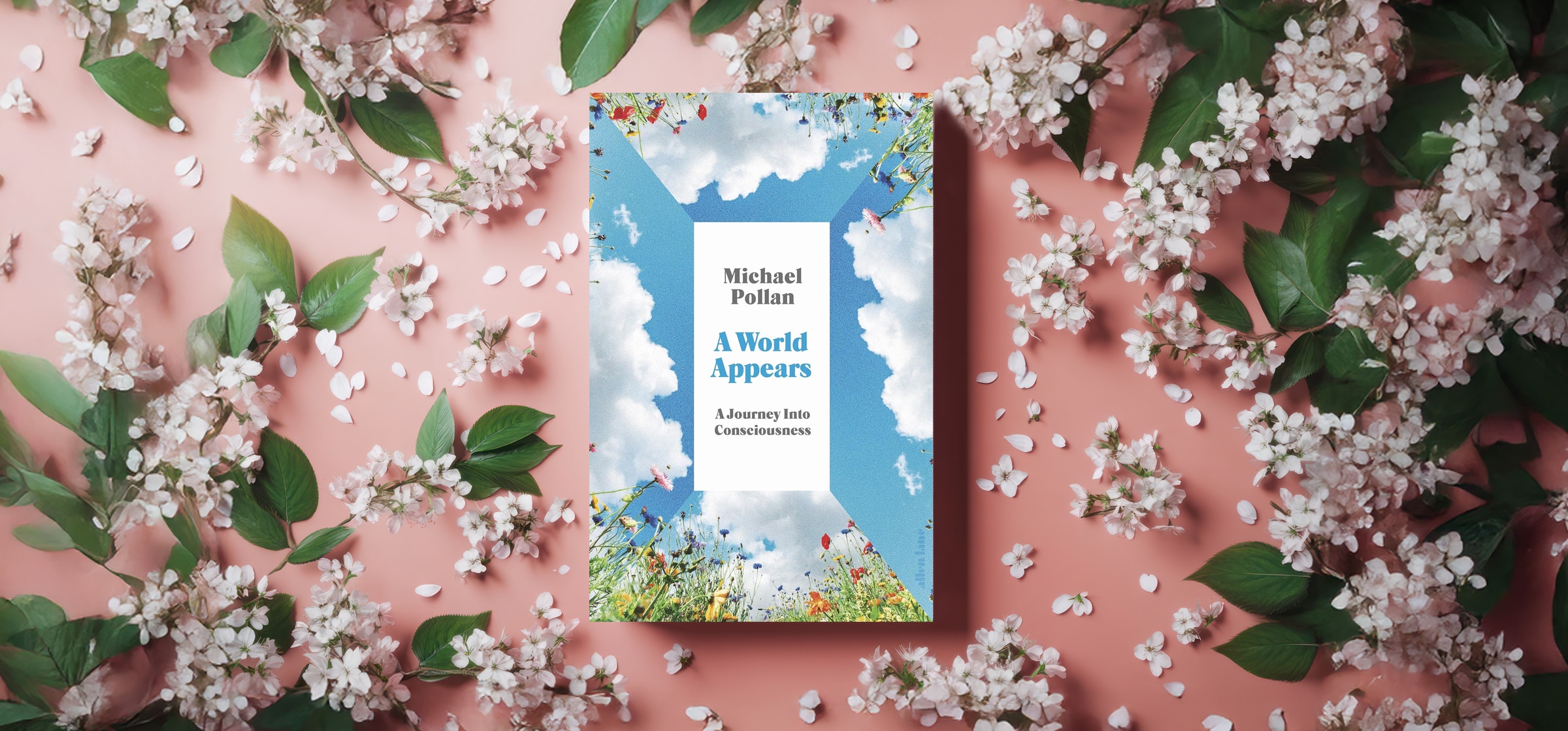
A World Appears, by Michael Pollan, Allen Lane, ₹1,099
A book I fully recommend to our social-media-obsessed generation, which has forgotten what boredom feels like and what a gift it is to be consciously human. Pollan brilliantly weaves together multiple views, not sticking solely to the so-called ‘scientific’ way of understanding. I was fascinated by the examples he cites of non-human intelligence—something we must appreciate even as we survive this techno-feudal world.
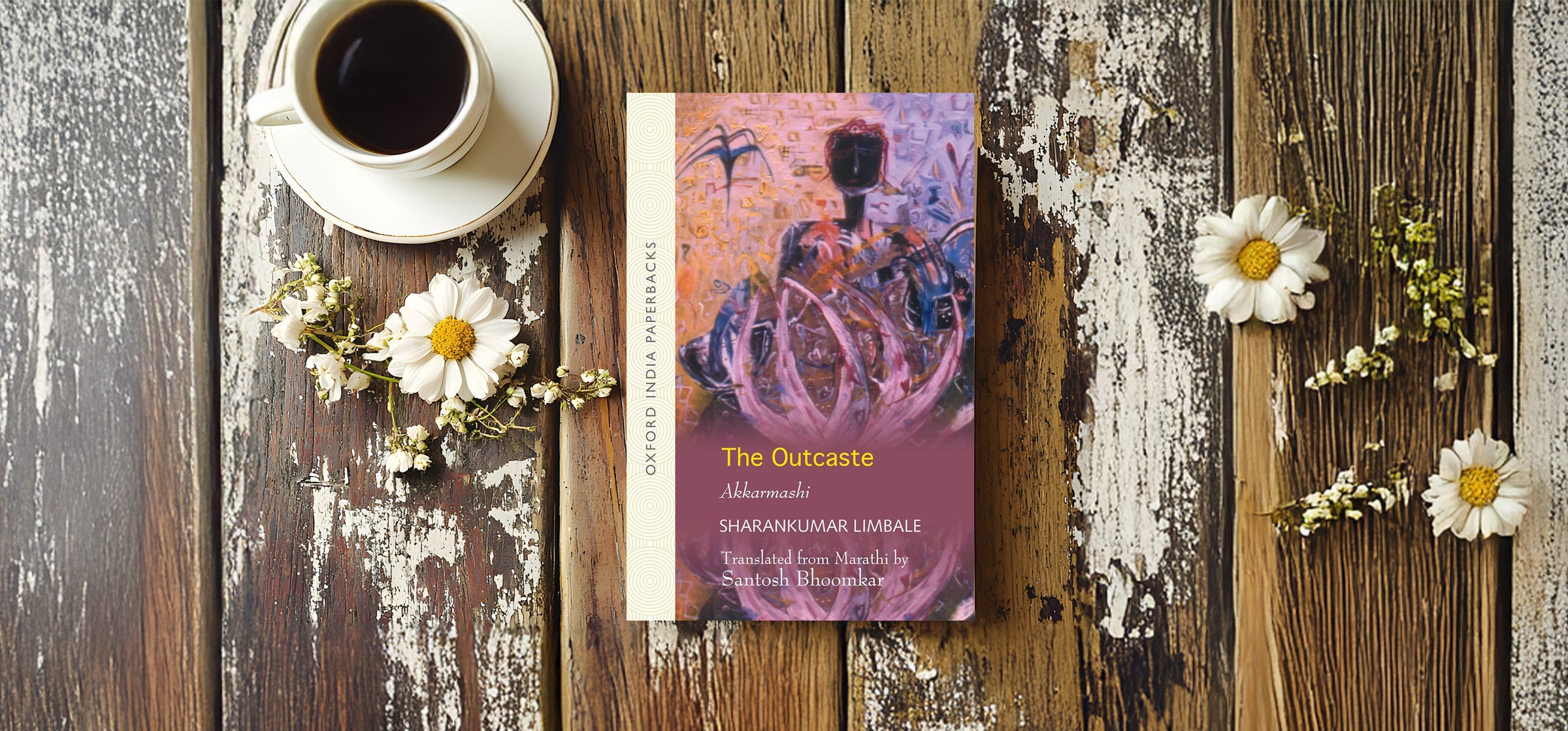
Outcaste (Akkarmashi) by Sharankumar Limbale, Oxford University Press, ₹345
My earliest read of translated Dalit autobiographies. Limbale’s recollection of Santamai, his grandmother, eating bhakaris (bread) made from undigested jowar grains collected from cow dung, is still fresh in my mind. He writes that the rotis stank of cow dung, which she ate without a hint of nausea.
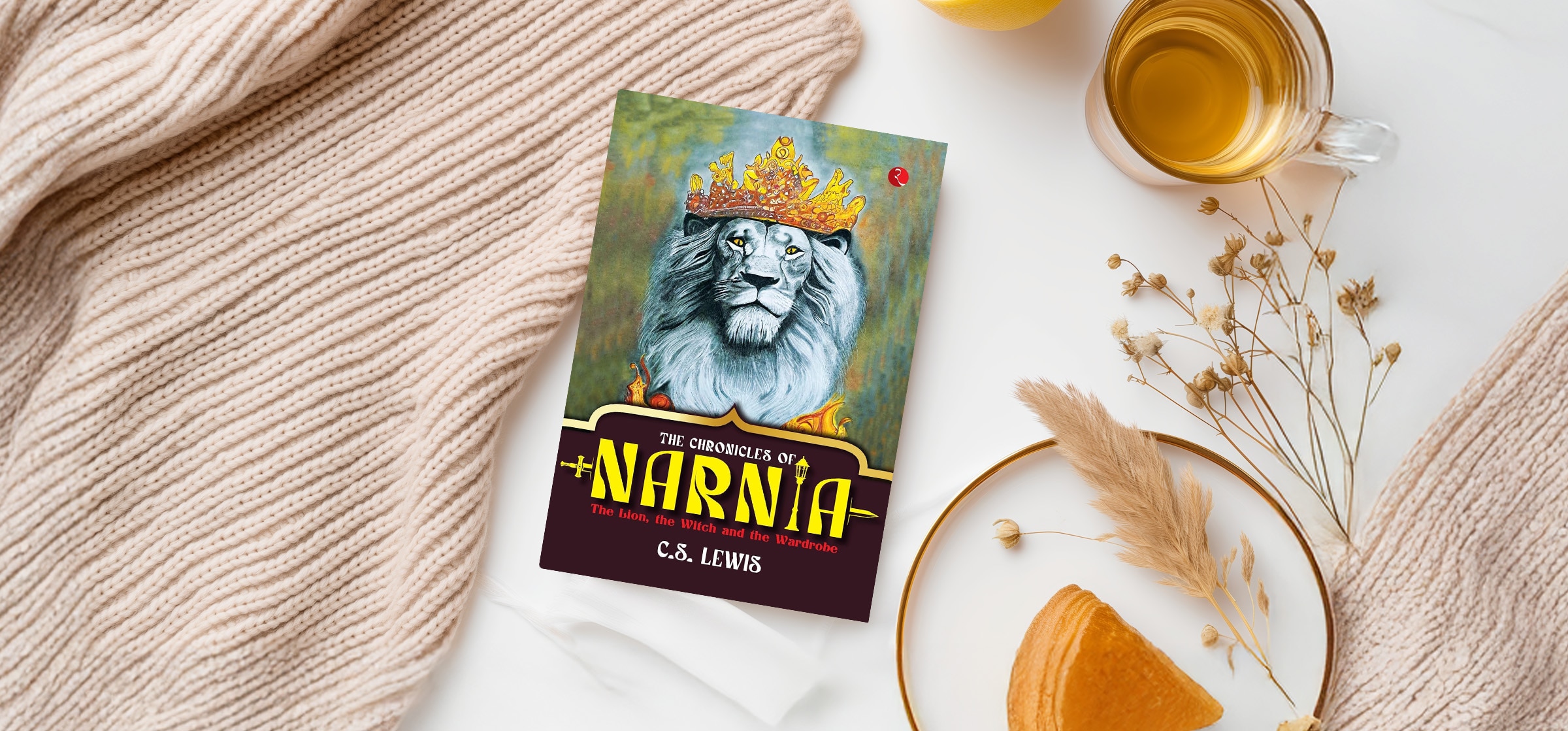
The Chronicles of Narnia by C. S. Lewis, B. K. Classics, ₹195
I’m not a fan of C. S. Lewis’s conservative views, but The Chronicles of Narnia will always be my go-to on a cozy winter day—one I will read over and over to my son Aslan, named after Narnia’s Great Lion. I find myself in every character, but will always vie to be Sir Reepicheep, the noblest of hearts who receives the best of what life and death can give—an eternity with Aslan.
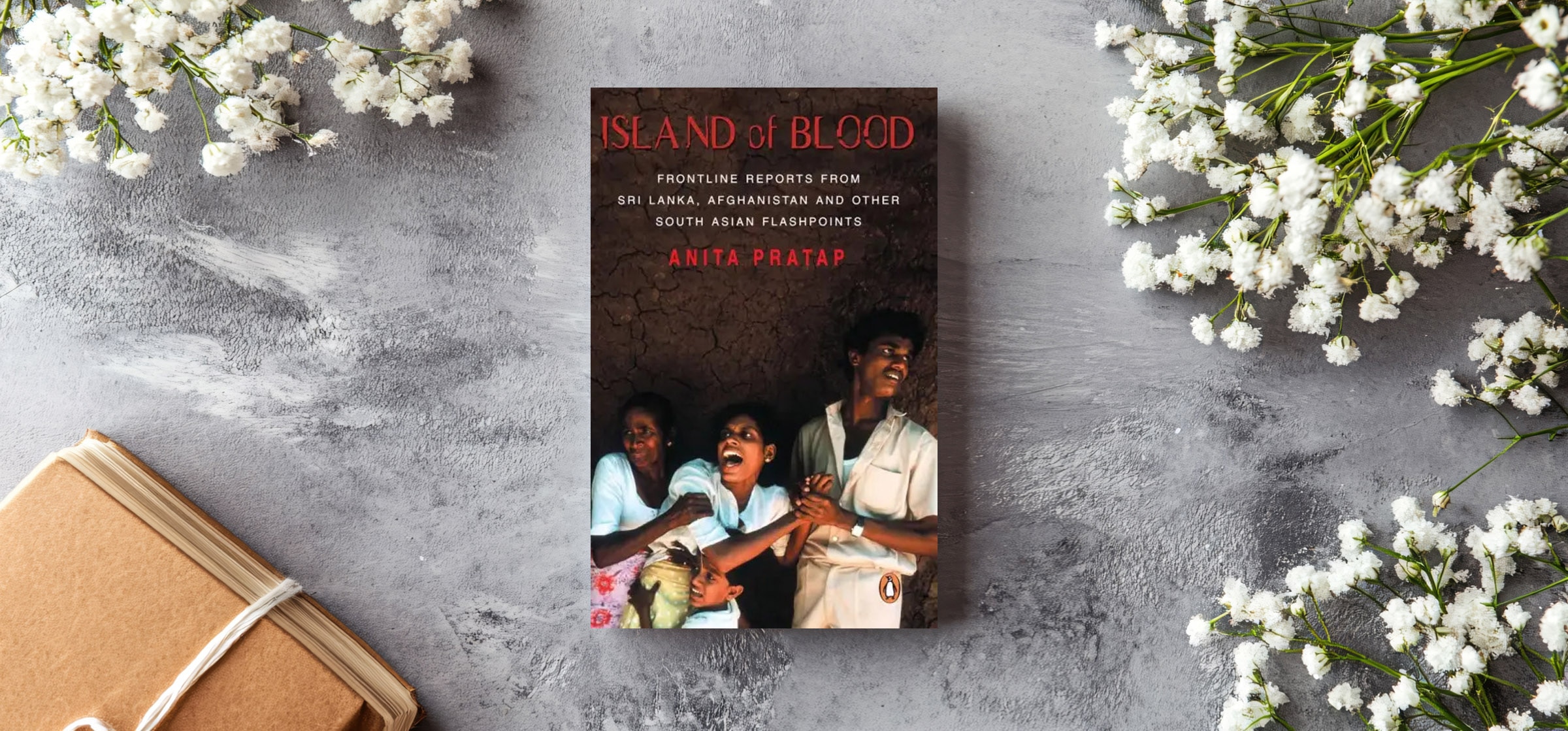
Island of Blood by Anita Pratap, Penguin, ₹1,980
Pratap’s journalistic account of ethnic conflict and natural disasters, drawn from her frontline experiences across South Asia, was my first-ever non-fiction read—one that pulled me away from fiction. A line from the book still lives in my head: “Truly, hunger is the best spice, exhaustion the best sedative.”
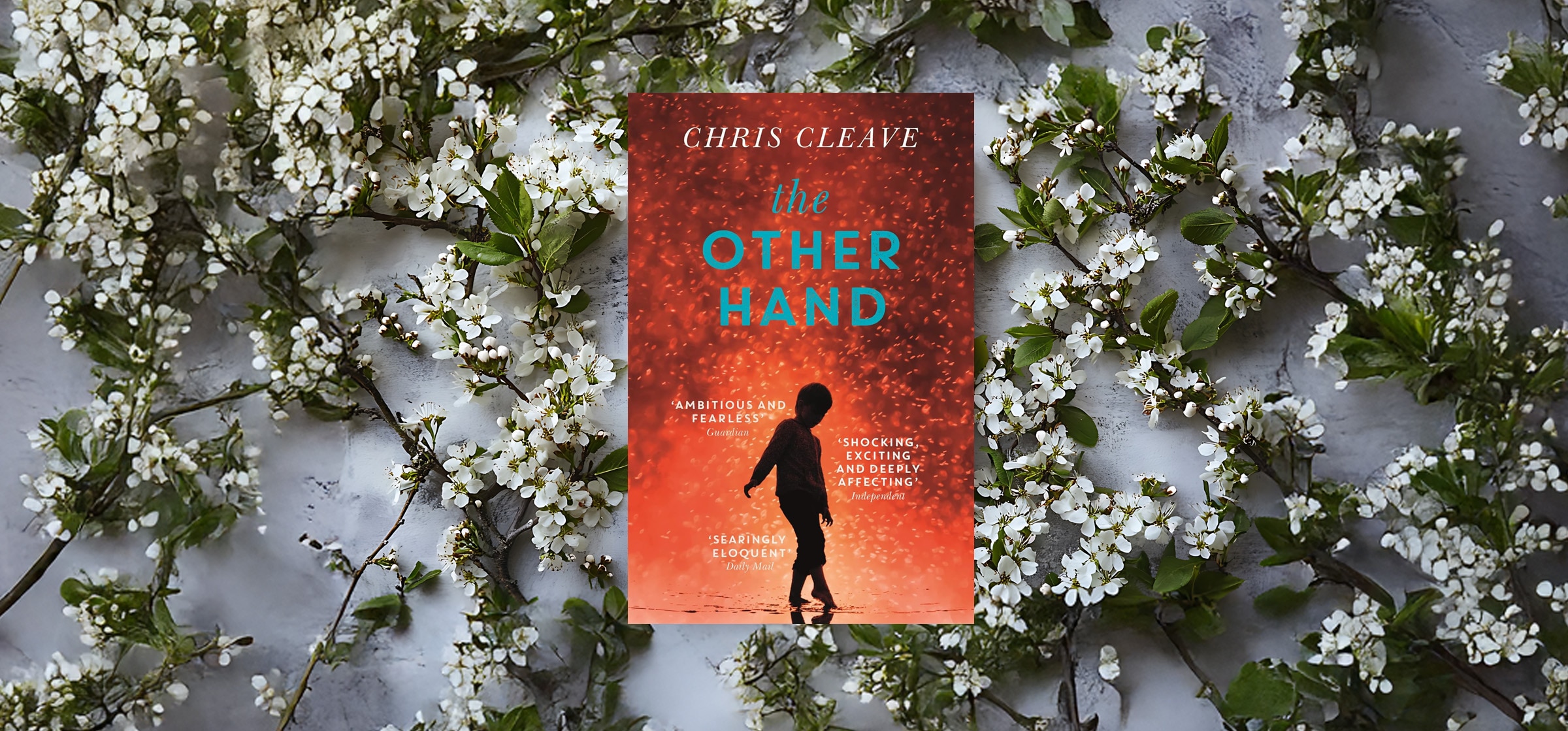
The Other Hand by Chris Cleave, Hodder and Stoughton, ₹385
A devastating work of fiction that brings together themes of British colonialism, asylum-seeking, and sheer violence. Perhaps not for everyone, but it is one of those books that stays with you for years after you’re finished.
For more book recommendations like these, click here