- HOME
- /
- Culturescape
- /
- Me & My Shelf
- /
Saikat Majumdar's Favourite Books of all time
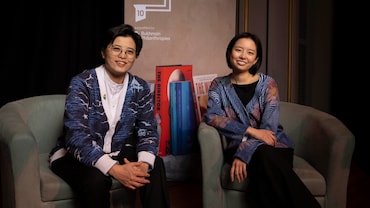
Saikat Majumdar’s most recent book is The Amateur: Self-Making and the Humanities in the Postcolony, a book of criticism that brings current debates around reading together with the history of higher education in the postcolony. His other books include novels like The Scent of God, The Firebird/Play House and The Middle Finger. He has also written a book column for the Los Angeles Review of Books, called ‘Another Look at India’s Books’.

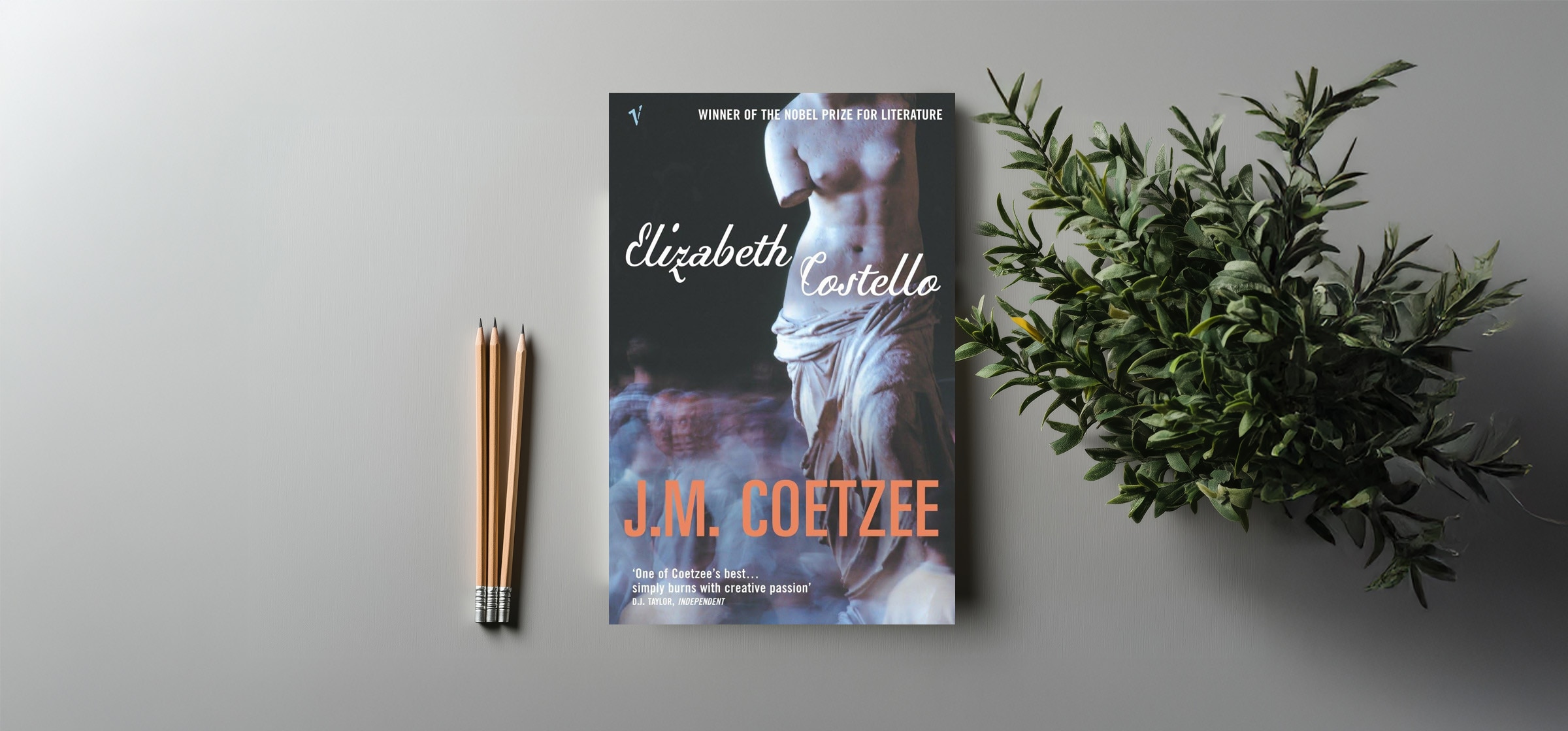
Elizabeth Costello by J. M. Coetzee, Vintage
I like books that bend genres, and I love the way in which this book does this. Each chapter opens as a short story but becomes essayistic, often with a long talk as a centrepiece, many of which involve the fictional character Elizabeth Costello, a well-known Australian novelist in her late sixties, delivering an invited lecture. But some-thing about the personal relationships between the characters often proves ar-guments false, and conclusions elusive.
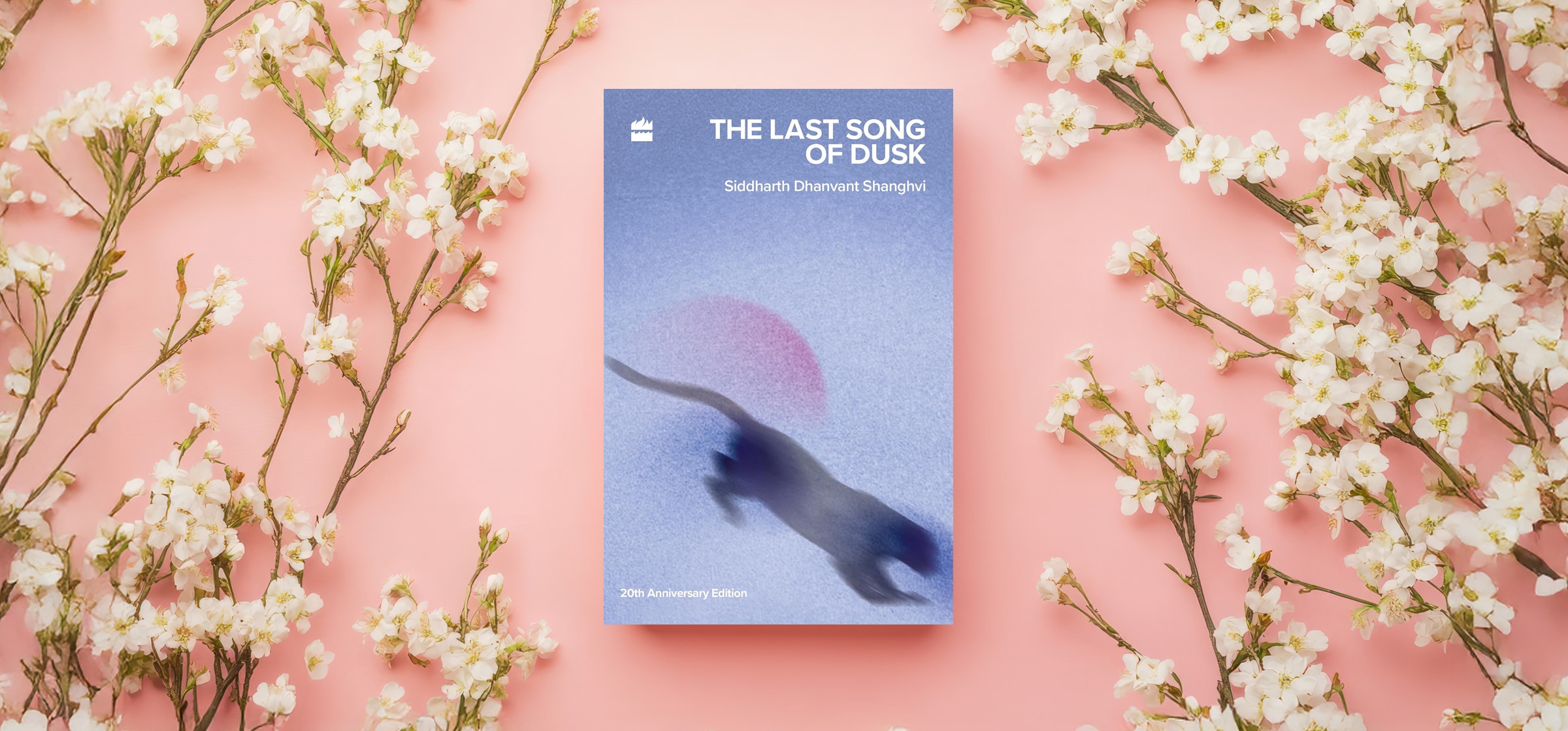
The Last Song of Dusk by Siddharth Dhanavant Sanghvi, Penguin
Possibly the most dreamy and addictive of all 21st-century novels that I’ve read. I’m not a fan of magic realism but this book pushes realism till it stretches and changes form, rather than rupturing it abruptly. Heartbreak was never so immersive and magnetic as here—the loss of love, of child, of self—and the most memorable character is a house who feels and remembers everything.
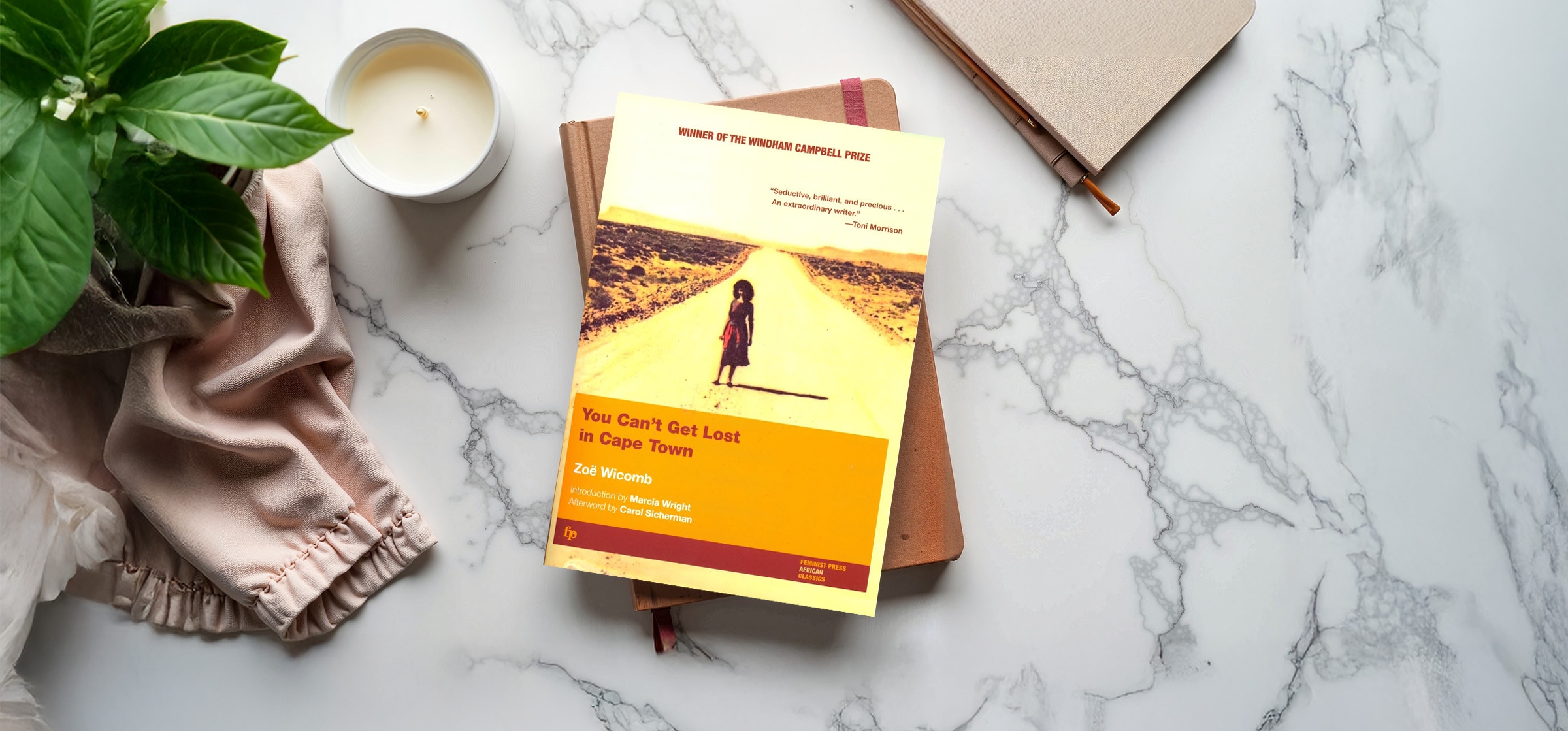
You Can’t Get Lost in Cape Town by Zoe Wicomb, The Feminist Press at CUNY
Wicomb is South Africa’s best-kept literary secret, now slowly becoming known to readers outside. This linked collection of stories works like a coming-of-age novel, outlining the growth of the auto- biographically crafted Frieda Shenton, a mixed-race girl from Namaqualand, growing up under apartheid. The political is woven intricately, sometimes invisibly, into the texture of everyday life.
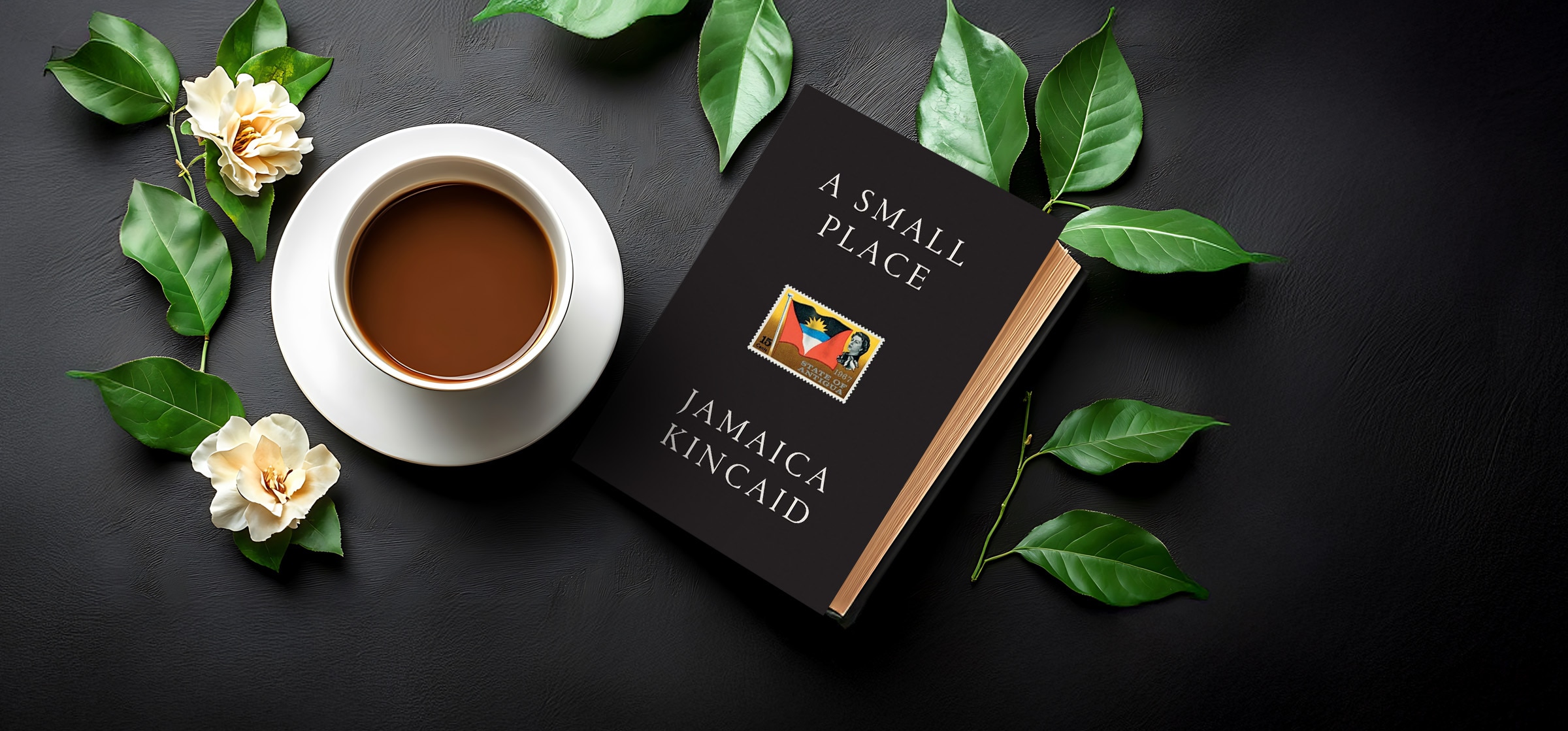
A Small Place by Jamaica Kincaid, Farrar, Straus and Giroux
By now a 20th-century classic, this book is an angry polemic, a manifesto, a memoir, an autobiography of Antigua—'a small place'. Travel and tourism will never feel the same again after one reads this.
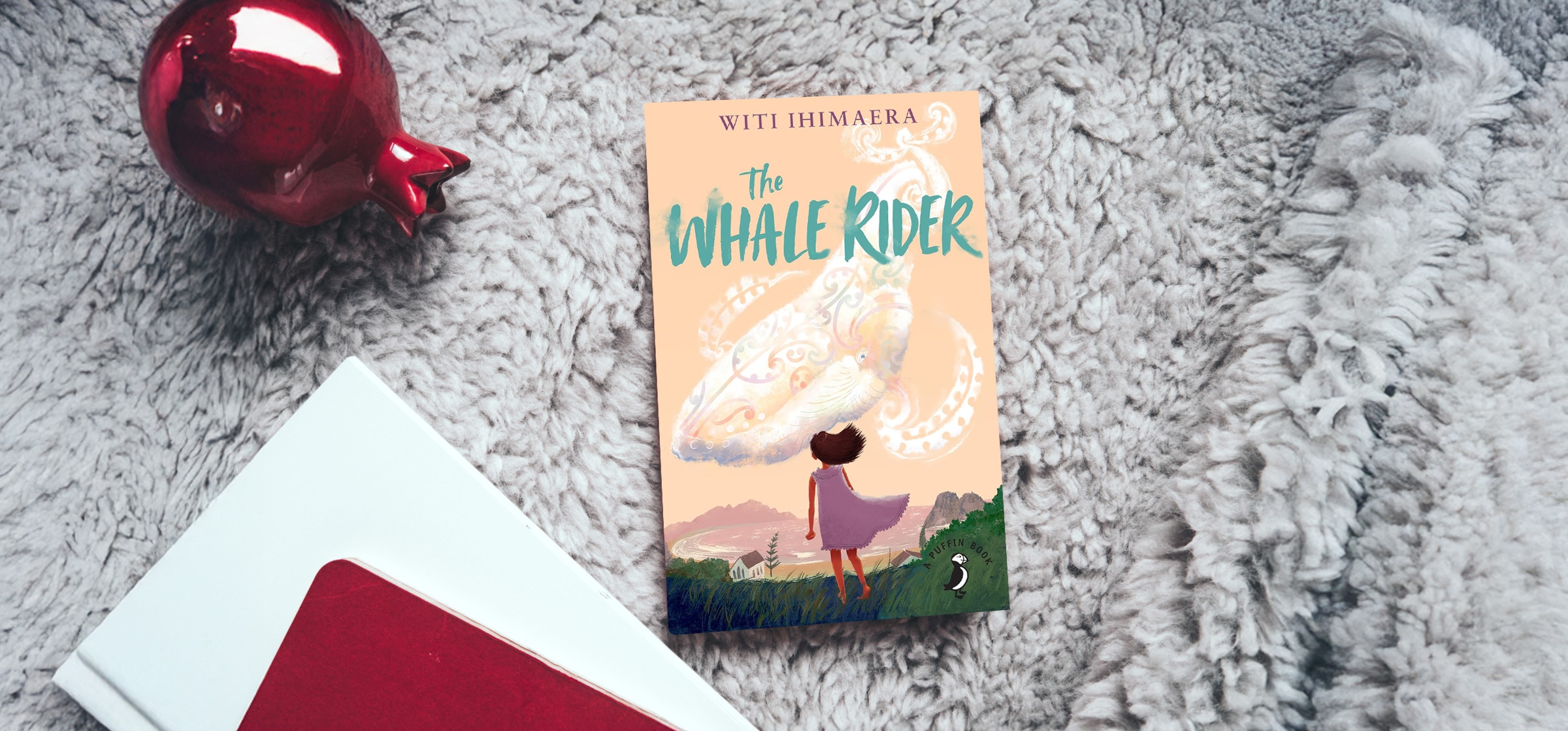
The Whale Rider by Witi Ihimeara, Read How You Want
A slim young-adult novel by the popular Mãori writer from New Zealand. An eight-year-old Mãori girl defies the patriarchal norms of her tribe to become the one who-rides-the-whale, winning over the leader of her tribe, her own grandfather.
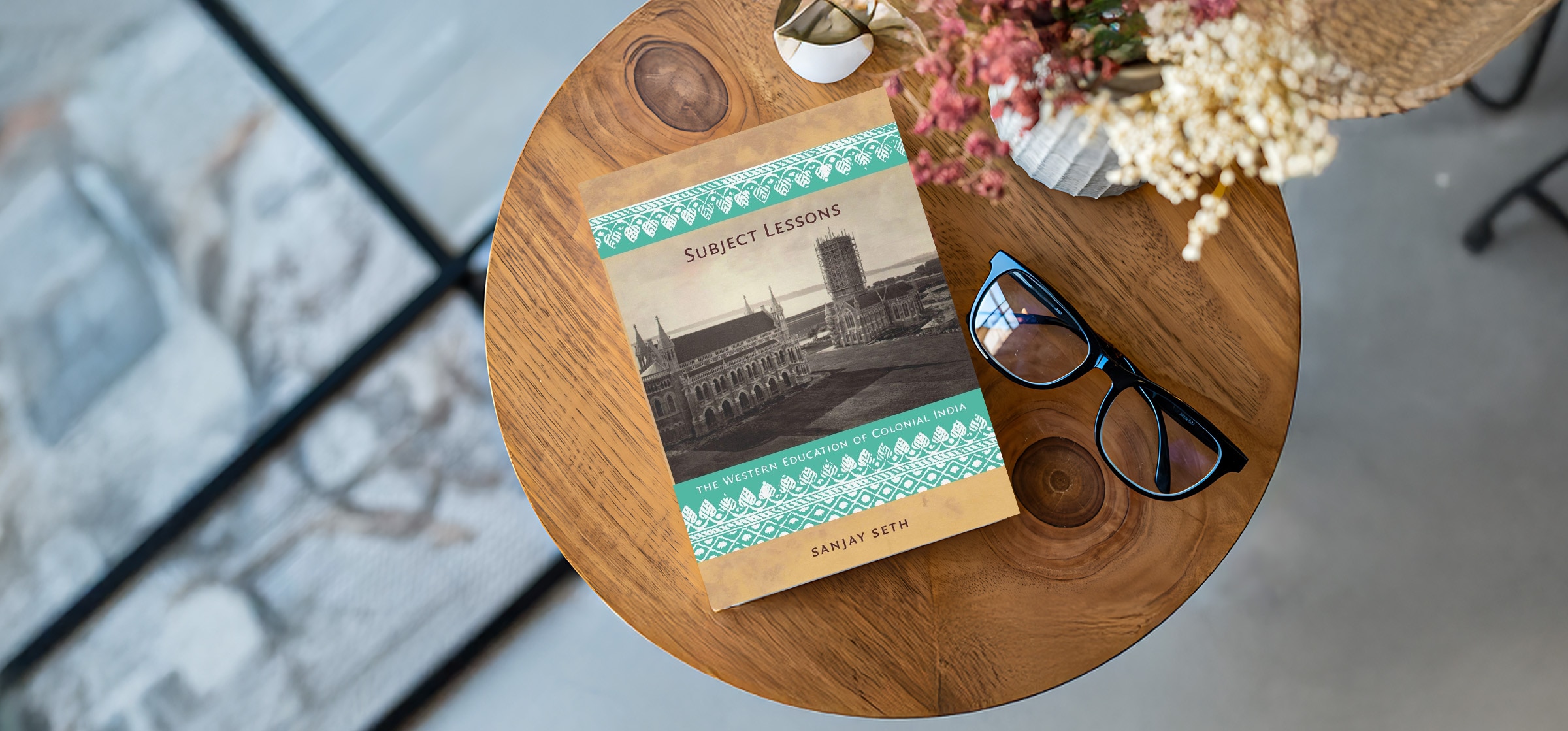
Subject Lessons: The Western Education of Colonial India by Sanjay Seth, Duke University Press
By far the best book I’ve read on this subject—how the British introduced modern Western education in India. Seth shows the incredible intellectual and psychological violence involved in the process—the destruction of a plurality of indigenous ways of thinking and the establishment of the singular path of Western modernity derived from the European Enlightenment.
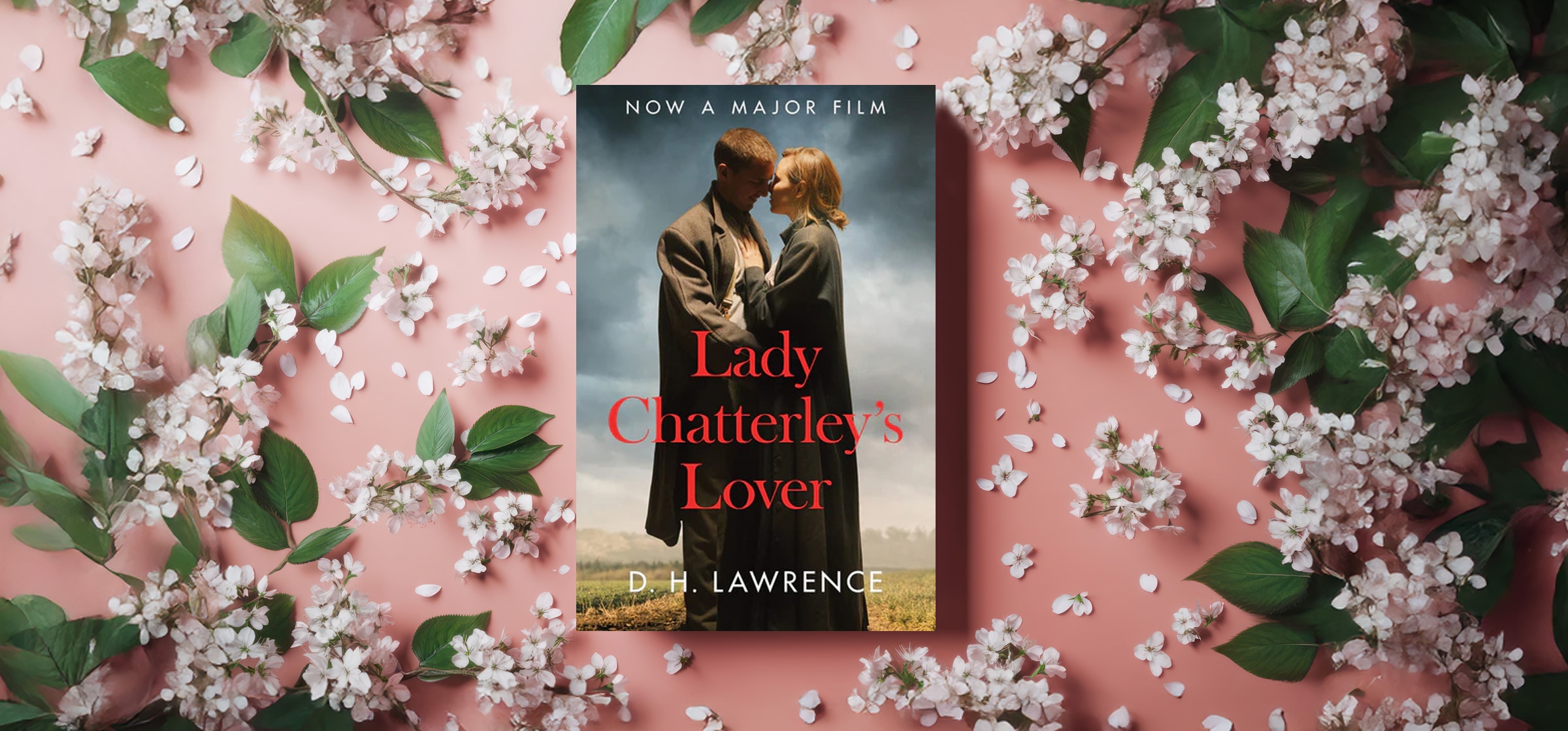
Lady Chatterley’s Lover by D. H. Lawrence, Harper Collins
“Show, don’t tell,” they say, but Lawrence does both with equal beauty and power. He analyzes human emotions and sexuality in essayistic language that feels like fiction. And of course, those unforgettable scenes with Connie Chatterley and the gamekeeper Mellors—sex through bodies, but also as a state of mind.
Jejuri by Arun Kolatkar, RHUS
Whenever I read Jejuri, I feel the palpable process of English becoming Indian—playful, serious and enigmatic at the same time. There is so much poetry in the polytheistic iconography of Hinduism, andonly a mischievous poet like Kolatkar can see it with his unique, irreverent love. All the devotion, faith, greed, poverty and wandering confusion of India’s temples and pilgrimages are here in this poem.

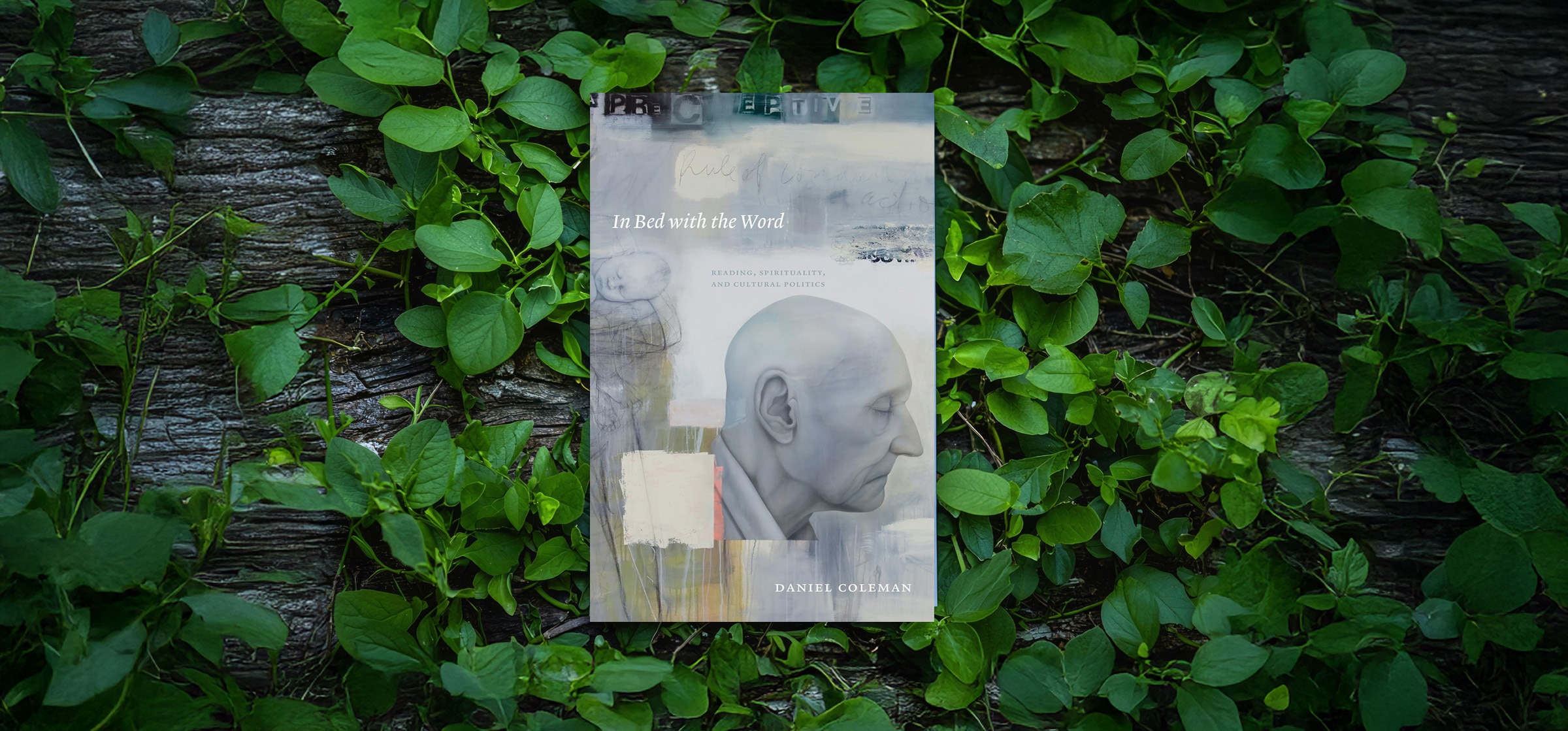
In Bed with the Word: Reading, Spirituality and Cultural Politics by Daniel Coleman, University of Alberta Press
One of the most moving meditations on reading, indeed on a life with books. Meditation is a richly apt word here as the white Canadian writer and scholar, who grew up in Ethiopia with missionary parents, establishes reading as an act of faith, going back to the original process of linguistic interpretation as the pursuit of the mysterious word of God.
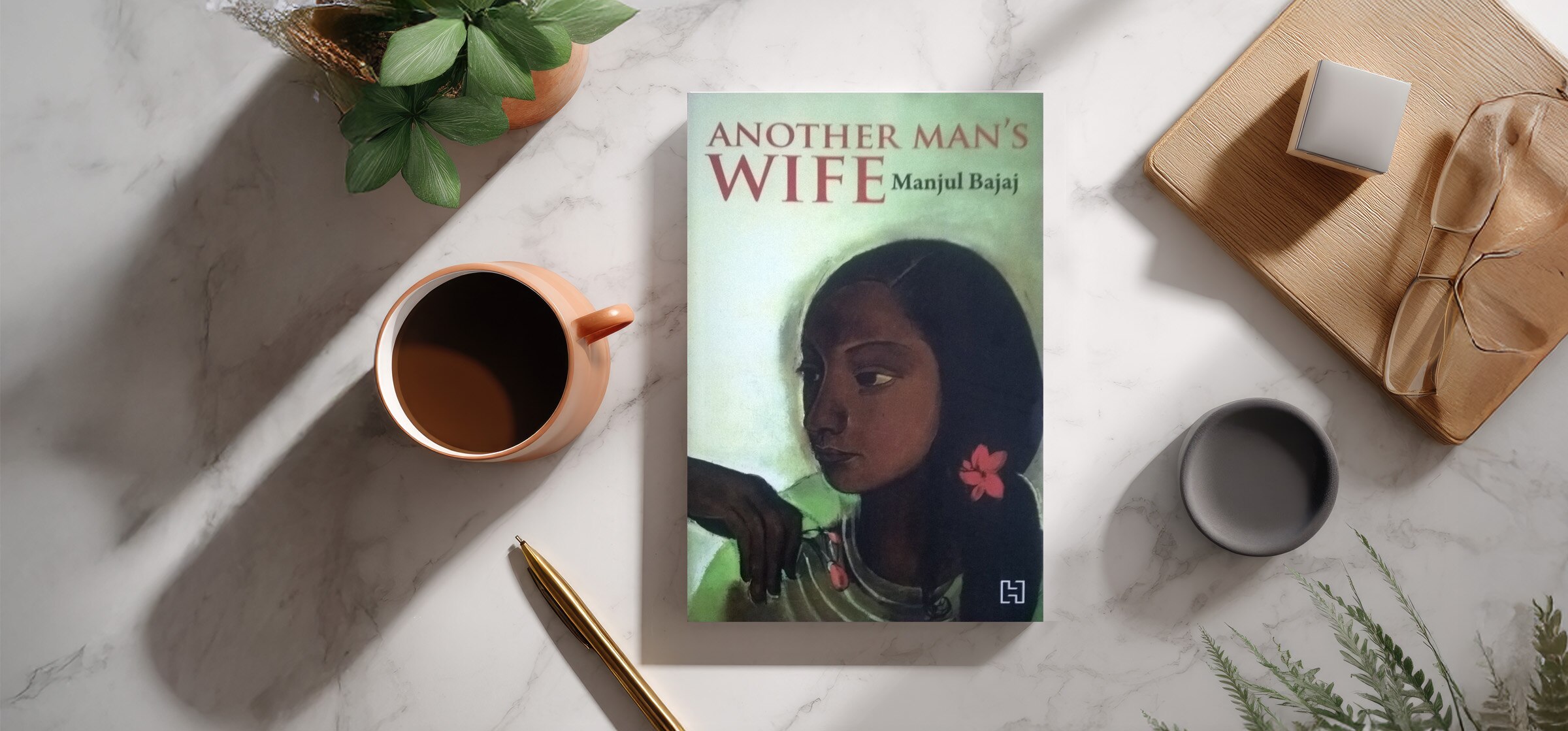
Another Man’s Wife by Manjul Bajaj, Hachette
Transgressive love and desire rarely found such phrasing, syntax and dialogues as with Bajaj’s stories. I’m delighted to have her in the same list as D. H. Lawrence. Like the modernist master, she identifies disruptive desire in provincial and vernacular spaces, often far from the metropolitan location of liberal identity.
For more recommendations like these, click here.