- HOME
- /
- True Stories
- /
- My Story
- /
What a Ticketless Woman on a Mumbai Train Taught Me About Survival
A wordless encounter on a Mumbai local train leaves a lasting imprint that time can’t erase.
 Photo Courtesy: Shutterstock
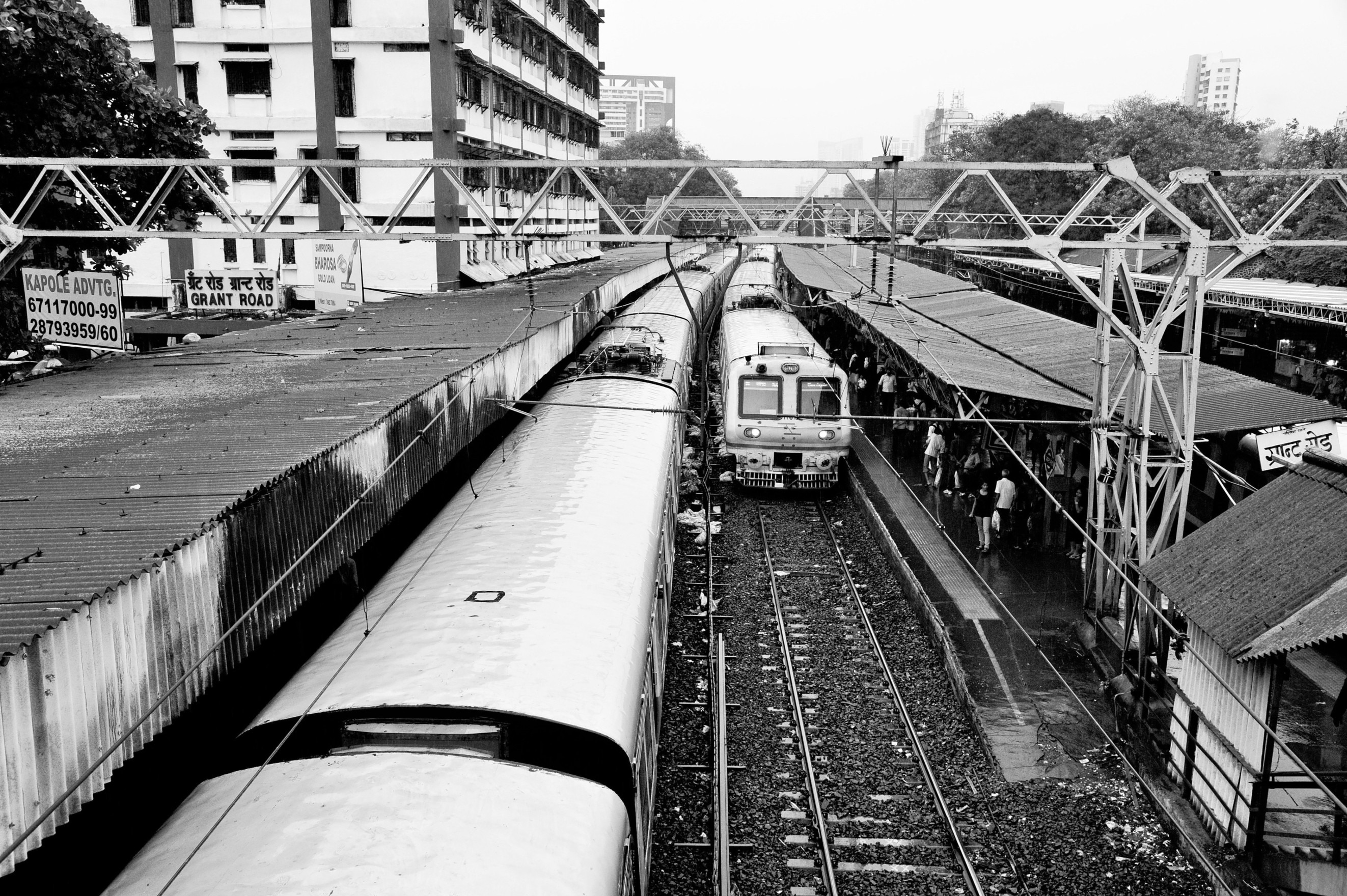
It was the mid-1980s. The sun hadn’t yet reached its peak, but Mumbai’s lifeblood—the local train—pulsed with movement. I was headed to Chinchpokli, squeezed into the ladies’ compartment among women clutching tiffins, textbooks, bags heavy with vegetables, or nothing at all. Each held a story, a destination, a day they hadn’t yet lived.
The train shuddered along the tracks. Across me, women arranged themselves with practised choreography: elbows tucked, bags on laps, eyes distant. It was a ritual—the silent morning procession of the city’s women, enduring the same daily journey without complaint or drama. Then, the order shifted.
A ticket inspector boarded, her shoes striking the floor with the clipped rhythm of authority.
“Tickets,” she ordered.
There was a flutter of motion. Occasional travellers like me reached quickly for our passes—safer to be seen complying. The veterans didn’t flinch. They knew how long they had before trouble reached them. Their tickets emerged slowly, almost theatrically, from blouse folds, purse linings, and shoes. In Mumbai, even your breath is budgeted. You learn what to protect. What to reveal.
One woman didn’t move. She sat across from me—around mid-forties, wrapped in a faded sari, her face turned to the rushing scene outside the window. She didn’t react as the inspector approached, didn’t flinch when the voice grew sharper.
“Ticket. Don’t waste my time.”
Still nothing. No rebellion in her posture. Just weariness. Her silence was a kind of defiance. A kind of quiet shield. It became obvious: she didn’t have a ticket.
The energy in the compartment shifted, pulled tight. The inspector’s frustration narrowed her features. The woman’s hands gripped her cloth bag, knuckles white. She was poor—visibly so. But just then, she didn’t look defeated. She looked immovable.
We were nearing Chinchpokli. I knew what came next. The inspector would drag her off the train. A constable would take over. There would be a fine. Or fists. Or both. She wouldn’t make it home that night. If she had children—and I was sure she did—they’d sit by the door, trying to imagine which kind of absence this was.
My heart beat rapidly. I knew how fragile survival was. One missed fare. That’s all it took.
I swallowed and heard myself speak louder than I expected.
“I’ll pay.”
The inspector turned. “13 rupees,” she said, flatly. “The ticket is two. The rest is the penalty.”
I handed her the money without a word. She snatched it and muttered, “These people always have the money,” before scribbling out the ticket and stepping off.
The woman didn’t look at me. Didn’t nod. Didn’t speak. I didn’t expect her to. Maybe she had the money tucked away. Maybe she didn’t. Maybe she’d saved it for her children’s dinner. That wasn’t mine to question.
What I gave her wasn’t charity. It was time. A delay from danger.

That was nearly 40 years ago. And yet, some memories are folded so tightly into your mind that they ride with you forever.
Fares have increased. Trains groan with more bodies. The uniforms are sharper. But the system—the machinery that turns poverty into crime—hums the same tune.
In India, travelling without a ticket is still an offense under the Railway Act. Thousands are fined or detained every year. For someone living hand-to-mouth, a `250 penalty can pull the floor out from under their entire month.
Women, especially—domestic workers, labourers, mothers on errands—are the most vulnerable. They move through the city’s veins with empty wallets and endless responsibility. Judged not just for being poor, but for being visible.
It’s not just India. In New York, in London—fare evasion is criminalized, while larger thefts wear neckties and get court dates.
What stayed with me wasn’t her silence. It was the system’s. The way it administers punishment with chilling efficiency, yet meets wealth’s transgressions with caution and calm. There are no headlines for the ticketless. No debate panels. No sympathy. If justice were truly blind, I wouldn’t have had to intervene.
But that day, on a rumbling train through a crowded city, it wasn’t. And I did.
Two stops later, I got off.
I turned to watch the train pull away, carrying her forward—a valid ticket now in her hand. Toward her children, her job, or perhaps just a leaking home, safely out of reach of uniformed hands.
A moment is all I could give her. But some moments echo longer than lifetimes.
To read more stories like these, click here