- HOME
- /
- True Stories
- /
- Good News
- /
Good News: Protecting a Gentle Giant, Bots against Drugs, and More
Heartwarming, world-shaking, awe-inspiring and straight up happy making reasons to smile
 Volunteers, known as ‘Friends of Whale Sharks’, with an inflatable effigy of the animal to mark International Whale Shark Day in Veraval, Gujarat. Photo: Courtesy of WildlifeTrust of India
Protecting a Gentle Giant
Wildlife: Instantly recognizable by its constellation-like spots, the whale shark was once hunted extensively for its fins, meat and, most notably, its oil, which was used to waterproof fishing boats. Although the species received the highest level of protection under the Indian Wildlife Protection Act, 1972 in 2001—the same status as tigers and elephants—its fortunes truly began to change thanks to an unlikely champion.
After being sensitized to the whale shark’s plight by the Wildlife Trust of India (WTI), spiritual leader Morari Bapu began speaking about the need to protect the species in his sermons, even likening it to a divine being. His message struck a chord, sparking a major conservation effort led by the Gujarat Forest Department and WTI, with support from Tata Chemicals.
Since 2007, Gujarat has marked 20 November as Whale Shark Day (internationally observed on 30 August), with life-sized effigies paraded through the streets and celebrations honouring those who rescue the animal, affectionately known as ‘vahali’ (‘beloved’ in Gujarati). In 2006, the state government also introduced a compensation scheme to help fisherfolk repair nets damaged while releasing accidentally entangled whale sharks. What began in Gujarat has since inspired conservation efforts in Kerala, Lakshadweep and, recently, in Goa as well.
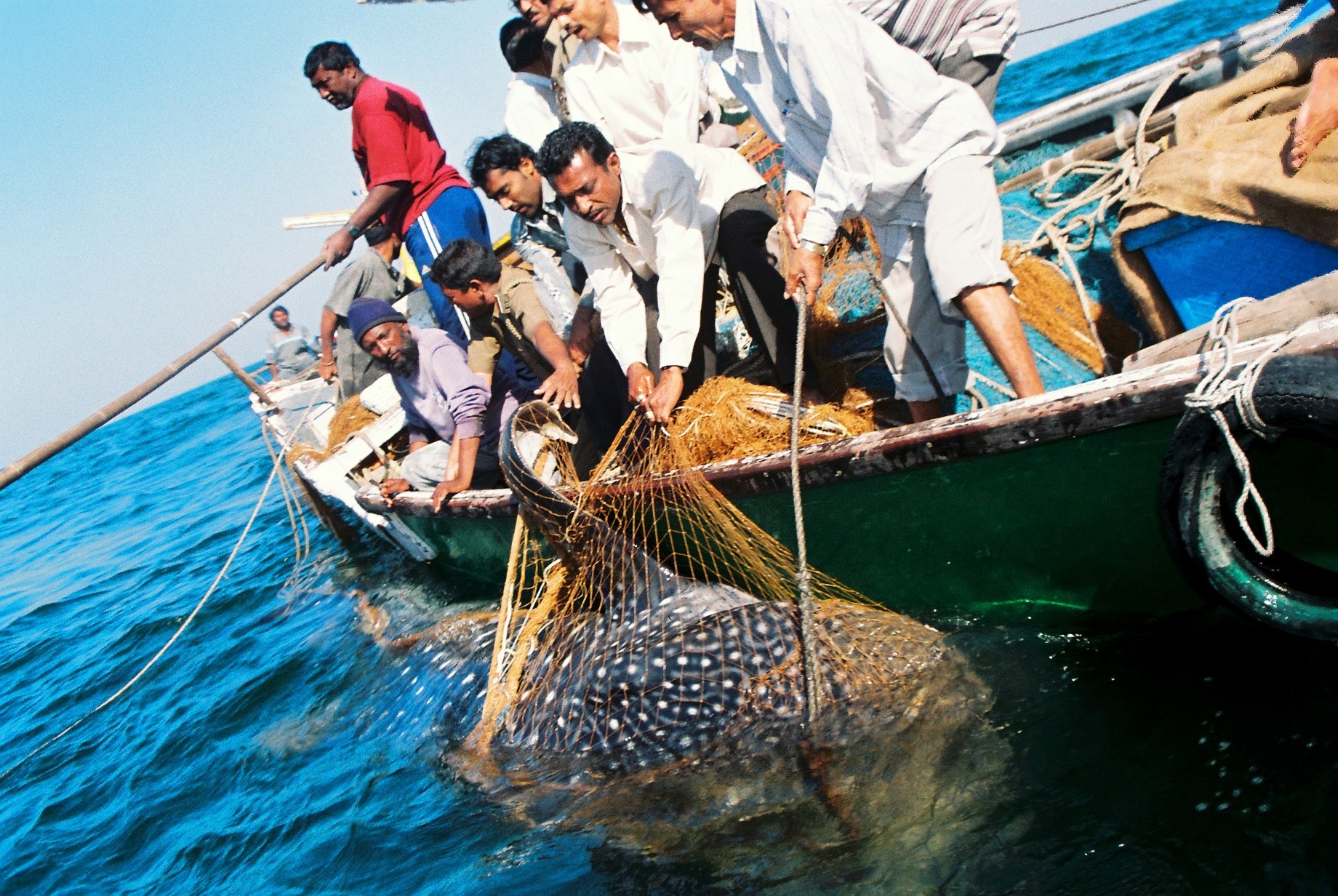 A rescued whale shark being released in Mithapur, Guajrat. Photo: Courtesy of Wildlife Trust of India
Bots Against Drugs
Society: To combat the menace of drugs, an effective new weapon has emerged from the arsenal of the Punjab Police: a WhatsApp chatbot. Since its launch on 28 August 2024, the ‘Safe Punjab’ chatbot (97791-00200) has revolutionized the system for reporting drug peddlers in the state by combining artificial intelligence with verified data pipelines. The portal guarantees the anonymity of informers and also connects those fighting addiction to nasha mukti kendras (rehabilitation centres), offering them support that is non-judgmental and fully confidential. The results have been stunning: As of 31 March 2026, information shared with the bot has led to 14,862 FIRs and 19,207 arrests. A total of 35,996 out of the 38,327 complaints received by the bot have been resolved.
Breaking Taboos
Society: For generations, menstruation has remained one of India’s most persistent taboos, surrounded by myths, restrictions and uncomfortable silences. Determined to change that, Aditi Gupta turned to an unlikely tool: comic books. Growing up in a small town in Jharkhand, she experienced the stigma around menstruation firsthand and wanted future generations to have access to accurate, shame-free information. In 2012, she and her husband Tuhin Paul launched Menstrupedia as a thesis project at the National Institute of Design. Published two years later, the comic quickly won readers with its relatable characters and engaging storytelling. Today, Menstrupedia is available in more than 17 languages and is used by over 37,500 schools and hundreds of NGOs worldwide, helping make conversations about puberty less awkward and far more informed.
A Bustard in the Wild
Environment: After nearly a decade of efforts, the state of Gujarat saw the birth of a Great Indian Bustard (GIB) chick at the Kutch region in March this year. This happened when conservationists transported a fertile egg across a 770-kilometre corridor from Sam in Rajasthan to Naliya in Gujarat, and left it to be nursed in the nest of a wild female GIB. Only three wild GIBs remain in Gujarat, all of which are female. One of them laid an infertile egg in August 2025, which was replaced by the fertile, incubated egg on 22 March this year. It hatched four days later, on 26 March. As per Union Environment Minister Bhupender Yadav, the young chick was found being reared by its foster mother. Fewer than 150 GIBs remain in the wild. This development now signifies a major turning point for the Bustard Recovery Programme, launched in 2016 to boost the numbers of this critically endangered species.
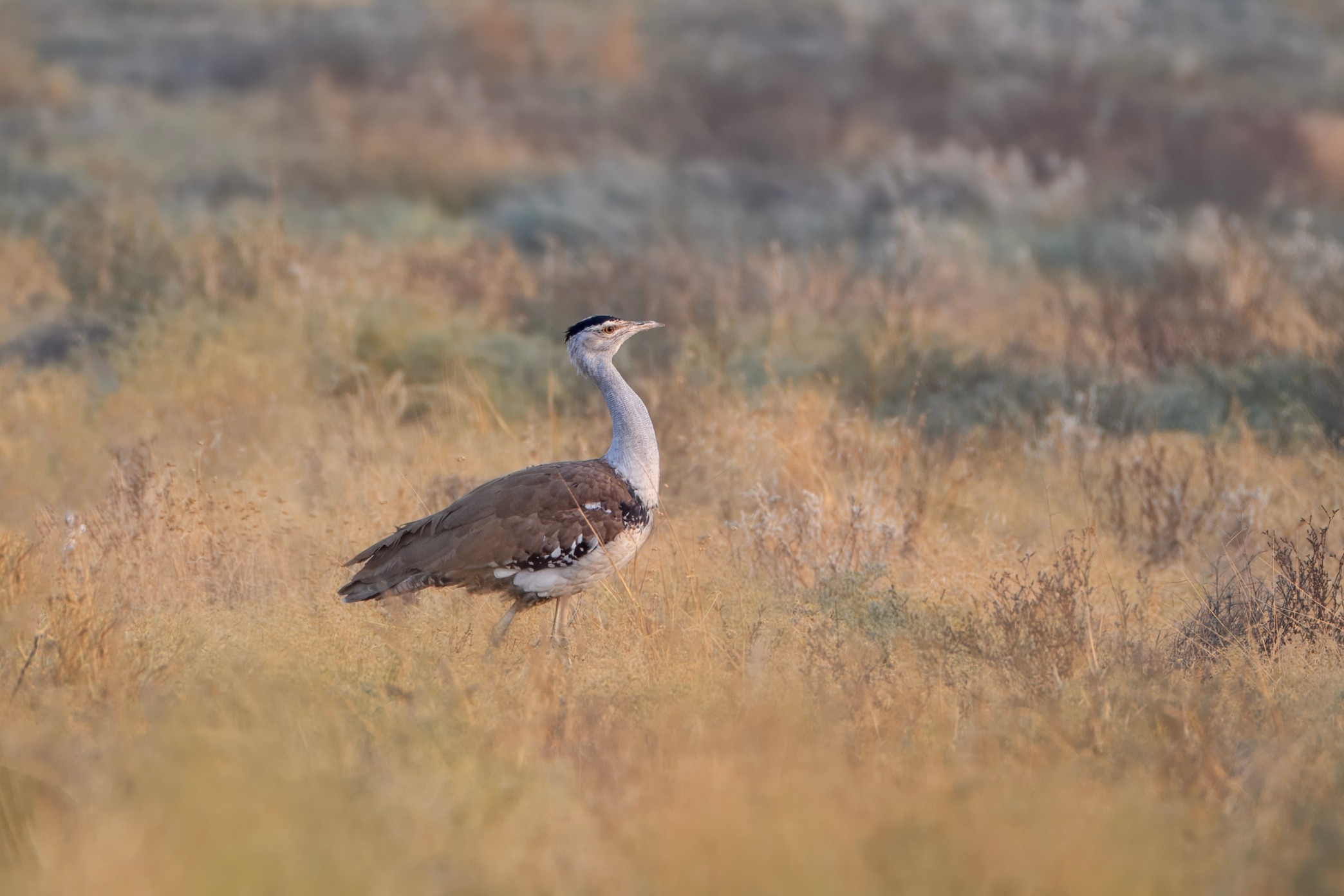 The Great Indian Bustard. Fewer than 150 of them remain in the wild. Photo: Adobe Stock
Solar-Powered Healthcare
Health: It took a public health emergency like the COVID pandemic for many hospitals in the hilly state of Meghalaya to realise that electricity was a limited commodity. In 2023, informed by the lack of reliable power backup solutions and the irregular power grid across the state due to the terrain, the National Health Misson and the Meghalaya government launched the Meghalaya Chief Minister Solar Mission, a ₹500 crore initiative spread over five years that offers up to 50-70 per cent subsidy to set up solar-hybrid systems at hospitals and healthcare centres. In the plan’s first phase, almost 100 health facilities were solarized. Now, it has covered over 530 healthcare centres in Meghalaya, including all sub-centres and Primary Healthcare Centres (PHCs). As a result, with almost round-the-clock electricity in the state, tests are being conducted more smoothly, vaccines are now refrigerated without interruption, and most importantly, treatments and deliveries of babies are being performed without the looming fear of a power outage.
Vigilance on Sand Mining
Environment: Illegal sand mining may happen away from public view, but its impact is far-reaching. It erodes riverbeds, harms biodiversity and has even cost the lives of people who tried to expose illegal operations. While sand is classified as a ‘minor mineral’ and regulated under the Mines and Minerals Act of 1957, licences are issued by state governments, and unlawful extraction remains widespread. Yet the true extent of the problem is hard to measure, as no nationwide estimates exist. To help fill this information gap, Kolkata-based non-profit Veditum India Foundation launched the India Sand Watch app in 2023. The open-data platform acts as a collaborative archive of sand-mining activity, bringing together information from partner organizations, local communities and concerned citizens. Today, the app contains more than 4,000 entries, including mining observations, tender documents, news reports and records of environmental violations—demonstrating how collective vigilance can help bring environmental damage into the spotlight.
Water, Out of Thin Air
Science: What if drinking water could be made from thin air? Aquaer, a company in Seville, Spain, has done just that. Led by 82-year-old engineer Enrique Veiga, it has developed machines that extract moisture from the air and turn it into safe drinking water. Unlike many similar systems, Aquaer’s technology works even in hot, dry conditions. Already deployed in countries like Namibia and Lebanon, it could be a game-changer for water-scarce communities.
For more positive stories like these, click here