Photo Essay: Raghu Rai (1942 to 2026), The Eye that Captured India
He photographed India not as spectacle, but as feeling—its silences, sorrows, rituals, and resilience gathered into frames that taught the nation how to see
 Raghu Rai, at the Jama Masjid, New Delhi. Photo by Manpreet Romana/India Today archives.
There are losses that arrive as personal grief, and there are losses that arrive as the silence that falls when a culture loses its most faithful witness—the eye that saw us most truly. The passing of photographer Raghu Rai (1942–2026) marks the dimming of a gaze that did not merely see India—it felt it, absorbed it, and returned it to us with a rare, unflinching tenderness. For over five decades, Rai’s images formed a vast, emotional archive of the nation—one that moved beyond reportage into something deeper, more enduring: a cultural memory etched in light and shadow.
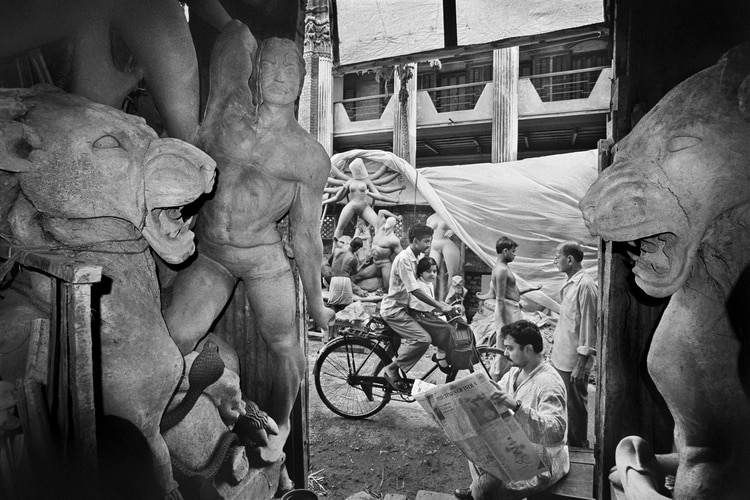 Before Durga Puja, Kolkata 1999. Photo by Raghu Rai
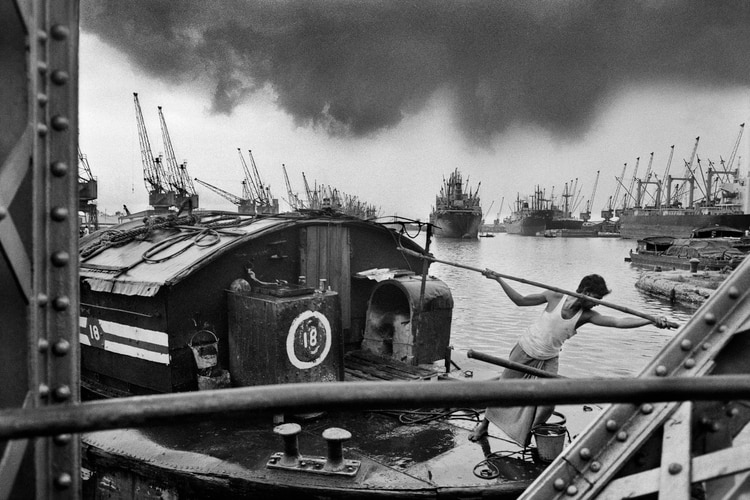 Kolkata Dockyard, 1990. Photo by Raghu Rai
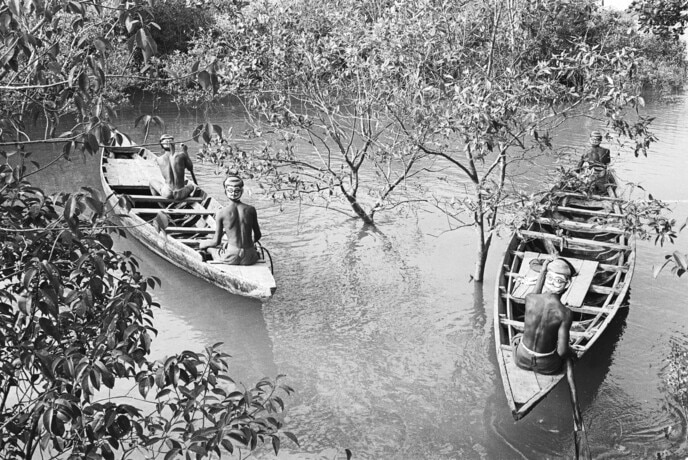 The tiger stalks men who venture deep into the Sundarbans—woodcutters, honey collectors and fishermen—and often makes widows of their wives, the subject of a photofeature by Rai. He also records an antidote: masks worn by fishermen on the backs of their heads to delude the tiger, which thinks it is being watched. Photo by Raghu Rai
There was an instinctive intimacy to his work, whether he was documenting the turbulence of the India-Pakistan War of 1971 or the stillness of the morning light on the Taj Mahal. In the war, his lens captured not just the theatre of conflict, but the human cost—the weary eyes of soldiers, the fragile dignity of refugees, the inner dystopia that follows devastation. In Agra, he transformed the Taj from a monument into a living presence, a longing shrouded in mist, and metaphor—less a structure of marble, more a vessel of memory.
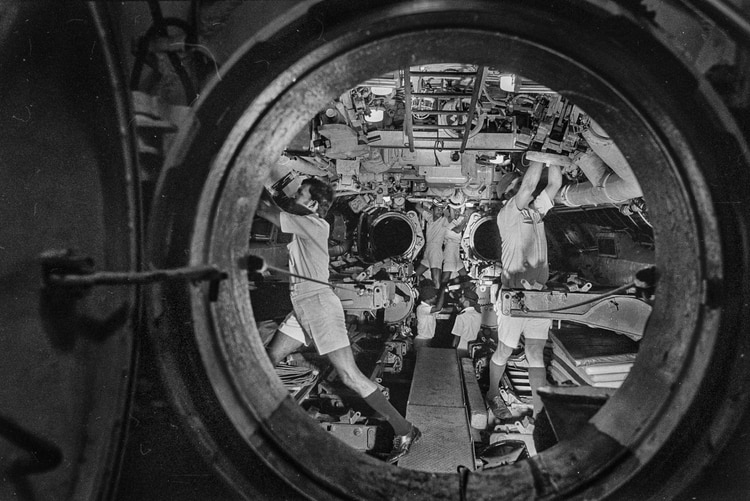 An inside view of the INS Khanderi, one of eight Foxtrot-class submarines that India bought from the Soviet Union between 1967 and 1974. Classified since their procurement, Raghu Rai and India Today senior writer Dilip Bobb were the first civilians allowed onboard an Indian submarine in 1981, to witness a battle manoeuvre. Photo by Raghu Rai
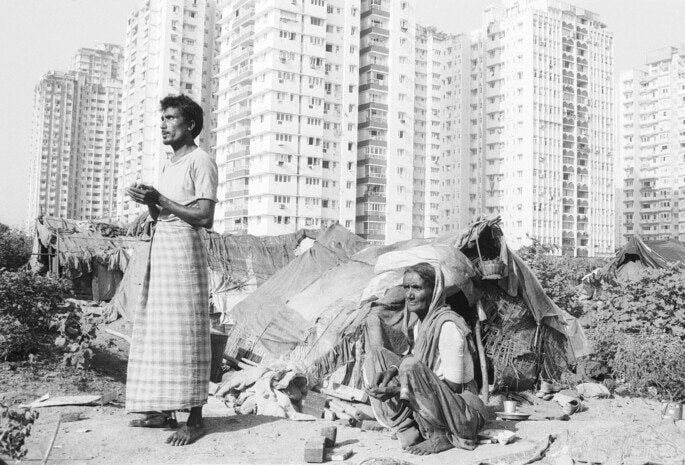 In the 1970s and 80s, Bombay's skyline rose as its pavements filled. In one frame, Rai captured the central contradiction of modern India: the soaring ambition of the nation and the stubborn reality of those left in its wake. Photo by Raghu Rai
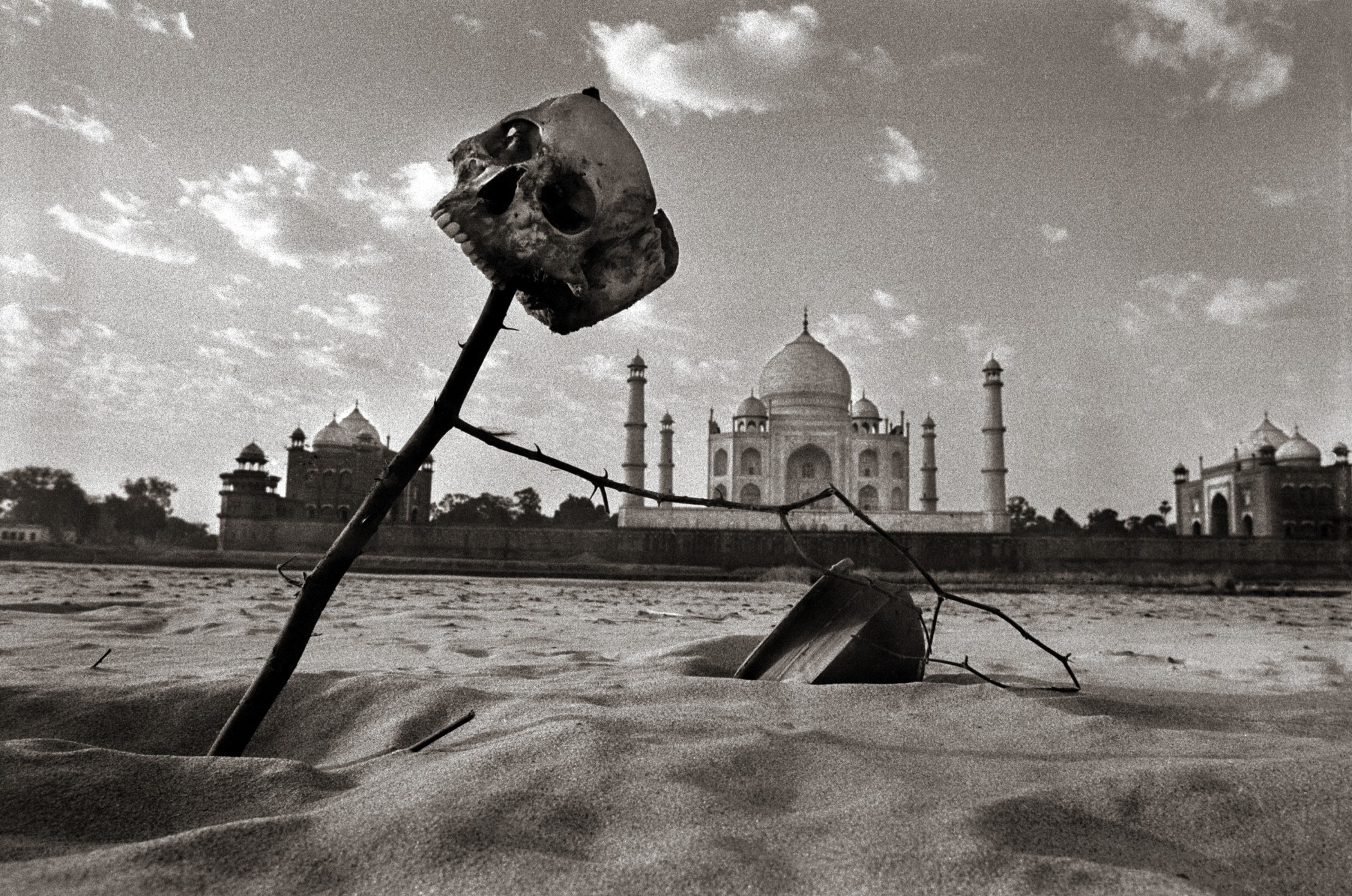 On one of his many revisits to the Taj, Rai captured this image of the famed monument to eternal love from the banks of the Yamuna river, which was, by then dying from unchecked industrial pollution. His choice to foreground the Taj’s defiant perfection with a skull skewered on a branch in the riverbed was his attempt to hold two truths in a single frame: India has always lived on the cusp of what is immortal and what fades; and that beauty, however flawless, cannot save us from ourselves. Photo by Raghu Rai
His long association with India Today helped shape the visual consciousness of a nation coming into its own. His photo features did not simply accompany stories—they were the story. Rai’s images carried the weight of history, politics, spirituality, and everyday life, offering readers not just visual information, but immersion. “India for me is the whole world, an ocean of life” he said. Through his work, the nation was not explained; it was revealed.
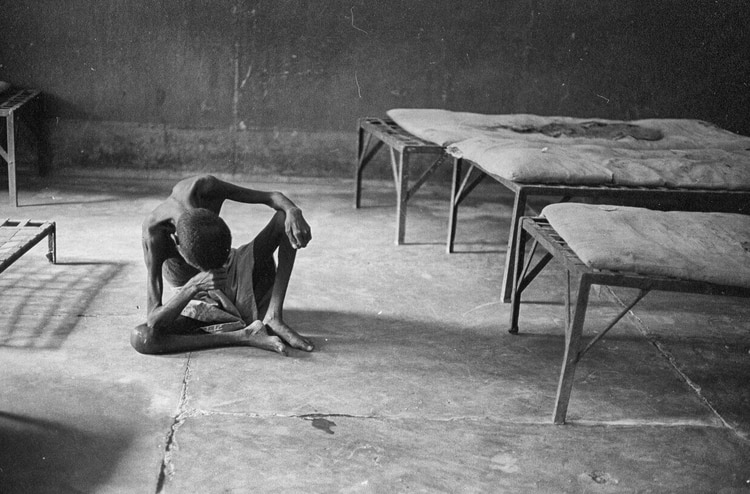 Walking the halls of the Ranchi Mansik Arogyashala, once one of Asia‘s largest mental hospitals, Rai turned his lens on to the condition of its charges—men and women “consigned to oblivion”, victims not only of severe mental conditions but also the obscene institutional apathy and fractured governance that marked post-Emergency India. Each of Rai’s images—full of unflinching tenderness and the insistence that dignity belongs to everyone—did what he always believed photography must do: force the public conscience into witnessing what it had preferred, for too long, to forget. Photo by Raghu Rai
Few photographers have approached their subjects with the reverence and empathy that Rai brought to figures like Mother Teresa. His photographs of her remain among the most profound visual meditations on compassion. Similarly, his portraits of Indian classical musicians—capturing maestros lost in riyaz, fingers suspended mid-note, eyes closed in transcendence—gave aakaar, visual form to the raga itself. He photographed not performance, but surrender.
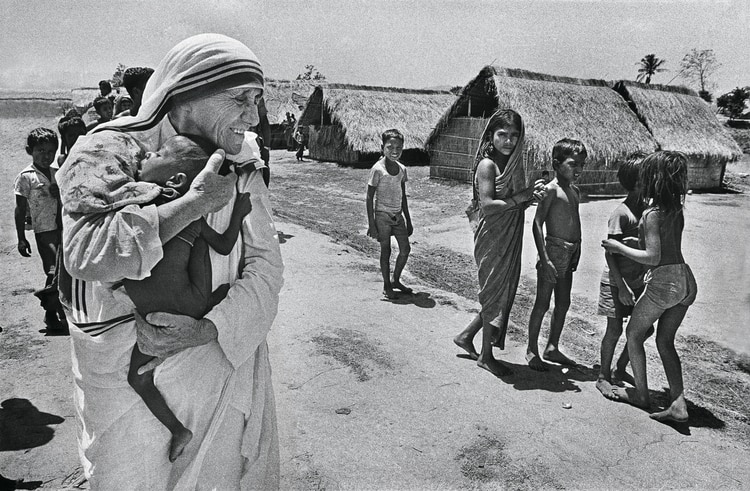 Saint Mother Teresa, clutching an orphan in Nellie, Assam, after the 1983 massacre. Raghu Rai held a deep connection based on mutual affection and respect with the founder of the Missionaries of Charity. Photo by Raghu Rai
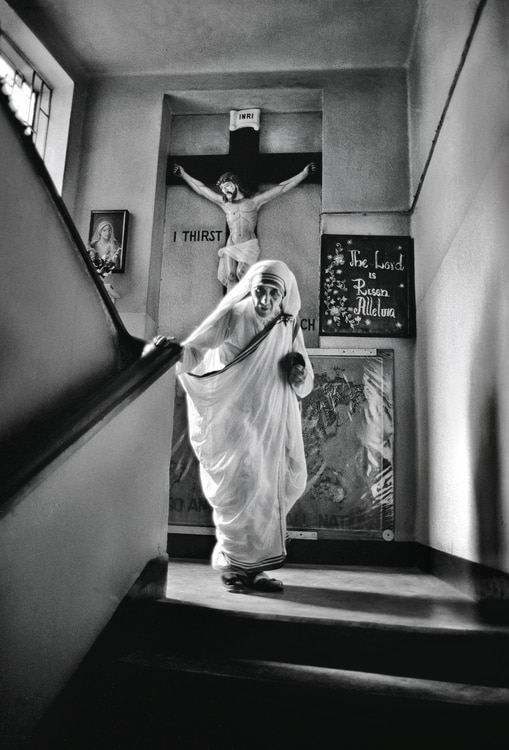 In Kolkata, 1970. Photo by Raghu Rai
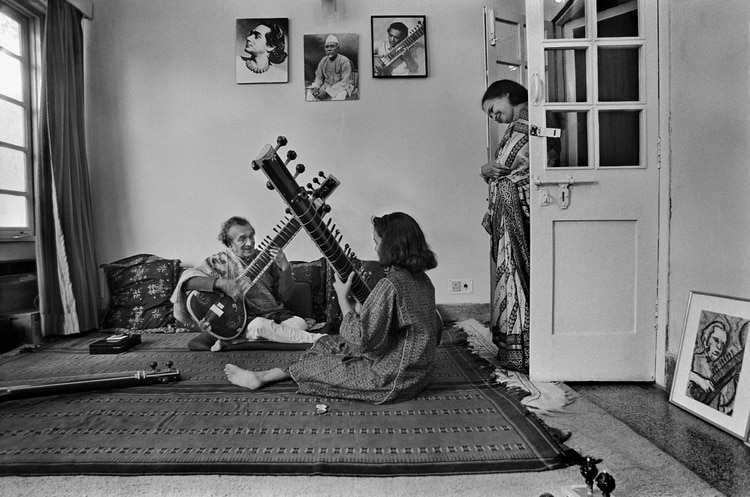 Sitar maestro Pandit Ravi Shankar with his daughter Anoushka, 1988. Photo by Raghu Rai
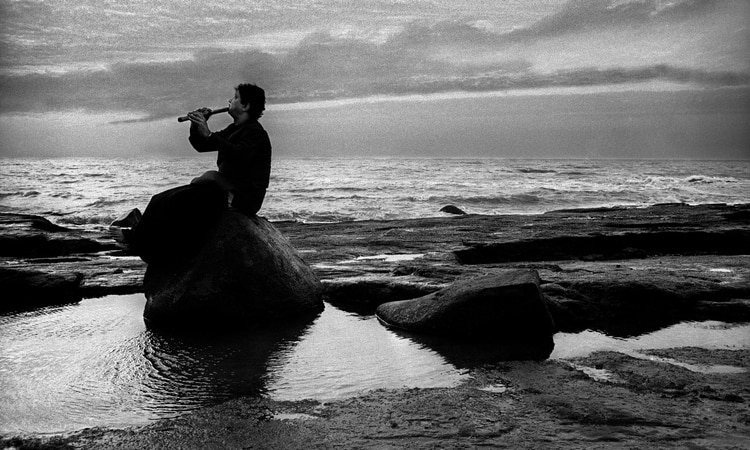 Classical falutist Pandit Hariprasad Chaurasia, in practice, 1988. Photo by Raghu Rai
In Delhi, Rai was more than a photographer; he was a presence—almost elemental in the city’s cultural life. For photography aficionados, his exhibitions were pilgrimages. Generations of young shutterbugs found their bearings in his frames. They learnt not just how to compose an image, but how to see—to wait, to feel, to recognize the extraordinary in the ordinary. To many, he was a guru in a true sense: one who illuminated the path without ever insisting on being followed.
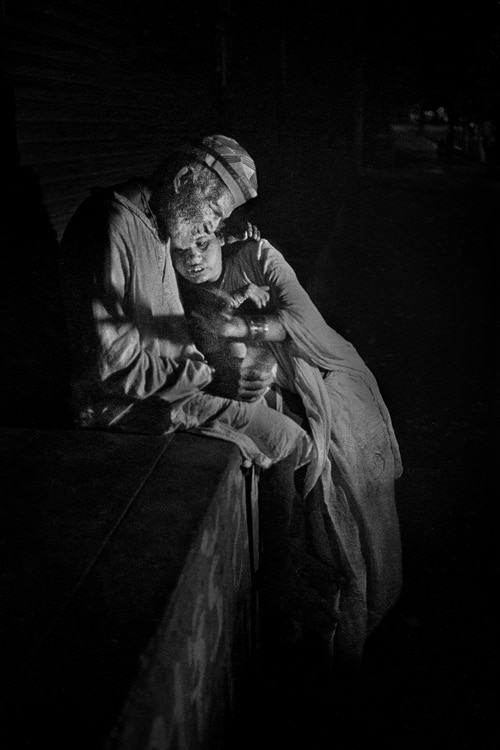 In this photo-series of an unlikely duo on the streets of Baroda—a blind, decrepit 70-year-old beggar and a young homeless woman in her twenties, deaf and mentally challenged—Rai captured the everyday heroism of survival in India. With nothing to their names, not even memories of their past, they still found a way to offer each other care, companionship, comfort. In telling their story, Rai revealed the ordinary miracles occurring in plain sight and yet invisible to millions. Photo by Raghu Rai
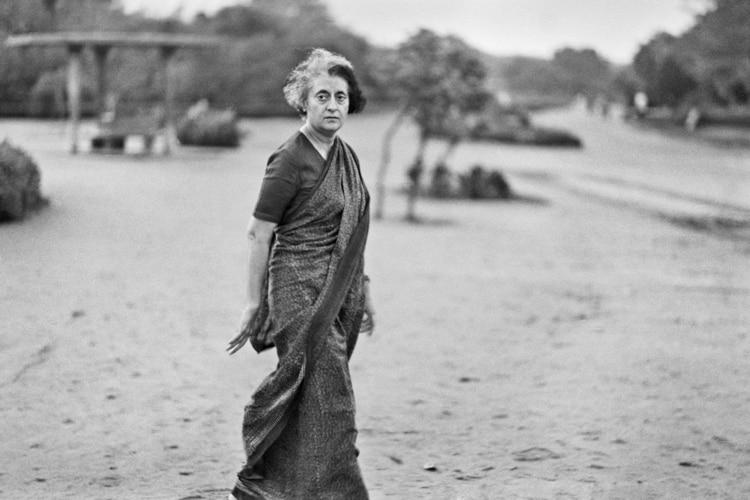 Indira Gandhi, in Delhi, March 1977, just after her resounding defeat at the polls, post 11 years in power. Her reputation in tatters, and her many enemies baying for her prosecution, this striking image captures the defeated leader at her lowest ebb, betraying a rare glimpse of vulnerability—and the resilience that would soon see her return to power. Photo by Raghu Rai
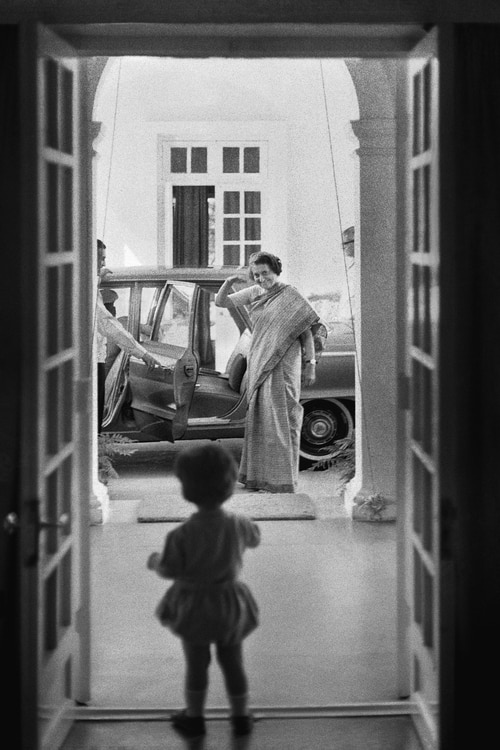 This image of domestic intimacy and happiness from 1972 shows the Indira Gandhi presumably on her way to work from her Safdarjung Road residence, pausing to amuse and encourage her two-year-old grandson Rahul. Photo by Raghu Rai
What also made Raghu Rai singular was not just his technical mastery, but his moral vision. He believed that photography was an act of witnessing—a responsibility to life itself. His images never chased spectacle; they uncovered truth. In crowded streets, sacred rituals, moments of grief or celebration, he found a rhythm that belonged entirely to India, yet resonated universally. And now, as the man recedes into memory, the images remain—quiet, enduring, and luminous. They hang in galleries, rest in books, circulate in the collective imagination. They continue to breathe.
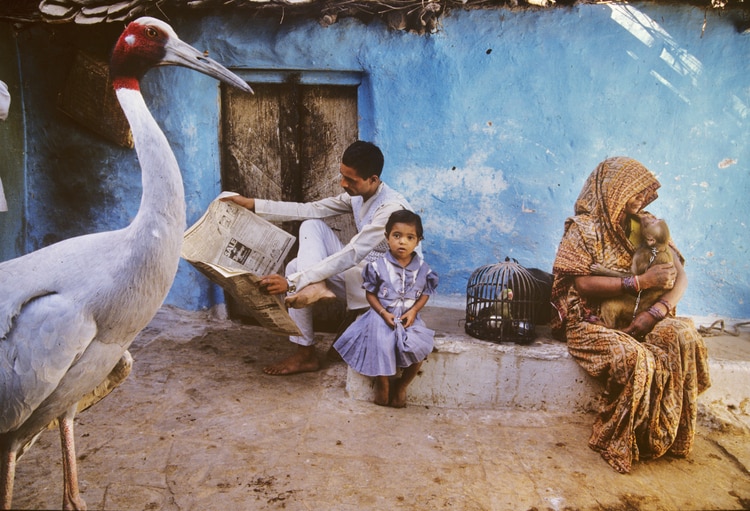 In the story of Kurrkutt, a rescued Sarus crane living with its adopted family in Khajuraho, Madhya Pradesh, Rai found a telling illustration of a deeply Indian instinct—to restore what is broken, to befriend and connect and, in time, dub the ‘other’ one’s own. Photo by Raghu Rai
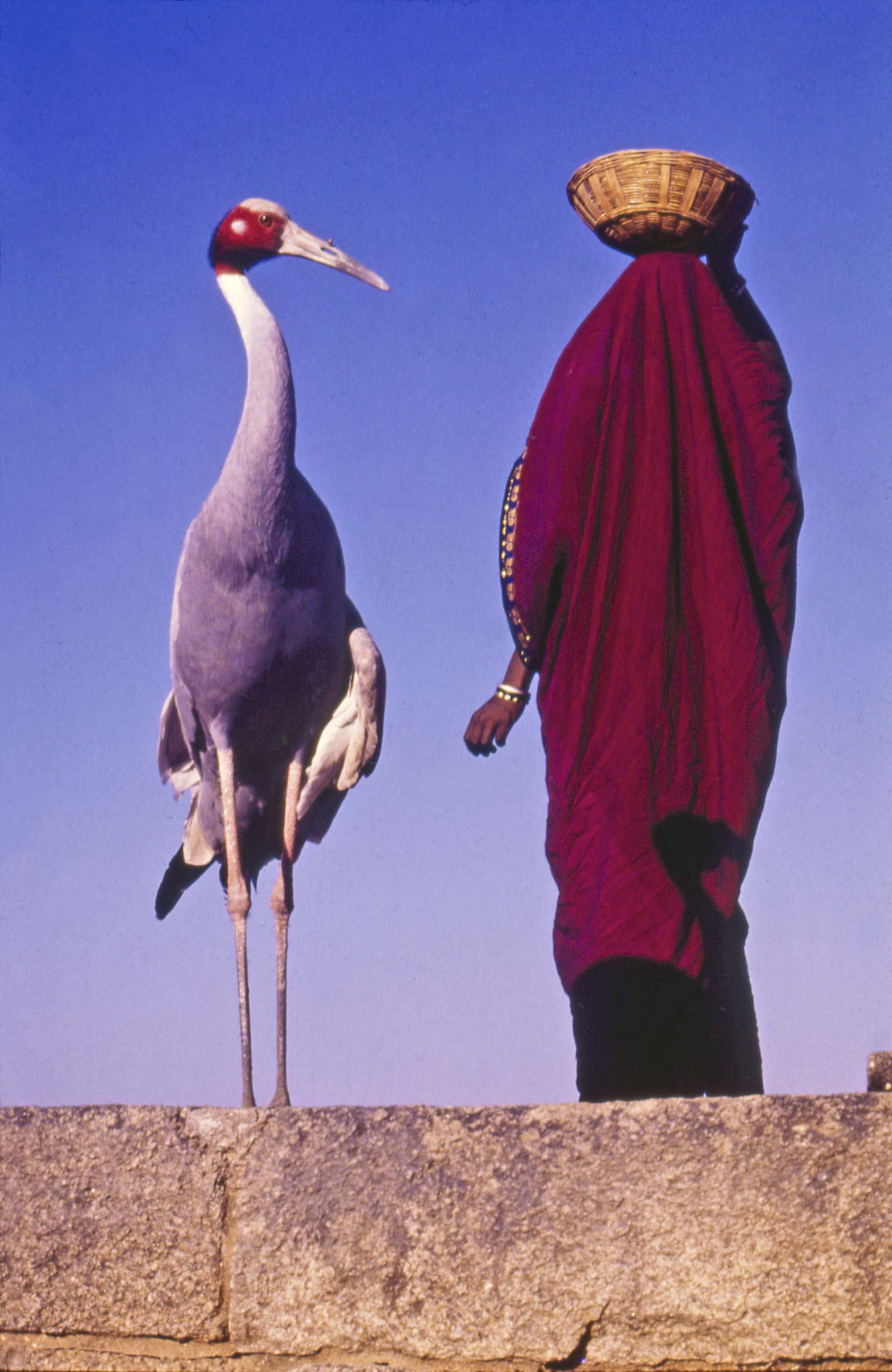 Described as "a crane who defies all crane-like behaviour", Kurrkutt grew into a bonefide member of Khajuraho whose wondrous story moved the country
Raghu Rai did not just photograph India—he gave it a face, a soul, a mirror. And in doing so, he ensured that long after the eye has closed, the vision continues—alive, iconic, and inseparable from the Indian experience itself.