- HOME
- /
- Features
- /
- Cover Story
- /
Make Small Changes, See Big Results
Who needs an overhaul? You can get healthier, happier, more fit, better rested...one little step at a time
 Photo by Emiko Franzen
You don’t have to quit sugar, go vegan or run a marathon to see real change in your health and well-being. Instead, science supports a ‘go small’ approach. Little actions, done consistently, are what create lasting change, says Wendy Wood, PhD, psychologist and author of Good Habits, Bad Habits.
The secret? It’s not willpower. It’s not even goals. “The best way to turn a small change into a powerful habit is not to focus on your motivation, the reasons why you want to do it or your long-term goals,” she says.
Wait, what? Isn’t motivation the whole point of New Year’s resolutions? Aren’t goals supposed to fuel us?
“That is what everyone thinks, but research has shown that making small alterations to the environment, the context in which you perform the behaviour, is far more powerful. Goals aren’t bad; they certainly have a purpose, but ‘motivation’ only lasts for so long,” she says. “Habits need to be two things to stick: easy and enjoyable.”
For example, do you think your goal of getting back into the same size jeans you wore in high school will inspire you to hit the gym every day? Nope. What will? “Choosing a gym that’s close to your house, ideally less than 8 kilometres, was the strongest predictor of gym attendance in our research,” Wood says. “Even better if you are doing an activity you really enjoy or meeting a good friend there.”
The best part: Once these tiny tweaks take root, they compound—better sleep, stronger muscles, calmer moods and a sharper mind. To help you make this shift, we’ve rounded up the simplest, most science-backed microhabits that can transform your physical, emotional and mental health—no guilt, no overwhelm and no kale required (unless you happen to like kale!).
Get a Daily Dose of Nature
Spending time outside—whether in a park, your backyard or near some potted plants that feel wild—has powerful benefits. Studies show that being in nature lowers stress, quiets overthinking and lifts your mood. One 2019 study called it a nature pill and found that even 20 to 30 minutes a day worked wonders. Side effects may include increased joy, accidental mindfulness and smiling at squirrels.
No Coffee After Noon
Those morning cups of joe can last long into the evening. Caffeine has an average half-life of five hours, meaning that about five hours after consuming caffeine, half of it is still in your body. So continuing to drink coffee (or caffeinated tea or soda) into the afternoon or evening can keep you from falling asleep and reduce your total sleep time. Even in the morning, try not to overdo it: A 2025 study found that 400 milligrams of caffeine (about four cups of coffee) consumed as early as 12 hours before bedtime significantly disrupted sleep.
Set a Bedtime Alarm
You set an alarm to wake up, but if you really want to be better rested, set one to remind you to go to bed on time. A bedtime alarm is an easy way to stick to a regular schedule, which helps regulate your body’s internal clock—not only improving sleep quality, but also helping your daytime run more smoothly too, according to a Massachusetts Institute of Technology study.
Pack Your Bag the Night Before
Not a morning person? Not a problem. Each evening, do one thing to set yourself up for success the next day, like prepping your overnight oats, checking your gym bag or packing your lunch. This ‘cognitive off-loading' makes the habit easier to do and has the added bonus of reducing night-time anxiety. Wood swears by this trick for making sure she never misses a workout: “I sometimes sleep in my running clothes, so all I have to do is put on my shoes and I’m out the door for my morning run.”
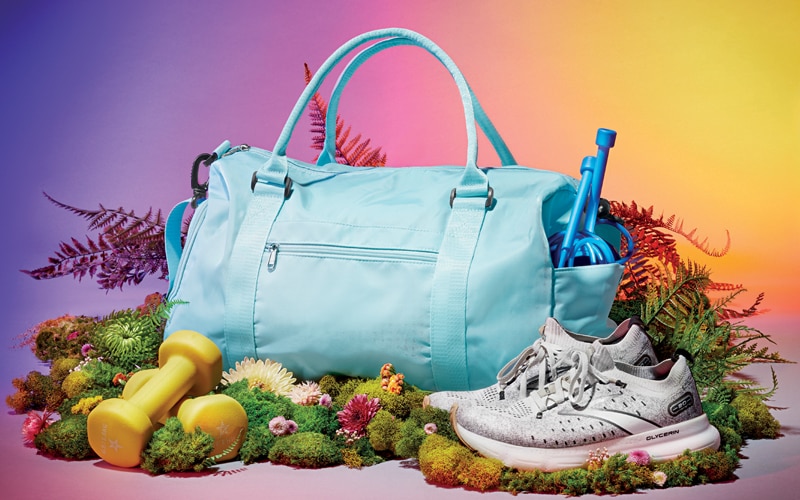 Photo by Emiko Franzen
Cool Down in Bed
Crank the temperature down a couple of degrees before bed, and you’ll get deeper and dreamier sleep. A 2023 systematic review found that folks who slept in cooler rooms got more deep sleep and more REM sleep than those sweating it out in warm rooms—22 to 25 degrees seems to be the sweet spot. Your body naturally lowers its core temp by 1 to 2 degrees when it’s time to snooze, so a chill room helps speed things along. Bonus: Blanket burritos are even cozier when the room is brisk.
Sit Down to Eat
If you’re eating while standing or on the go, your body misses the ‘I’m full’ memo. Sitting down helps you eat more mindfully, tune into hunger cues and avoid overdoing it. A 2021 study found that simply sitting and paying attention while eating led to better portion control and fewer calories. Not to mention that it feels way more civilized than hovering over the sink with a granola bar.
Meditate for a Few Minutes
Just 10 minutes of guided meditation can seriously dial down stress and anxiety, boost your focus, lift your mood, and help you sleep better, according to a study published by the British Journal of Health Psychology. And no, you don’t need to sit on a mountaintop or chant. There are thousands of bite-sized meditations online—just hit play, close your eyes and let someone else do the guiding. If you fall asleep midway? Naps are good for you too!
Add Workout ‘Snacks’
Your body doesn’t care if you squat in the gym or over the toilet; it just wants to move. Incorporating micromovements into your daily routine—like walking while on phone calls, doing squats during work breaks, or flamingoing on one foot while waiting in line—can add up to a real workout (no gym clothes required). A 2025 study found that these mini movement bursts, sometimes called Snacktivity, provide real improvements in fitness and metabolism.
 Photo by Emiko Franzen
Go Barefoot at Home
Kicking off your shoes at home isn’t just comfy, it’s strength training for your feet. Walking barefoot strengthens the tiny stabilizer muscles in your feet, boosts your balance, reduces overuse injuries to joints and wakes up the sensory receptors that help you move like a ninja (or at least avoid stubbing your toe). A 2022 study found that barefoot walking indoors reduced the risk of falls, especially for older adults. If you prefer to wear footwear, try ‘minimalist’ ones, which are designed to mimic the experience of being barefoot.
Wear Socks to Bed
Turns out, cozy feet are kind of a big deal. One study found that people in socks fell asleep 71/2 minutes faster and slept 32 minutes longer.
Switch to a Standing Desk
Sitting all day is so bad for you that some experts are calling it the new smoking—but don’t ditch your desk job just yet. Alternating between sitting and standing during the day helps ease neck and shoulder pain and improves posture. A 2021 study found that people who used standing desks not only had fewer aches and more energy but also were more productive overall.
Follow the 60/60 Rule for Music
Love your playlists? Your ears do too—just not at full blast for hours. The 60/60 rule is simple: Keep the volume under 60 per cent and listen for no more than 60 minutes at a time. A 2025 study found that going over that limit significantly raised the risk of hearing damage, especially in higher frequencies—the ones that help you hear conversations.
 Photo by Emiko Franzen
Kegel at Stoplights
Red light? Time to flex. Kegel exercises are simple pelvic floor exercises where you squeeze the muscles you’d use to stop the flow of urine. Just contract, hold for a few seconds, then release—no equipment needed, and no one’s the wiser. Regular practice can improve bladder control, reduce leaks (good riddance, sneeze pees) and even level up your sex life. A literature review found that men and women who did Kegels consistently had stronger pelvic muscles and fewer symptoms of urinary incontinence. The exercises also help with posture and core strength.
Get Fibre at Every Meal
Fibre is your digestive system’s BFF. Hitting at least 20 grams a day keeps things moving, tames blood sugar spikes and feeds the good bugs in your gut, according to a literature review. Soluble fibre (think beans and avocado) slows digestion and helps with blood sugar control. Insoluble fibre (hello, berries and chia seeds) keeps everything...flowing. Your colon will thank you. Repeatedly.
Take a Walk after Dinner
Instead of reaching for that cookie, head outside for a quick walk. Just two to 10 minutes of light movement after dinner can boost digestion, improve blood sugar control and even support weight loss. A 2022 study found that even a short post-meal stroll helps lower blood glucose and enhances insulin sensitivity, especially if you do it within 30 minutes of eating.
Banish Screens from the Bedroom
Phones, tablets and TVs emit blue light, which messes with melatonin (your body’s natural sleep hormone) and makes it harder to fall asleep. A 2024 study found that kids with screen-free bedrooms fell asleep earlier and woke up less during the night—and yes, the same biology applies to adults. Bonus: Keeping your phone out of the bedroom also stops that first-thing-in-the-morning scroll spiral that can tank your mood and hijack your day before your feet touch the floor.
Make your Phone Boring
Want to spend less time glued to your phone? Make it ugly. Switching your screen to grey scale strips away the shiny, colourful dopamine traps (looking at you, red notification dots), making your phone less tempting. A 2023 study found that people in gray-scale mode used their phones less and focused better—because let’s be honest, Instagram just doesn’t hit the same in black and white. Want to double down? Set app time limits so you can’t doomscroll.
Eat with Chopsticks on Small Plates
Changing your meal setup can make eating less second nature, Wood says. Two research-proven ways to do this: Grab some chopsticks and downsize your dishes. Chopsticks naturally slow your eating pace, allowing you to tell when you’re full. Shrinking your plate helps you serve (and eat) less without noticing. Both tricks help you slow down, eat more mindfully and cut calories—without feeling as if you’re trying.
Switch your Toothbrushing Hand
Brushing with your non-dominant hand might feel weird, but it’s a brain-boosting move. A 2023 study found that doing simple tasks in new ways activates fresh neural pathways, improves coordination and builds cognitive flexibility. Think of it as a mini workout for your brain, just with minty foam.
Give Someone a Big Hug
We’re wired for connection, and nothing says “I’ve got you” like a good, long hug. And while a quick squeeze is sweet, holding it for 20 seconds unlocks all the physical and mental benefits. Holding someone close for that long boosts oxytocin (the love hormone) and drops cortisol (the stress one). It’s basically a natural mood stabilizer—with bonus benefits like deeper connection, lower blood pressure, and warm-and-fuzzy feelings that last longer than your group chat high-five emoji.
Keep a Gratitude Journal
Each night, write down three things you’re grateful for. This Three Good Things habit, as it’s known, has been shown to increase happiness, lower stress and even ease symptoms of depression a bit, according to a 2020 meta-analysis, although the authors emphasize that those experiencing depression or anxiety should seek other interventions as well. Practicing gratitude helps your brain shift from focusing on the negative to recognizing all the good things happening in your world.
 Photo by Emiko Franzen
Just as compound interest grows wealth over time, small, consistent habits can lead to significant health improvements, Wood says. Start now by choosing one or two of these microhabits that resonate with you. Once you feel confident with these, ‘stack’ similar habits for even greater benefits. “Instead of trying to change everything or forcing yourself to do something you hate, focus on How can I make it easy to do and how can I make it enjoyable?” Wood says. “That’s how you transform your life, one small change at a time.”