- HOME
- /
- Culturescape
- /
- Entertainment
- /
RD Recommends: Project Hail Mary, Batwara 1947 and More
Our picks for the best films, books, music and podcasts from August 2026

From long awaited returns to buzzy new releases, the entertainment world is overflowing—in the best way. Your watchlist is growing, your TBR pile is teetering, and there's more to choose from than ever. Consider this quick, curated guide to what's worth your time right now.

Project Hail Mary
Streaming on Amazon Prime Video
Starring: Ryan Gosling, Sandra Hüller, James Ortiz and Lionel Boyce
Directed by: Phil Lord and Christopher Miller
Written by: Drew Goddard, based on the novel Project Hail Mary by Andy Weir
Music by: Daniel Pemberton

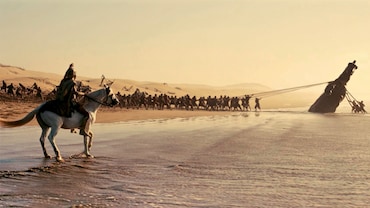
Indian audiences may not instantly recall the director-producer duo Phil Lord and Christopher Miller by name, but the pair is responsible for some of the funniest, most earnest work to come out of Hollywood in recent times, including Across the Spider-Verse, Cloudy With a Chance of Meatballs and the pilot episode of the comedy series Brooklyn Nine-Nine. Their latest, Project Hail Mary, is objectively one of the best films of the year because of its ambition, craftsmanship and propensity for risk-taking. Ryan Gosling plays Ryland Grace, a scientist and high-school teacher who wakes up aboard a spaceship called Hail Mary, with no memory of how he got there or what his mission was. Slowly, Grace puts the pieces together and realizes that humanity’s future may very well depend on the success or failure of his interrupted experiment.
Batwara 1947
Directed by: Rajkumar Santoshi
Written by: Rajkumar Santoshi and Asghar Wajahat, based on the play Jis Lahore Nai Vekhya, O Jamya E Nai by Asghar Wajahat
Starring: Sunny Deol, Shabana Azmi, Preity Zinta, Karan Deol and Ali Fazal
Produced by: Aamir Khan, Aparna Purohit
Music: A. R. Rahman
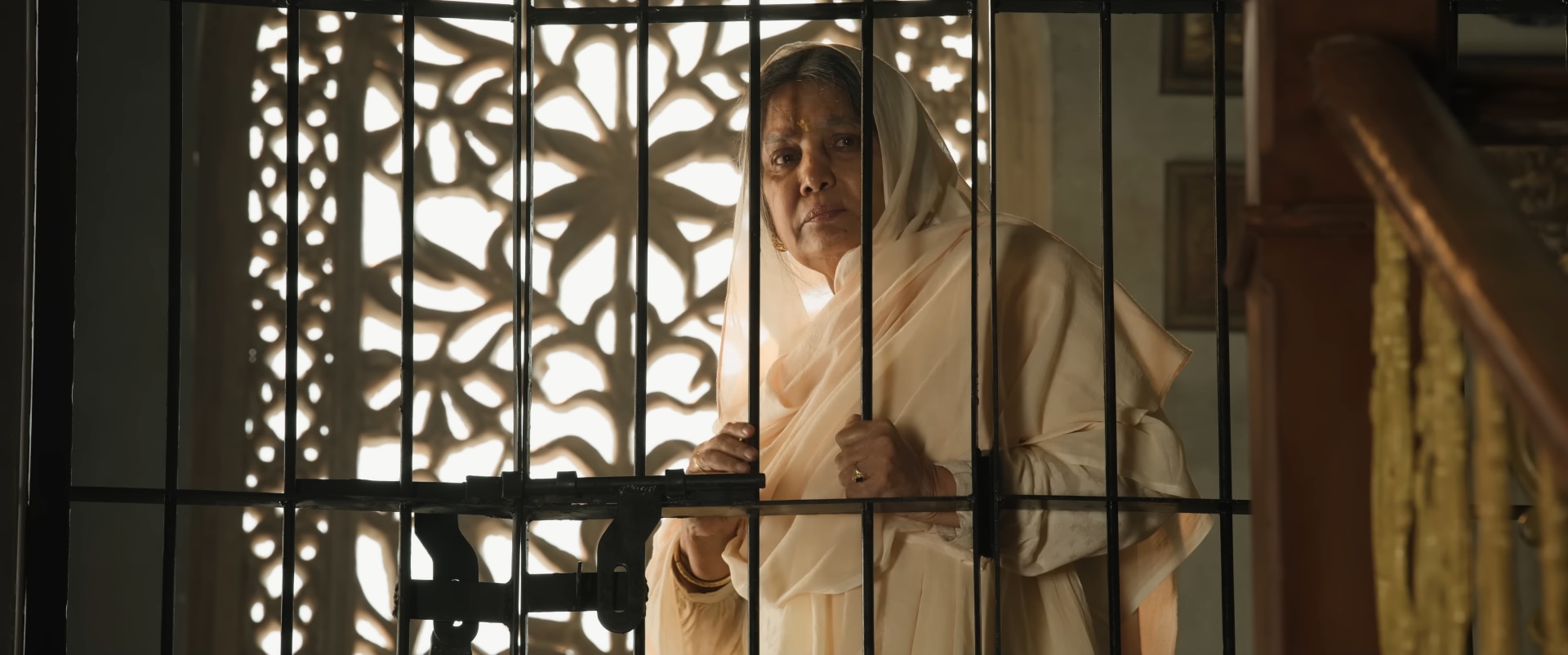
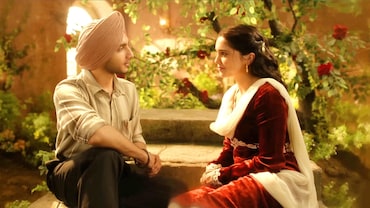
Rajkumar Santoshi, the director behind Hindi film classics like Damini and Andaz Apna Apna, returns with Batwara 1947, an ambitious Partition drama based on the classic Hindi play Jis Lahore Nai Vekhya O Jamya E Nahi (‘He Who Hasn't Seen Lahore Hasn't Truly Lived’) by Asghar Wajahat. The story follows Sikander Mirza (Sunny Deol) and his wife Hamida (Preity Zinta), as their family is expelled from their Lucknow home following the Partition. Upon arriving in Lahore and being allotted a haveli, they find Mai (Shabana Azmi), the Hindu matriarch of the previous family, still living there, stubbornly refusing to leave. Despite societal pressure and violent threats from religious fundamentalists, the Mirzas begin to see Mai as part of their family. Though released to lukewarm critical and commercial success, the film is a compelling addition to a new crop of films like Mai Vaapas Aaunga, which are devoted to examining communal politics and the universality of human suffering against the backdrop of the Partition.
A Useful Ghost
Written and Directed by: Ratchapoom Boonbunchachoke
Starring: Davika Hoorne, Witsarut Himmarat, Apasiri Nitibhon
Streaming on MUBI India

A film whose outrageous plot cleverly masks its deadly-serious concerns, A Useful Ghost is a supernatural political satire from Thailand, informed by the country’s turbulent recent history. Davika Hoorne stars as Nan, a recently-deceased woman who becomes a ghost and starts to haunt her husband’s vacuum cleaner; even in the afterlife she wishes to be by his side. After a surrealist series of events, Nan ends up meeting the Prime Minister and agrees to assist him in a nefarious plan—to mass-exorcise the many ghosts of protesters murdered by the Thai military in 2010, a few years before the country underwent a full-fledged coup. Can a traumatized country move on by simply burying its ghosts, the spillovers from its sordid past? A Useful Ghost knows the answer is a resounding ‘no’ but chooses to obey the ‘show, don’t tell’ narrative principle across its runtime, with spectacular results.

The First House by Avni Doshi, HarperCollins India
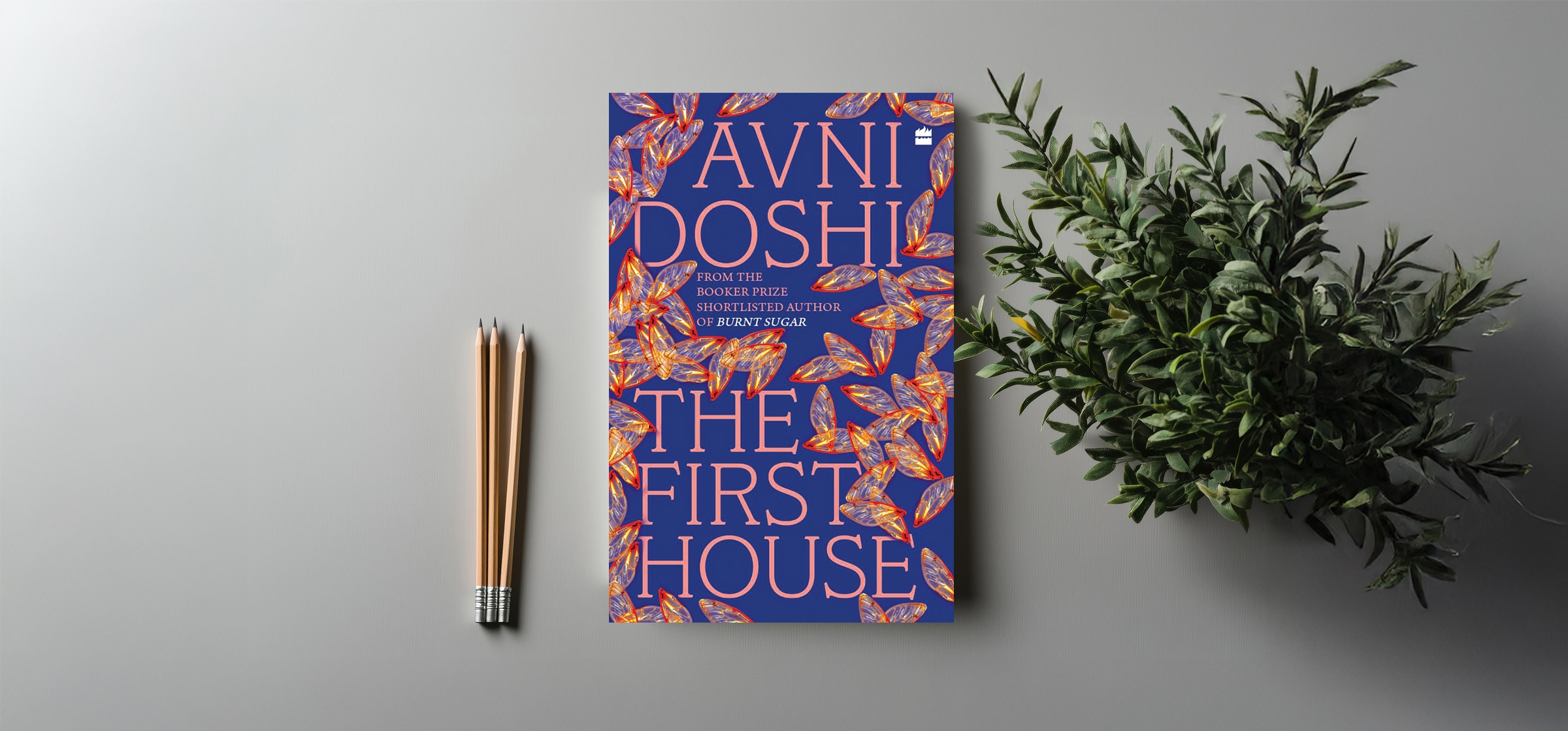
Avni Doshi’s new novel The First House begins with the unnamed protagonist’s husband abruptly walking out on their marriage and their two daughters. “My head is missing. My husband has cut it off surreptitiously.” The decapitation metaphor sets the tone for this erudite, atmospheric novel as the protagonist begins to reassess everything she thought she knew about her marriage. A trained art historian, Doshi used to be a professional curator in Delhi and elsewhere. The novel makes excellent use of art and mythology, as Diana, Apollo, Chinnamasta et al. are brilliantly used to depict a hitherto complacent mind in churn. Doshi’s debut novel Girl in White Cotton was shortlisted for the Booker Prize in 2020, and it’s not a stretch to see this novel emulating its predecessor.
The Man Who Made Plants Write Essays by Jagadish Chandra Bose, HarperCollins India
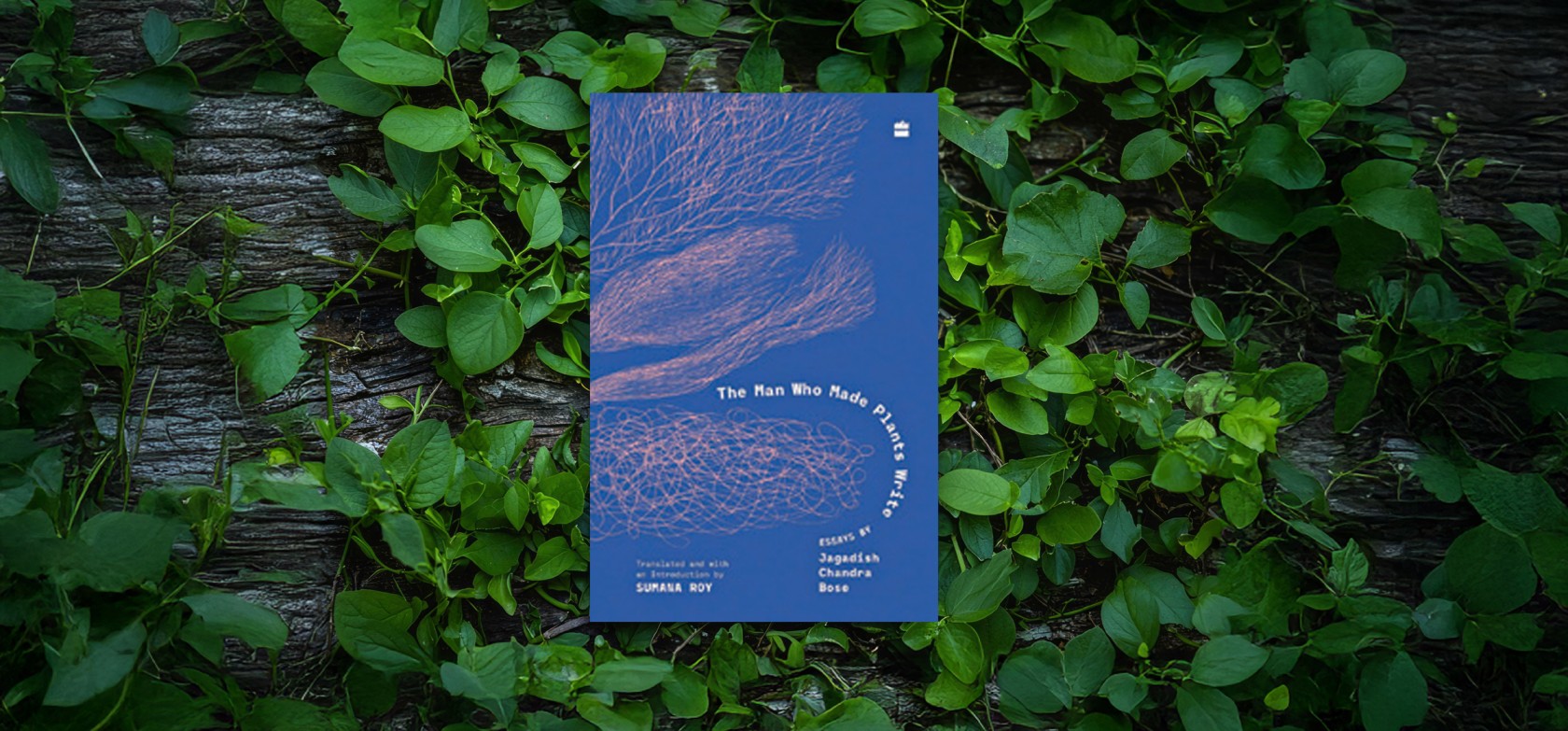
The term ‘polymath’ is bandied about far too liberally in the current Internet era. However, the scientist Jagadish Chandra Bose (1858–1937) was a towering intellect, with genuine expertise in several realms of life. Best known in the West for his contributions to radio microwave optics and botany, Bose was also a pioneer of Bengali science fiction and nature writing. According to him, plants and trees had an “unvoiced life”, that their communication with their immediate surroundings could be measured with a crescograph. In this collection of essays (called Abyakta or the ‘unsaid’ in the Bangla original), Bose argues for a deeper exploration of the sentience of plant life, urging us to listen to the "airborne sounds" and the “endless music sung everywhere.”
Good News, Bad News: A Life in Television by Maya Sharma, Westland
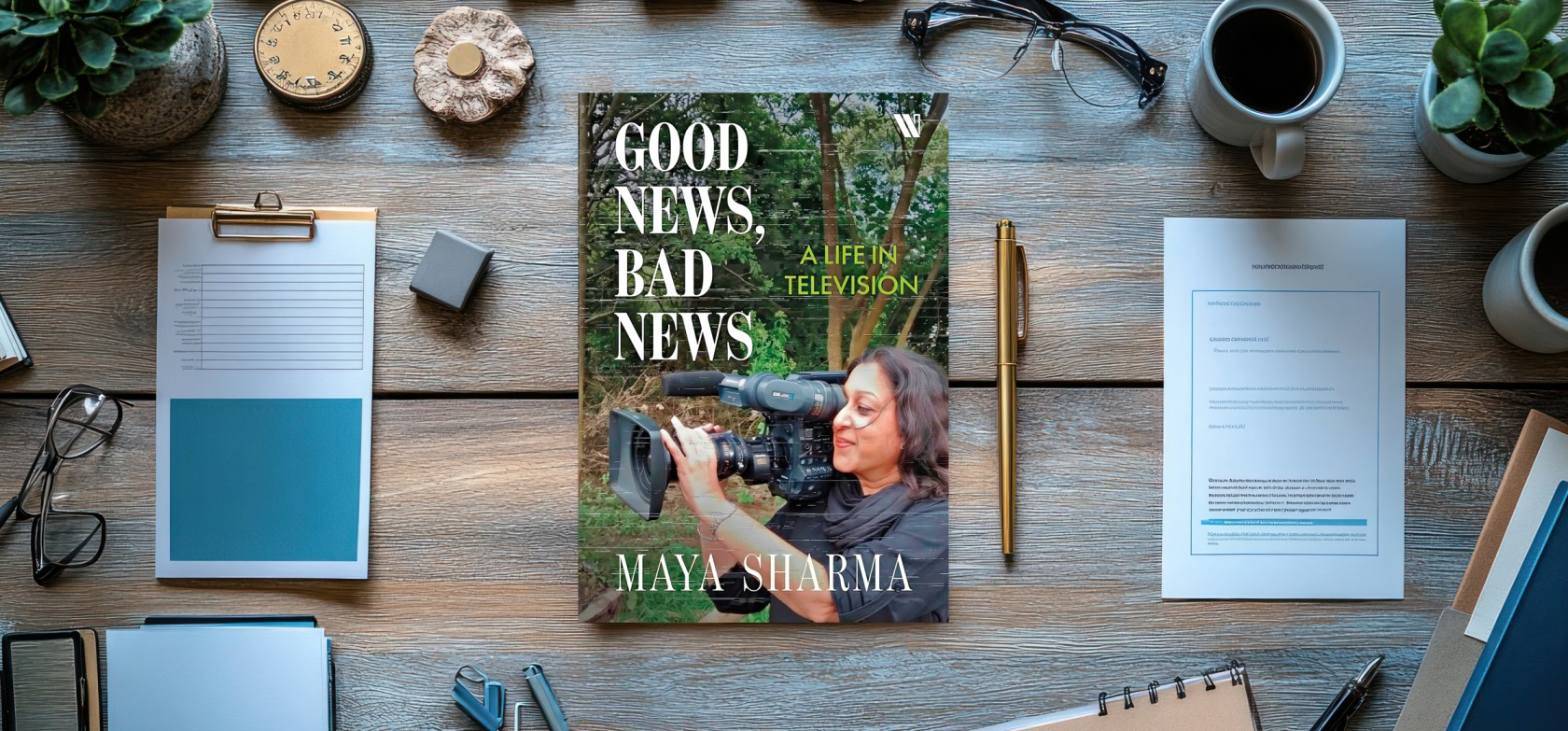
Today we take the live TV coverage of elections and the minute-bu-minute coverage of electionresults for granted. Veteran TV journalist Maya Sharma had just started her career when India received its first-ever live election results coverage back in 1989. Since then, she has reported on some of the most significant phases in modern Indian history. Good News, Bad News is a disarmingly honest and funny memoir that also offers a ringside view of English-language TV journalism in India. Sharma candidly talks about thorny issues like the rise of tabloid-style clickbait journalism, the gender divide in Indian newsrooms, the North vs. South clash in federal politics and more.
The Shadow of the Object, by Chloe Aridjis, Chatto and Windus
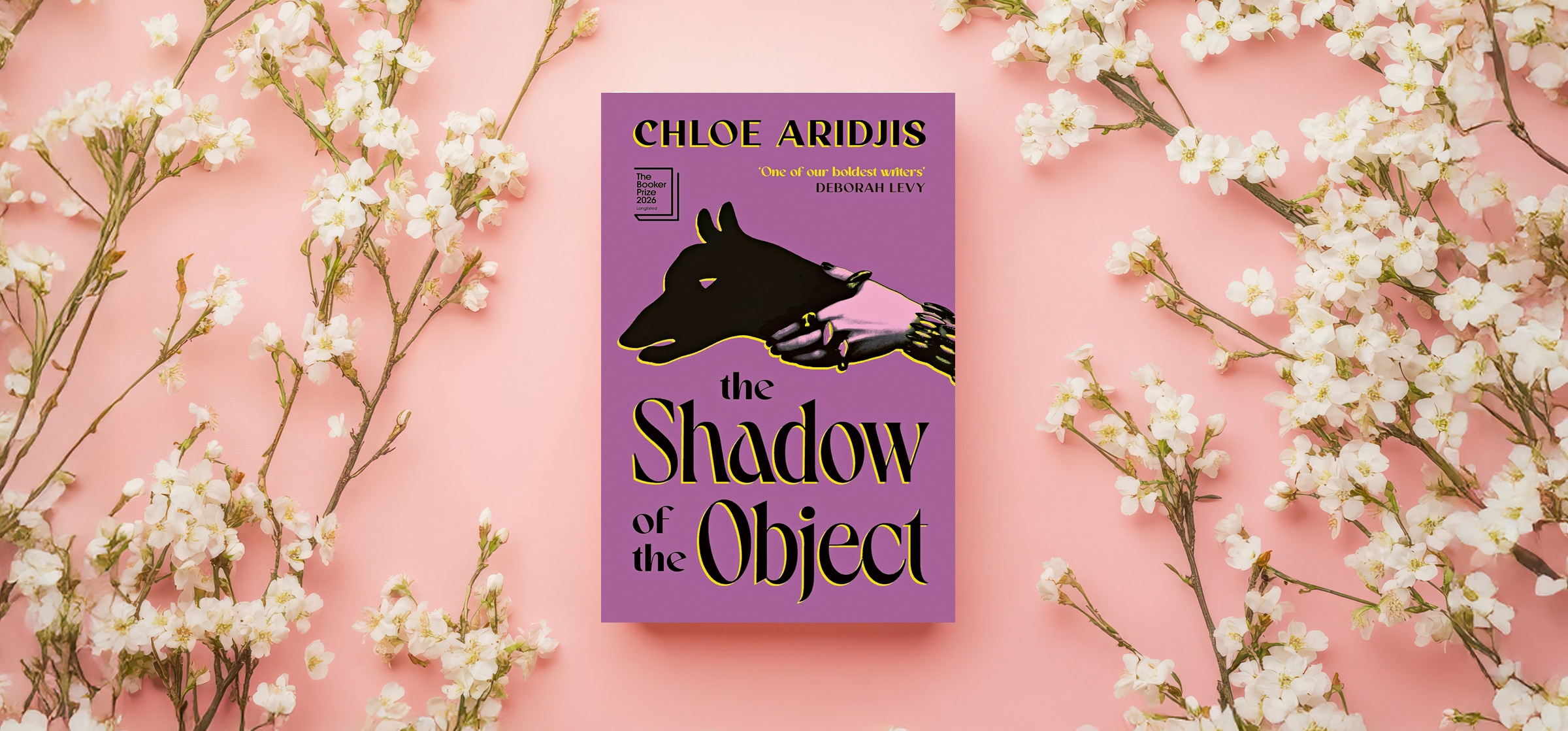
The Mexican-American writer Chloe Aridjis has earned a spot on the Booker longlist with her latest novel The Shadow of the Object, an offbeat and constantly surprising story about memory and the power of illusions. The narrative follows Flora, who’s recovering in a Mexico City hospital after being bitten by her parents’ dog. Soon, she strikes a bond with an elderly German patient named Wilhelmina, who introduces Flora to her vast collection of pre-cinematic visual toys, widely considered a ‘missing link’ in visual culture, lying temporally and ontologically between photography and cinema. Zoetropes, magic lanterns, phenakistoscopes—as Flora is bedazzled by the images thrown up by Wilhelmina’s array of mechanical instruments, she begins to realize that there’s more to her new friend than meets the eye.

R-EVOLUTION by Sage for the Ages
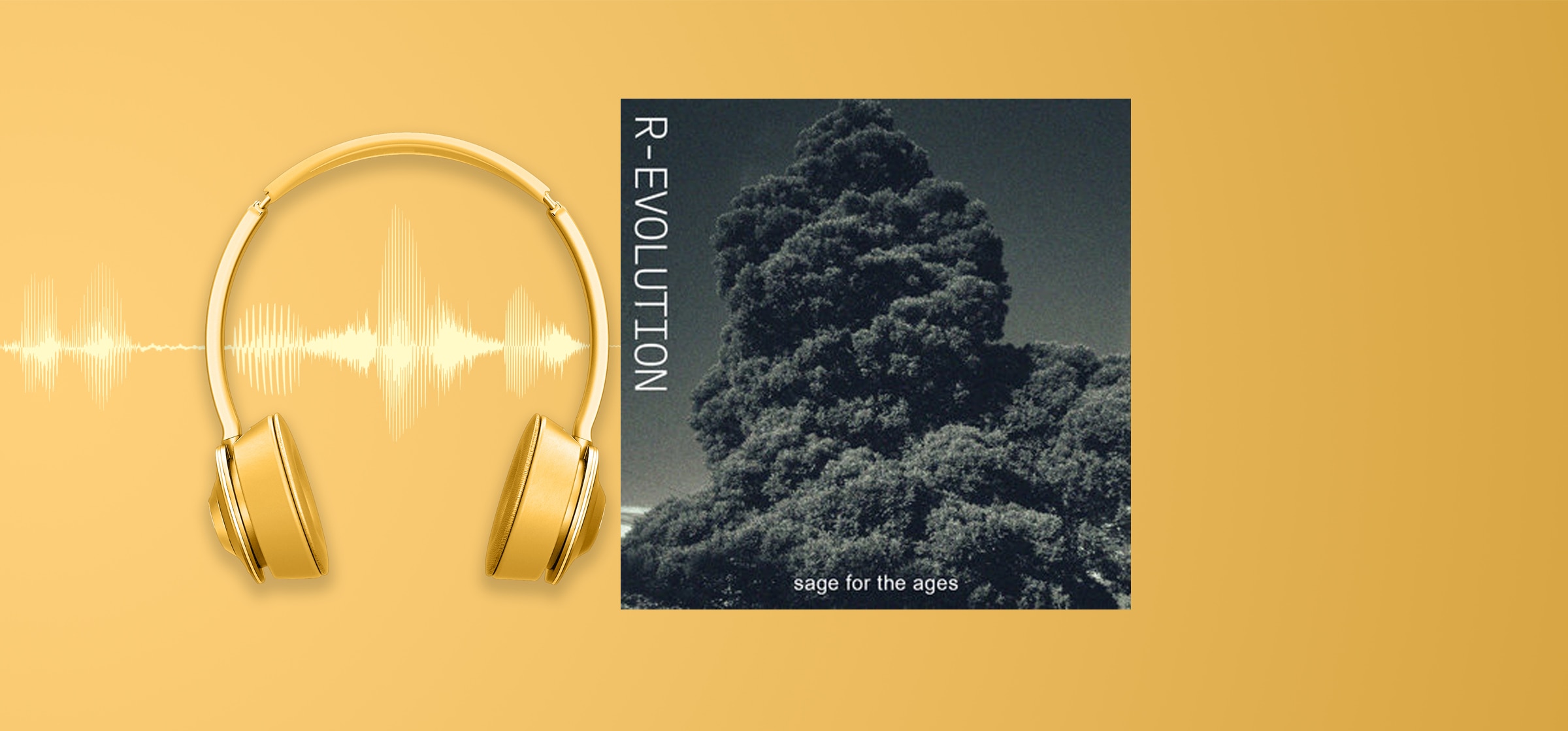
Streaming on Spotify
The Bangalore-Pondicherry jazz ensemble Sage for the Ages, led by singer-songwriter-guitarist Kirtana Krishna, is known for their poetic lyrics and a slow-burn, trip-hop-like sound palette, layered with impro-visational jazz. Their second album R-Evolution sees them in top form, with a number of songs referencing environmental themes, like ‘Dear Auroville’, with ‘Plasticity’ and ‘Mutant Juice’ exploring darker visions of the havoc wreaked by unregulated industrialization and the flouting of green norms. ‘Through Nothingness We Fall’ is a more abstract song, lyrically speaking, but in terms of production quality and overall composition, it’s probably the pick of this excellent album.

Art Indica by Dr. Alka Pande and Nidheesh Tyagi
Streaming on YouTube
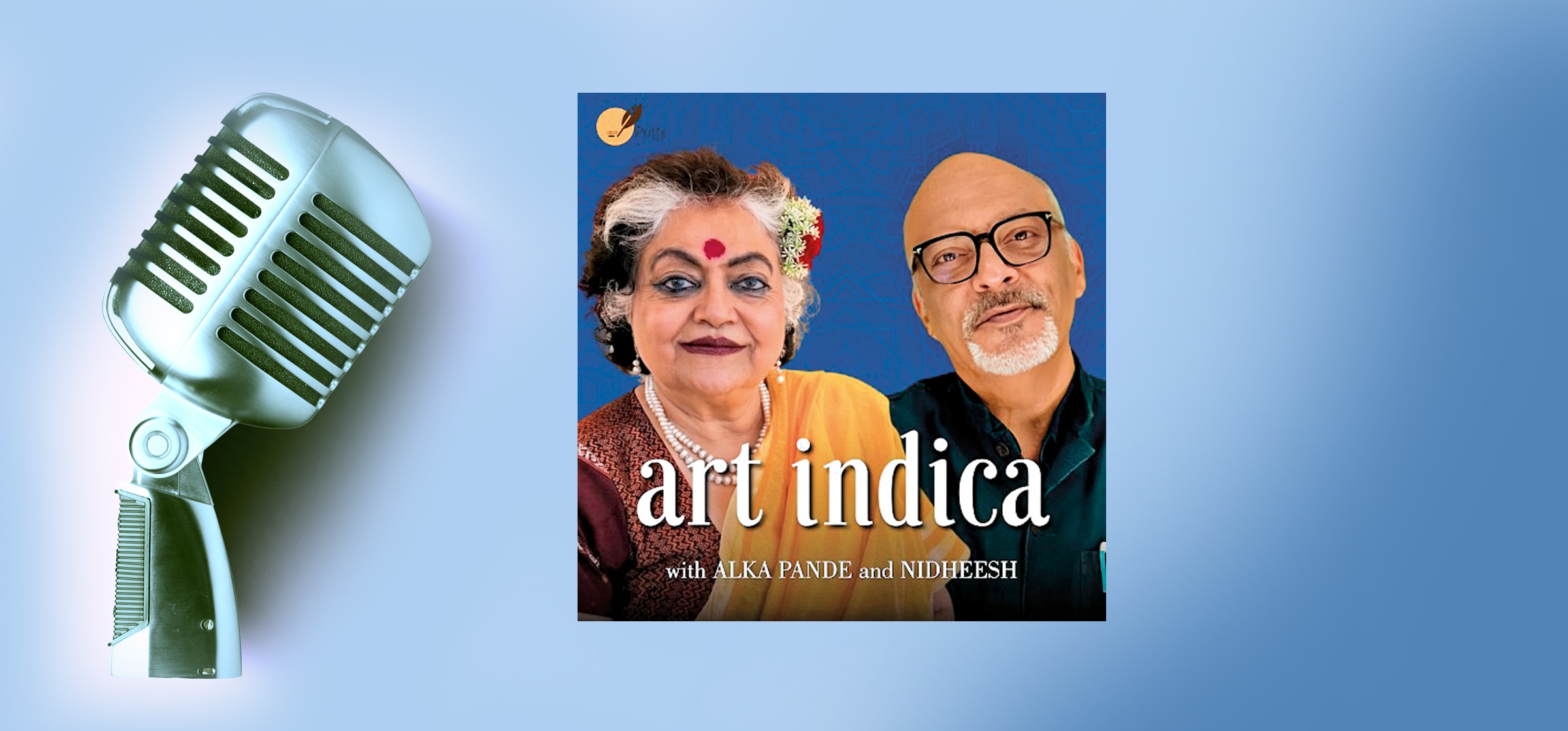
Dr. Alka Pande is a veteran curator who has written several art history books, like The Quest for Love and A Celebration of the Love Article, on the erotic and sensual aspects of Indian art. In this podcast with journalist Nidheesh Tyagi, Pande takes the listeners on an in-depth guided tour through the major themes and influences of several different Indian art traditions. Learn how Mughal aesthetics ended up influencing textiles and building practices worldwide, or how Khajuraho is often typecast as an erotica-only space (it's also a vital monument to study the cross-pollination between Hindu and Jain religious sites). A highly educational podcast, recommended for history enthusiasts and students of religious iconography.
For more recommendations like these, click here