- HOME
- /
- Culturescape
- /
- Me & My Shelf
- /
Gautam Bhatia's 10 All-Time Favourite Reads
Gautam Bhatia is a speculative fiction writer. He is the author of the science fiction duology, The Wall (2020) and The Horizon (2021), and most recently, of the novel, The Sentence (2024). He is also a constitutional lawyer and the coordinating editor of the science-fiction magazine Strange Horizons.

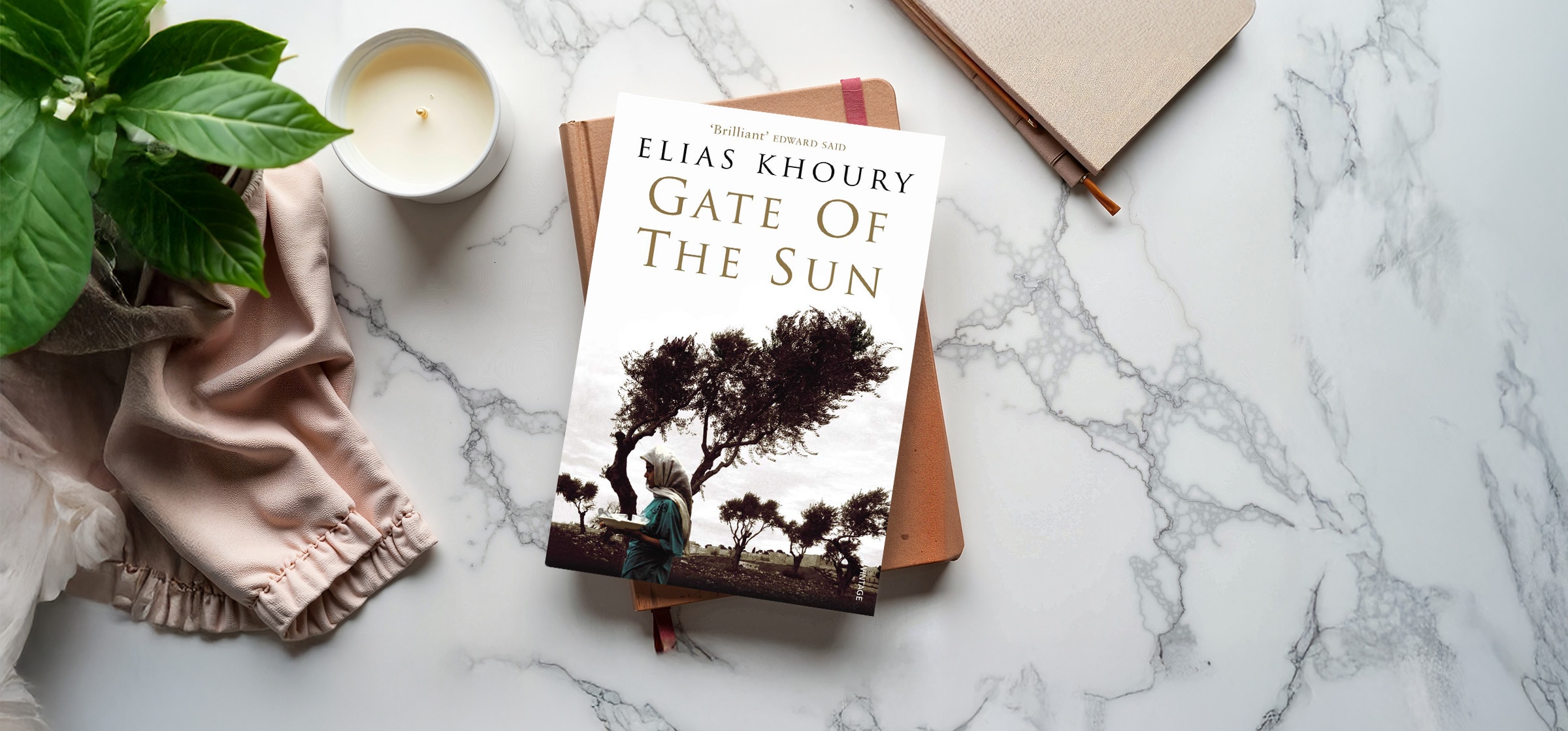
Gate of the Sun by Elias Khoury, Vintage
In a hospital bed, an old Palestinian revolutionary lays dying. By his bedside, his protégé begins to recollect and piece together the memories of his life, and with them, the story of the Palestinian Revolution. Gate of the Sun is Lebanese writer Elias Khoury’s masterpiece, a paean to the Palestinian Revolution and the women and men who lived—and died—for it.
Tomorrow They Won’t Dare to Murder Us by Joseph Andras, Verso Fiction
A thinly fictionalized retelling of the story of the only pied-noir who was executed for siding with the rebels in Algeria’s war of independence from the French, Tomorrow They ... has the qualities of both dream and nightmare. Its author refused to accept the Prix Goncourt, a rare example of an artist living his convictions.

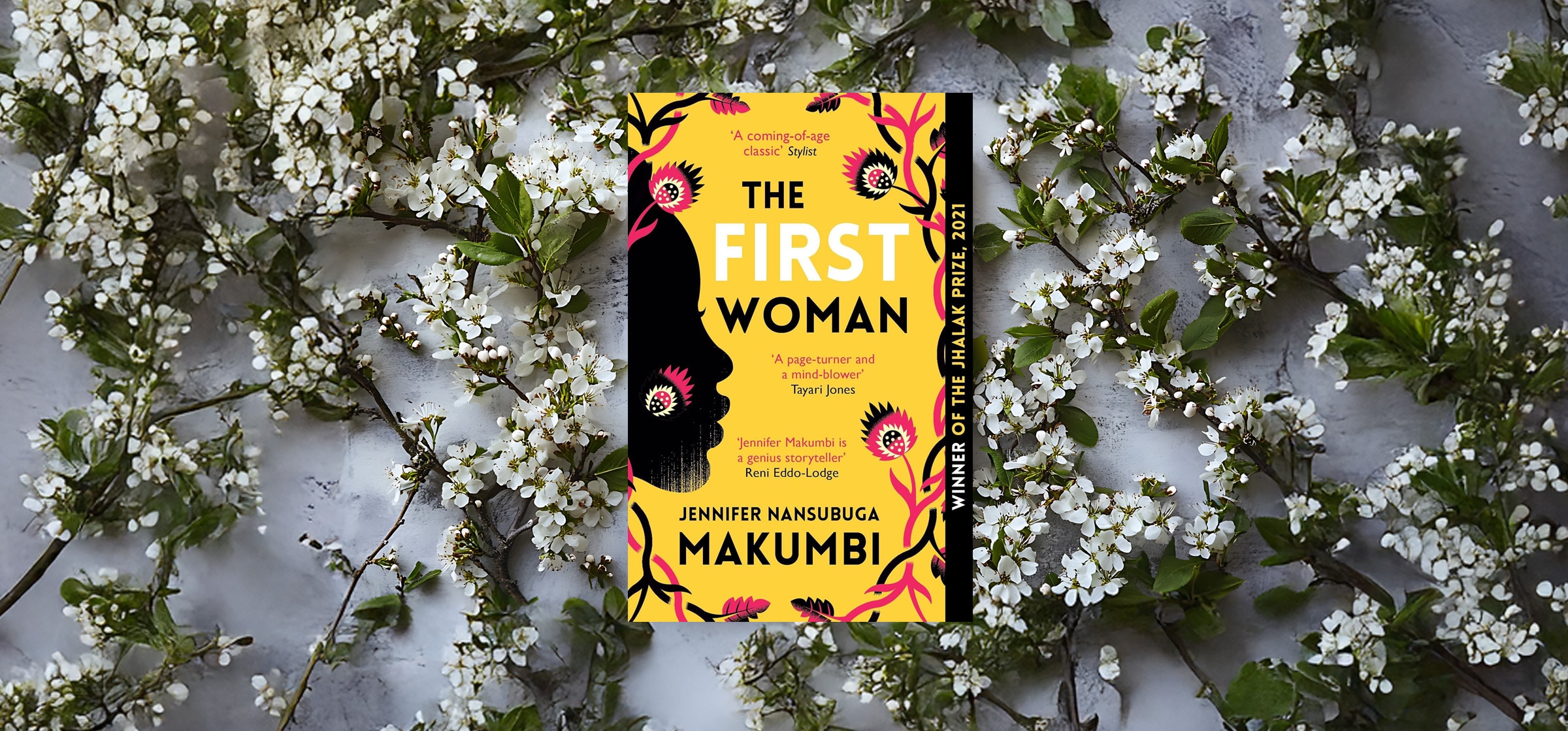
The First Woman by Jennifer Makumbi, Oneworld Publications
Two women, growing up together in rural Uganda, trace very different—and yet intertwined—life journeys, that see them contend with the newly-independent nation-State, patriarchy, and the travails of a life less ordinary. The First Woman is a brilliant novel about colonialism and neo-colonialism, female friendship, and the institutions that cage us.
The File on H by Ismail Kadare, Penguin
Two young Harvard scholars arrive in an Albanian village to record the last strands of an oral epic before the tradition dies out—only to find that they have dropped into a minefield of myth, nationalism, conflict and epic poetry. The File on H explores all the themes that made Ismail Kadare one of the most beloved writers of his generation.

Algerian White by Assia Djebar, Seven Stories Press
Part-novel, part-personal history, Algerian White is a story of a betrayed revolution, a freedom struggle that hardened into the carapace of an authoritarian state, and how former comrades turned upon each other. Djebar’s staccato writing, and the book’s style as a collection of fragmented memories, makes its impact all the more sharp.

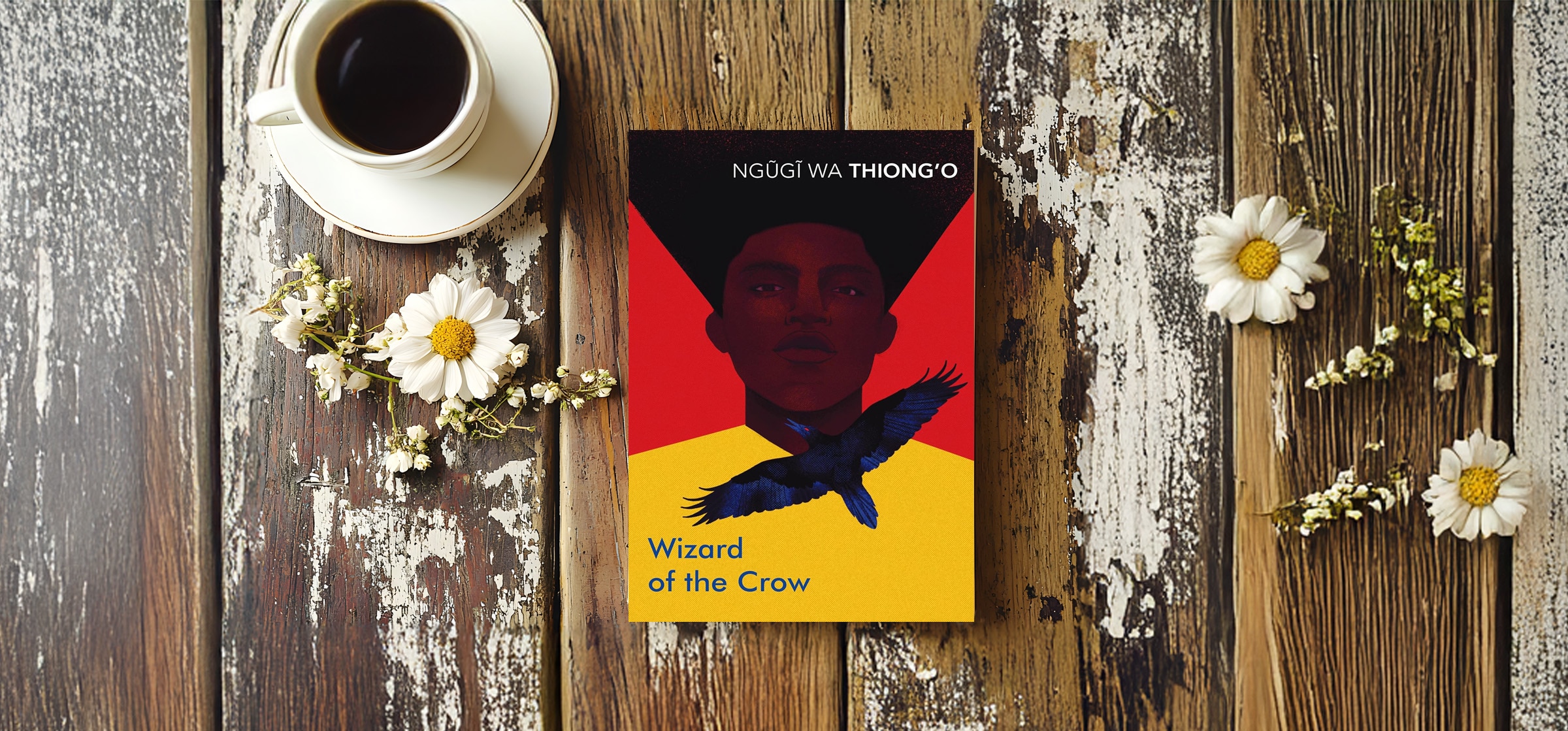
The Wizard of the Crow by Ngũgĩ wa Thiong'o, Vintage
The people of a newly-independent, unnamed country find themselves caught between an authoritarian, erstwhile “revolutionary” leader, and the grip of global financial institutions. They navigate their way with dark humour and uncrushed irony. The Wizard of the Crow is one of the lesser-known—but wickedly enjoyable— novels by the great Kenyan writer.
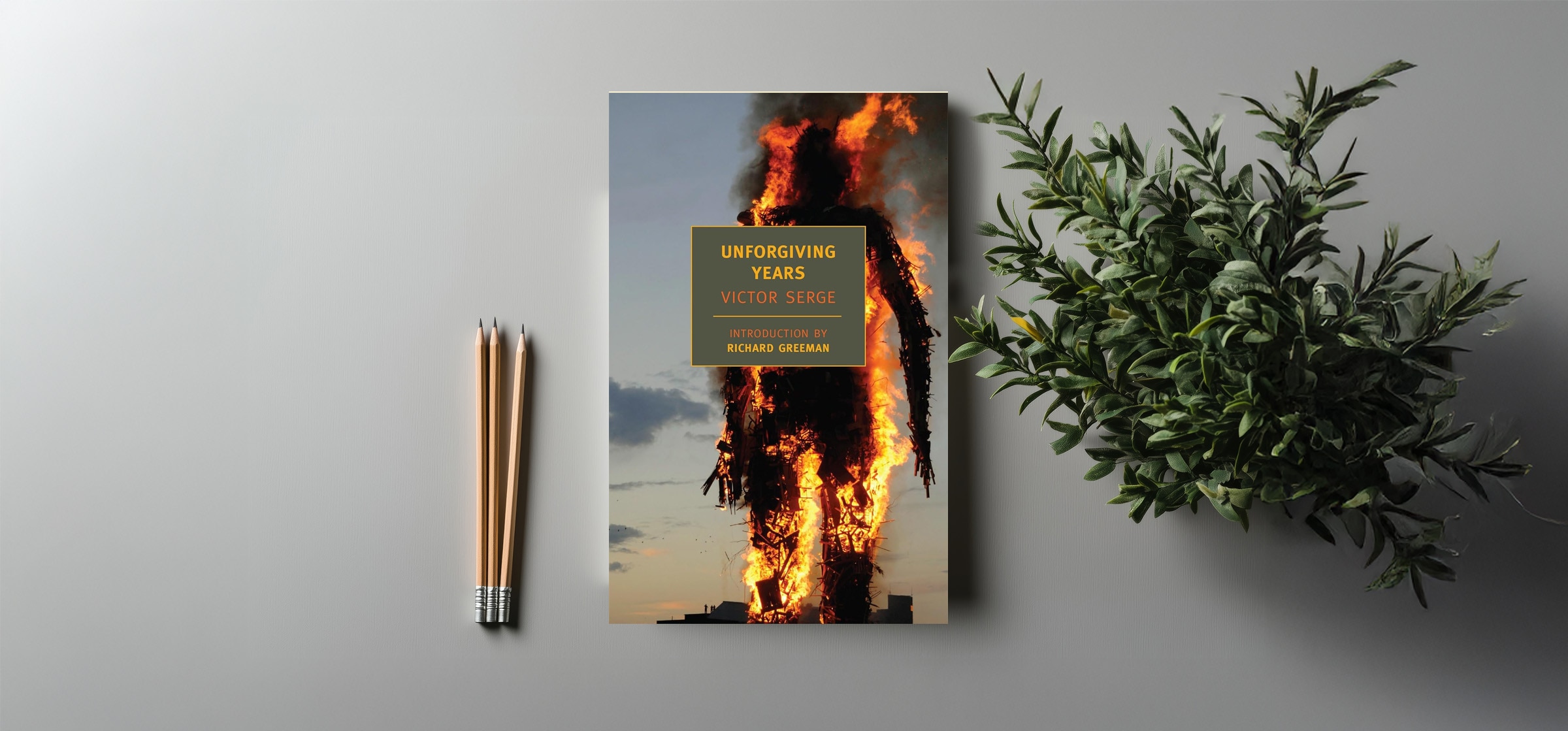
Unforgiving Years by Victor Serge, NYRB
More famous as a historian of the Russian Revolution’s descent into tyranny, and as a perpetual exile, Victor Serge was also a brilliant novelist. Unforgiving Years is a devastating and fiercely melancholy portrait of a world between the Wars, and of the lives of itinerant revolutionary, doomed to wander the world now that the Revolution they helped bring about has betrayed them. It is impossible to end this book without tears in your eyes.
The Invention of Morel by Adolfo Bioy Casares, NYRB
Called “the perfect novel” by Jorge Luis Borges, The Invention of Morel takes the conceit of a man stuck alone on a desert island, and makes of it a cross between a detective story, a science-fiction novel, and a musing about time, memory, and the human heart.

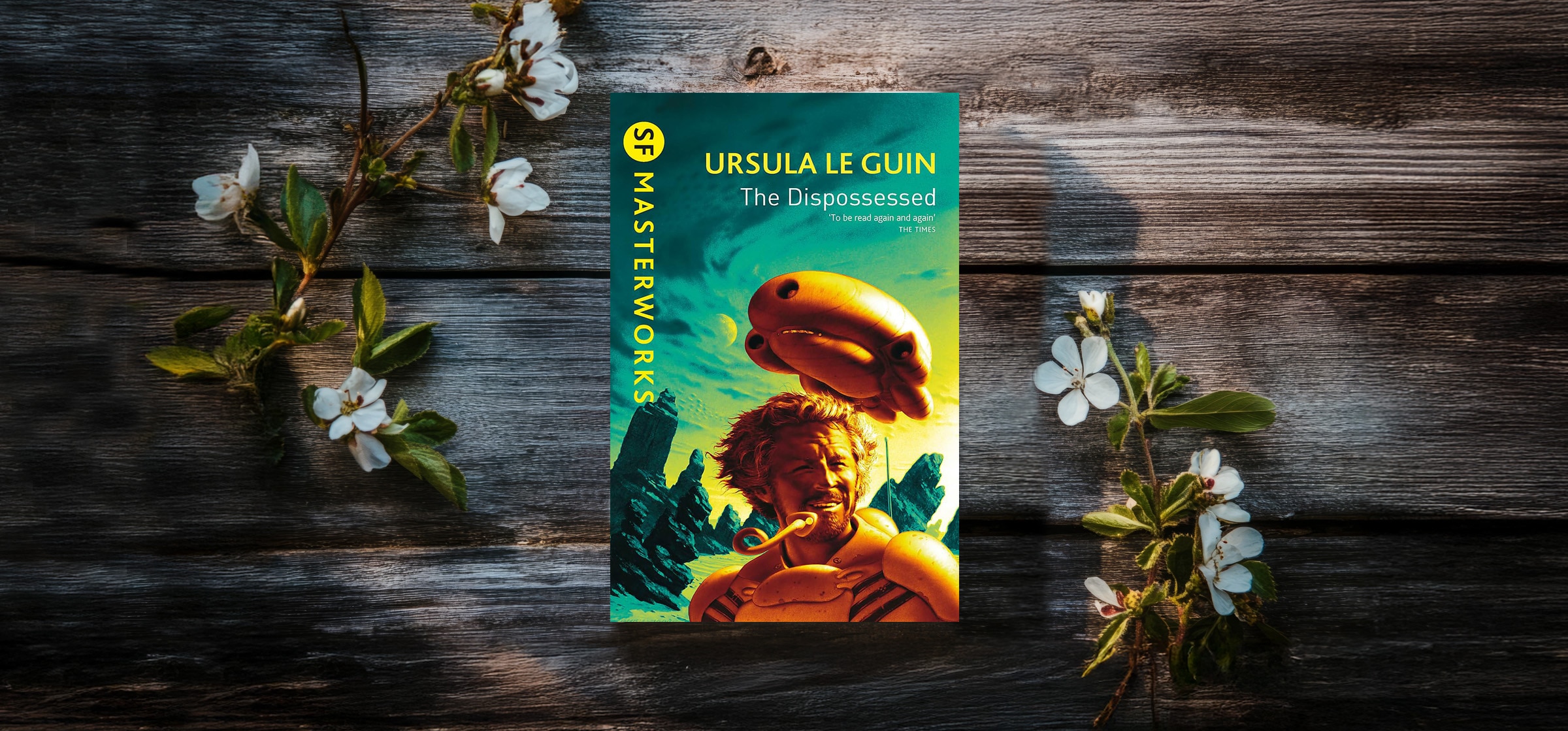
The Disposssessed by Ursula K. Le Guin, Gateway
Ursual K. Le Guin urged writers to explore alternatives to capitalism, to the “way we live.” Her iconic novel, The Dispossessed, does exactly that, creating—and rigorously exploring—the nuts and bolts of an anarchist society, an “ambiguous utopia,” and what happens when it comes into conflict with the violence of more familiar societies.
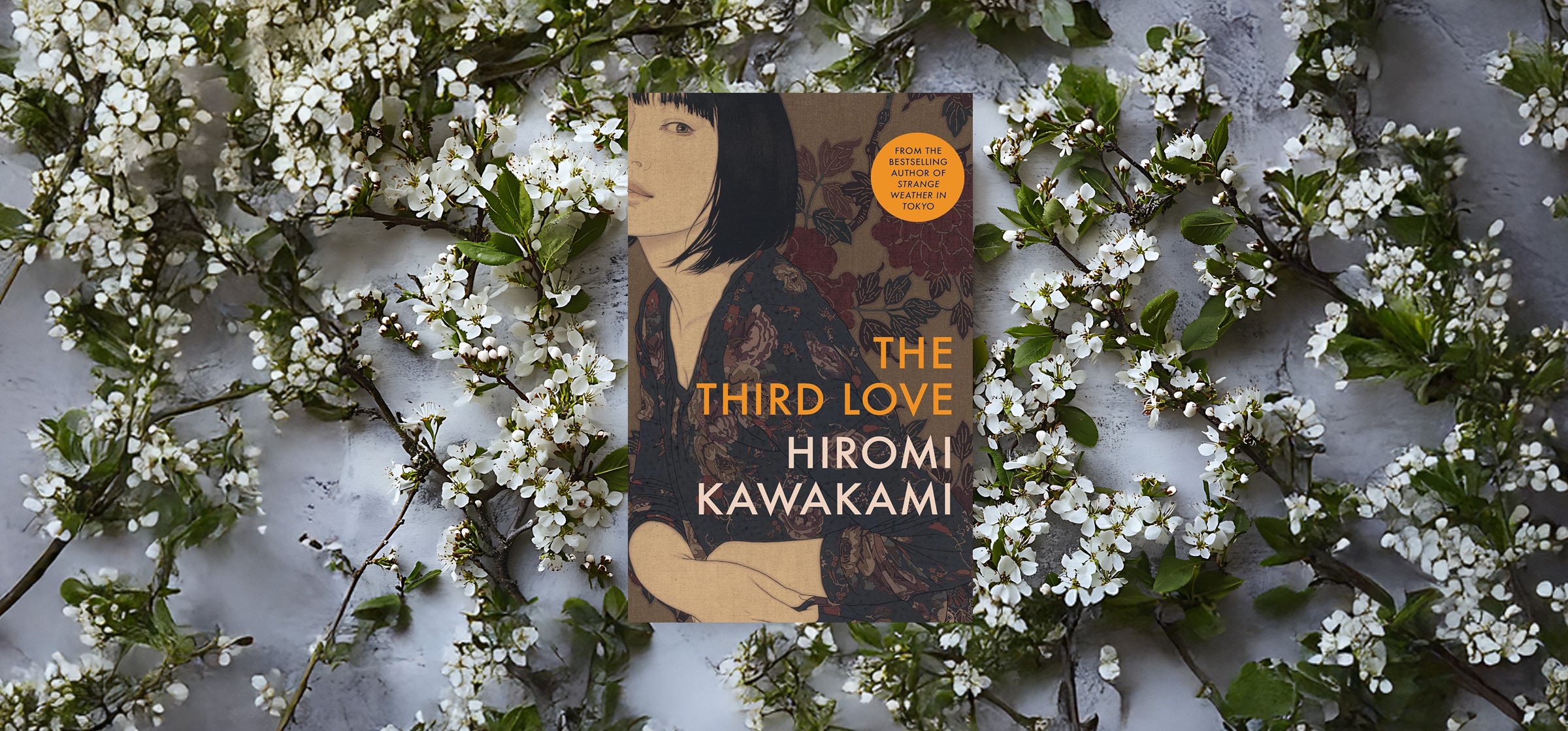
The Third Love by Hiromi Kawakami, Granta Books
Part-love story, part-time-travel romance, and part-speculative fiction, The Third Love takes us through three eras of Japanese history to illustrate the old adage that everyone falls in love thrice, and the third time is the one that pays for all.
For more book recommendations like these, click here.