We Built a Family. The Law Still Doesn't Recognize It.
A petitioner revisits the optimism and setbacks that defined India’s landmark case seeking marriage rights for queer couples—and the questions that linger after its defeat
 Photo: Adobe
One never imagines fighting a case in any court, let alone the country’s apex court. Hearing lawyers argue about the rights you are entitled to by the Constitution of the country is disconcerting, because we all take so much for granted—our citizenship, free speech, freedom to practise our religion and, most importantly, our dignity. As adults, where do we engage in discussions on our eligibility to these rights? It was frightening at times when our lawyers argued for us before such an important forum. We were fighting for what we didn’t have, but it also made me think: Are we taking what we have too lightly?
Lofty sentiments, heightened emotions, august company, sombre environment. Put a five-year-old in the mix and life becomes a tragicomedy. I love narrating an incident from those days. Our visits to the Supreme Court involved a lot of paperwork and security checks. For entry into the main courtroom, a guard would instruct us to leave our phones outside—where, exactly, was unclear—and stay silent during the proceedings. During one of the hearings, I was kicked out by the guard for breaking the rules and using my phone briefly. This was a matter of great shame to my partner, but what was amusing was that I was using my phone to order our son new shoes. His playschool teacher had texted to say his giant flat feet were pouring out of his sandals and he needed roomy shoes for his toes. Could my life as a partner, parent and gay woman get more domestic than that? Sadly, the irony was lost on the court. And, soon enough, so too was the case.
Everyone always knew we could lose the case but for most petitioners, including us, there was a buoyant feeling in the run-up to the verdict that made it seem like victory—in some form or measure—was inevitable. The arguments, the conversations, the largely supportive media, all seemed to suggest that people were conceding to the radical idea that the LGBTQIA+ community deserves equal rights. The opposition’s argument regarding the social and cultural aspects of marriage seemed to many of us to be so droll—we want to be part of this very fabric, we wanted to shout sometimes—but even so, the mood was upbeat.
In October 2023, we lost the case. The court found that marriage is not a fundamental right, and it was not the appropriate forum to make laws for LGBTQIA+ people to marry their partners. The message was clear: you can be queer and live as you want to, but it is up to you to work hard at convincing society to change age-old structures to accommodate your way of life. What a daunting task for our short lives.
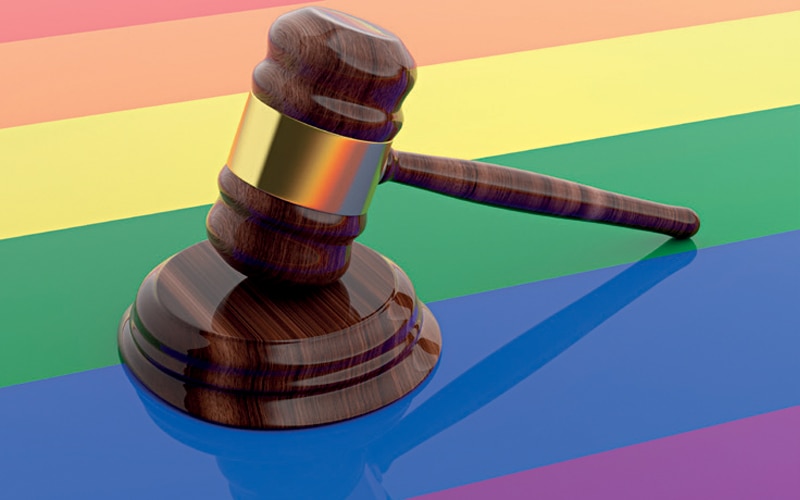 Photo: Adobe Stock
Our initial reaction was to return to default and go about our lives as quietly as possible. No more interviews, no more public speeches, no more ruffling feathers or wearing our queerness on our sleeves. This was how many of the petitioning couples responded in the immediate aftermath of our loss, and how, I realized, we are conditioned to live safely. Gradually, all conversations in living rooms and newsrooms ceased a few days after the verdict and the news cycle moved on to other pressing issues of our times.
What has changed since the court’s verdict? As a queer family, we still have no legal status, but post-petition, it is hard to ignore the indignities that come from refusal to recognize us legally. The feeling that seeped in once we stopped pretending that everything was okay—we’re doing great, we’ve built a life of benign innocuity—was not quite anger, no, nor frustration. It was a lump in the throat. An immediate recognition that someone was okay that we didn’t have the same entitlements as them. It was a refusal to feel any more shame, but also a grating at the core for having to participate as a citizen as though I have not just been shown what I don’t get to have.
We now know that Indian society, polity and judiciary are not ready for same-sex marriages. Are my partner and I simply being tolerated by those around us because of our privilege? I wish I could ask those around me—extended family, friends, colleagues, all invitees to our son’s birthday party—point-blank: Do you believe in equal marriage, and will you stand up for it when it counts? Will you be okay if your child comes out to you as queer? Yet, I do not ask these questions because the answers may confirm what I know, or worse still, because they will kill the vibe of the party and my son may never forgive me.
All our choices, from falling in love to starting a family and fighting for equal dignity have rested on the hope that our tomorrow will be better than our today. As our little family moves on making weekly menus, trying to get in 10K steps and planning play dates, the hardest part is letting that hope go.
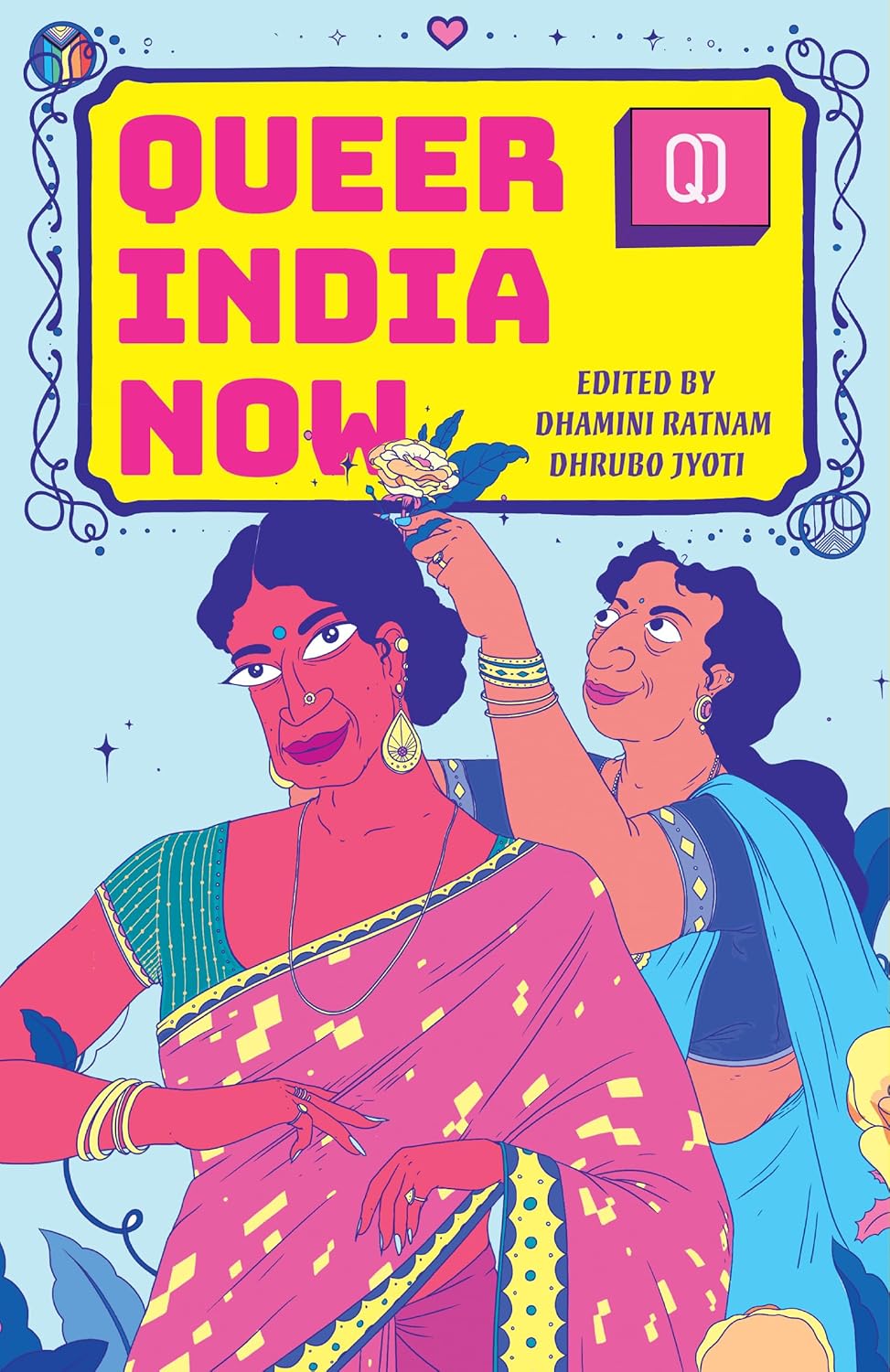
Edited excerpt from the book Queer India Now (Westland, 2026) edited by Dhamini Ratnam, Dhrubo Jyoti.
For more stories like these, click here