- HOME
- /
- Conversations
- /
"Our Moral Compass Is at Stake": Journalist Jyoti Yadav on Why India Can't Afford to Forget COVID
In Faith and Fury: Covid Dispatches from India’s Hinterland, journalist Jyoti Yadav reflects on collective amnesia and why remembering our failures may be as important as celebrating our triumphs

Take us back to March 2020—the day your editor-in-chief [Shekhar Gupta at The Print] emailed the newsroom calling COVID "the biggest story of our lives." What was going through your head when you read that?
Like everyone else, I too had no idea we were walking into a catastrophe. Newsrooms are always buzzing, and this day was no different. We had been waiting for Shekhar to tell us it was real, that it wasn’t only something happening far away. In the days leading up to this email, we were taking it one day at a time. There was confusion, anxiety, fear. One, almost immediate, change was that conventional beat reporting was upended. Most reporters were walking into the newsroom without a story idea. Out of nowhere, a COVID beat had to be carved out, leaving us, especially younger journalists, desperately looking for ideas.
You grew up in a village in Haryana and were the first in your family to go to university. Looking back, how much of your motivation to go into the hinterlands—instead of covering COVID from a desk in Delhi—comes from where you started out?
Absolutely, a great deal of credit goes to where I come from. In my initial days as a journalist, I often felt disadvantaged by my rural upbringing. After spending a few years with a sense of alienation, I finally found my footing in rural reporting. Each time a story pulled me back to the village, I felt close to home. During COVID, this feeling was a constant. Having an insider’s view also helps bring out the intimate details of people and society. Because of my lived experiences, it also became easier to fully embed myself in any rural story.
The title of your book captures a paradox: during COVID, people clung to faith—in survival, in returning home, even in the state—while also burning with fury at it. Five years on, which emotion do you think actually won? Did the faith you documented end up absorbing the fury, letting the state off the hook?
During pandemic follow-ups, I often met people who had endured immense pain, such as COVID orphans, who tried to bury those memories. But I also encountered another set of people, like migrants in U.P. and Bihar, who grew furious when the U.S.‑Iran war rendered them jobless once again. But none of this has translated into public reflection—on what it felt like, whether India’s response to COVID failed or succeeded—unlike other historical events, which are hotly debated. On the surface, it appears as though the fury has somehow been lulled into something like forgetting. People transfer their anger with one swipe or scroll from one issue to another, and this proved very useful to the state in shaping its own narrative. For me, it has been difficult to arrive at one definitive conclusion.
You roughly spent 60 days on the road reporting the pandemic: What's one small, completely unglamorous detail from those months that's stayed with you—the kind of thing that never makes it into a news story?
This prolonged assignment stretched for days, and much of it was spent in crematoriums and COVID wards. The smell of burning corpses and the stench of urine in government district hospitals followed me everywhere. It often clung to my nostrils. I would wash my hair with hot water at the end of each day. For nearly two months, I took hot‑water baths in the unbearable North Indian heatwave months, not just to ward off the virus but also to escape that nauseating smell. The memory of that smell revives itself every time I return to crematoriums or hospitals for reporting.
You were chased by a mob in Araria, branded a "vulture" by IT cell trolls for reporting on death undercounting, contracted COVID multiple times yourself—what did that sustained pressure cost you personally, and do you think the climate for ground reporters challenging official narratives in India has improved or worsened since 2021?
The assignment took a mental and emotional toll, especially witnessing death up-close for the first time and, as a young person, writing about it every day for two months. I almost faced an FIR in one Bihar district for reporting on its dilapidated district hospital. I was harassed twice—once in Barabanki and once in Araria—and those incidents scarred me. I began taking extreme measures to keep myself safe during remote reporting trips. Reporting has definitely become more difficult and frustrating since the pandemic, especially gaining access to information from the state. Unreliable statistics, the poor condition of the Right to Information Act, and the tsunami of unfiltered information masquerading as journalism, wholly without editorial guidance, has certainly made things more challenging.
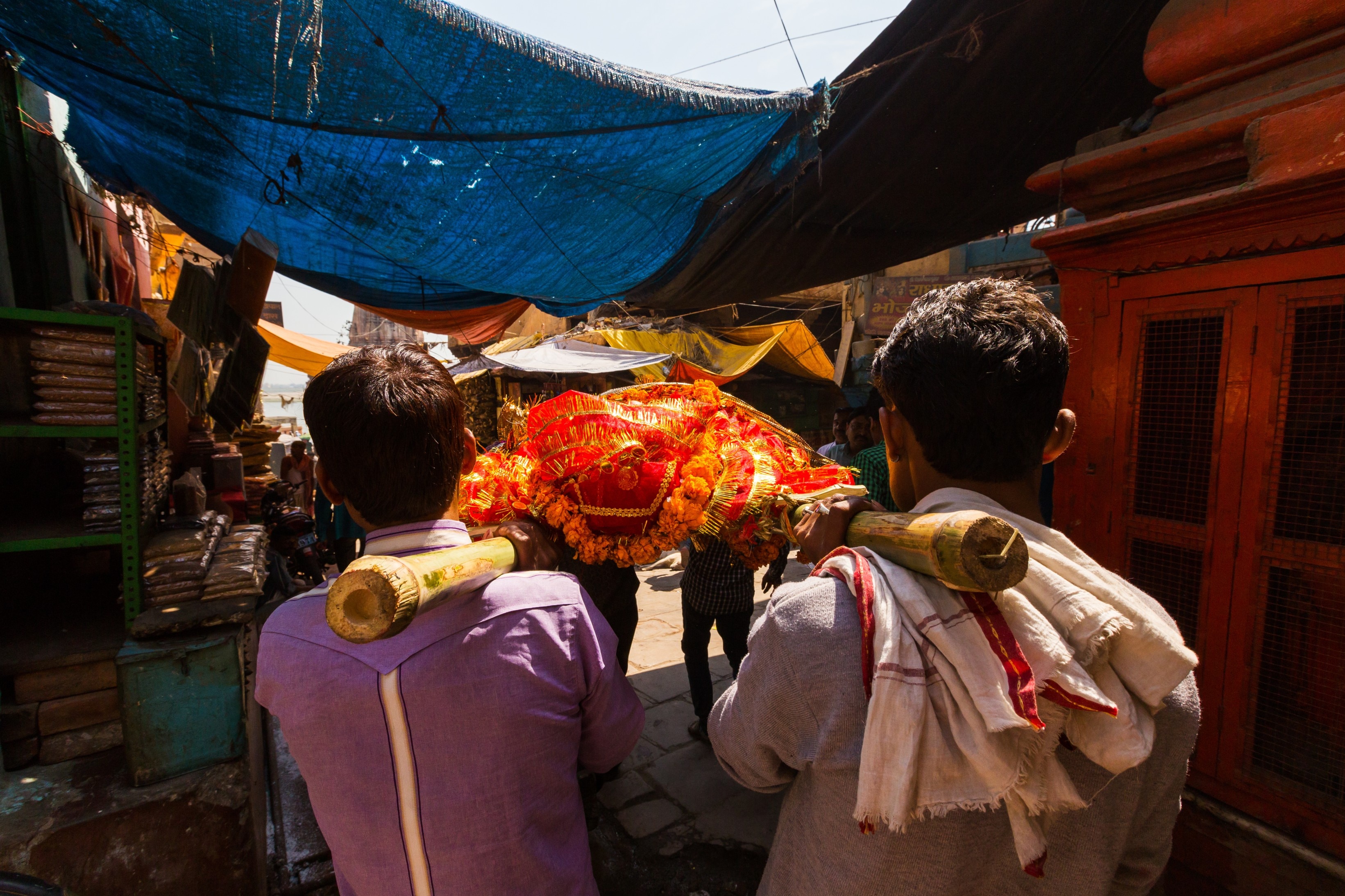
The Doms in Varanasi cremated up to 35 bodies a day, took on priests' duties when priests fled, and received no PPE, no hazard pay, and almost no media attention—while doctors and bureaucrats were lionized as frontline heroes. You ask in the book whether "the first draft of history systemically excluded a particular community." Looking back, did your own reporting fully escape that hierarchy, or did it also center the voices easiest to access?
I tried to get access to Dom workers several times, first in Varanasi and later in Patna. At the peak of the pandemic, it was extremely difficult to speak to them at length, as there was no window of time to sit with a group of workers. Some laboured for up to 40 hours straight, collapsing among the corpses from exhaustion. Another challenge to my safety as a lone female reporter was that most workers were using liquor to numb themselves to keep working as bodies overflowed the cremation boundaries. I found a way to follow a group’s trail and get them to speak, even if only a sentence or two, coupled with observation and statistics, to make their story count in this book. One of the chapters ends with a 16‑year‑old Dom worker. I traced him once again in 2026 in Patna’s crematoriums and wrote about him.
Returning to reopen people's worst memories for a book raises its own ethical weight. How did you decide when revisiting someone's grief was justified — and what did those follow-ups reveal about what the state actually delivered once the cameras and compensation cheques were gone?
I was there looking for an oxygen bed for someone’s mother, searching for a hospital in Lucknow for someone’s father, attending someone’s last rites. So, when I returned, I was not an outsider being introduced into their lives. Rather it was a continuation of conversations we had many years ago. That somehow helped reduce the moral weight considerably and gave me the space to write.
The initial coverage of every major crisis is crucial, but the social and institutional processes are just as important. For institutional changes to actually take shape, follow‑up journalism has to play a significant role in tracking the process of systemic injustices, prejudices, and the pursuit of people’s justice, and their disrupted lives.
In Madhubani, you describe a health team testing nine people in a village of 2,800 — people genuinely believed testing positive meant being taken away to die. That distrust wasn't irrational; it was built on a year of real abandonment. What's the lesson there for public health communication in any country where institutions have already broken trust before the next crisis arrives?
Bridging this gap remains a big challenge. It might take years or decades to fill the trust deficit. But for that to happen, the lived realities of the very poor have to change for the better. This deficit was most visible in vulnerable groups, for instance, in this village in Madhubani—their perception was formed out of suffering. They had seen many not returning from hospitals and dying, and they concluded that it was the hospital that was killing people. And this episode widened the trust gap.
The book is full of women absorbing the crisis in specific ways — burying parents because no one else would help, managing both grief and ritual obligation, a pregnant teacher dying on election duty. Was there a distinctly gendered shape to how rural India survived the pandemic that doesn't show up in the national data or the national conversation?
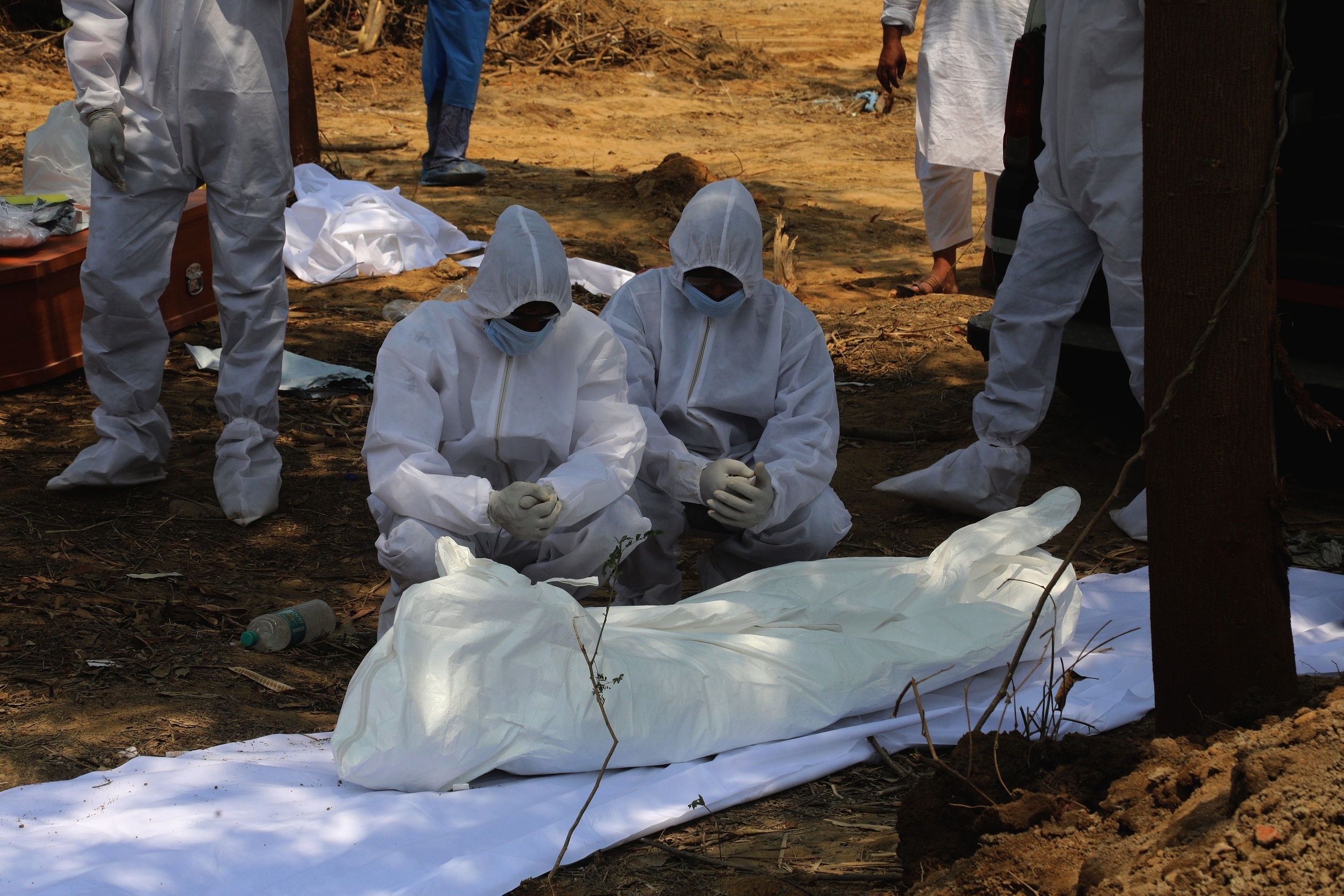
A 38‑year‑old Ramrati in Haryana was locked in a toilet for over a year by her husband; 62‑year‑old Maya Kuwar, a Sahni woman, was alleged to be a witch, assaulted, paraded semi‑naked, and forced to consume human excreta by returning migrants in Bihar. The pandemic saw the worst kind of gender violence unleashed on women as they remained locked down in dangerous environments that triggered extreme gender violence of this kind. They also bore the burden of ‘pandemic debt’—loans taken at exorbitant rates to support stranded sons and brothers. Adolescent girls were disproportionately affected due to early marriages. The national telling of the COVID years is dominated by masks, vaccines, the oxygen crisis, but it does leave out this vulnerable group and their stories of survival.
You write about families bankrupting themselves for funeral feasts they felt no choice but to hold, even for COVID dead. There's something almost universal in that — ritual obligation overriding both grief and danger. What did watching that tension up close teach you about how any society balances tradition against public health in a crisis?
All societies mourn the dead differently. This bhoj (feast) is unique to Bihar and UP and some other parts. For a person coming from a different cultural background, it might be shocking, but here in this part, the feast during death, is mandatory. Since COVID had already snatched away the dignity from the dead, who were thrown away like garbage, packed in polythene. I would like to believe that some rituals may have provided a cushion to the unprocessed grief of family members. But it was conflicting to witness a feast like this, because not many were turning up for cremation (partly due to stigma and partly due to the COVID enforcement), but dozens were lining up at the feast.
After two years of moving through hospitals, crematoria and grieving households, what was it actually like coming back to ordinary life in Delhi — did it feel strange to just … resume?
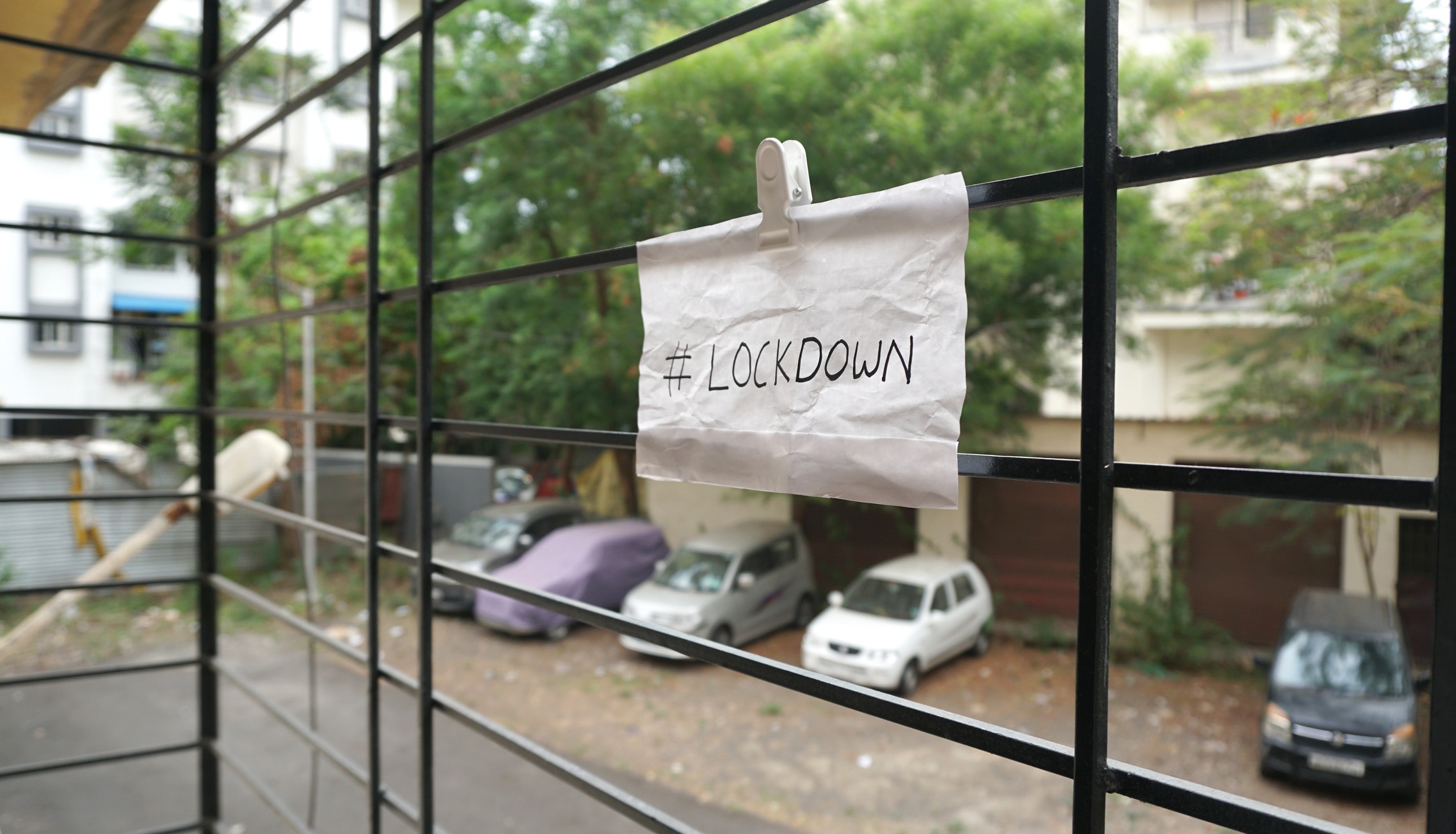
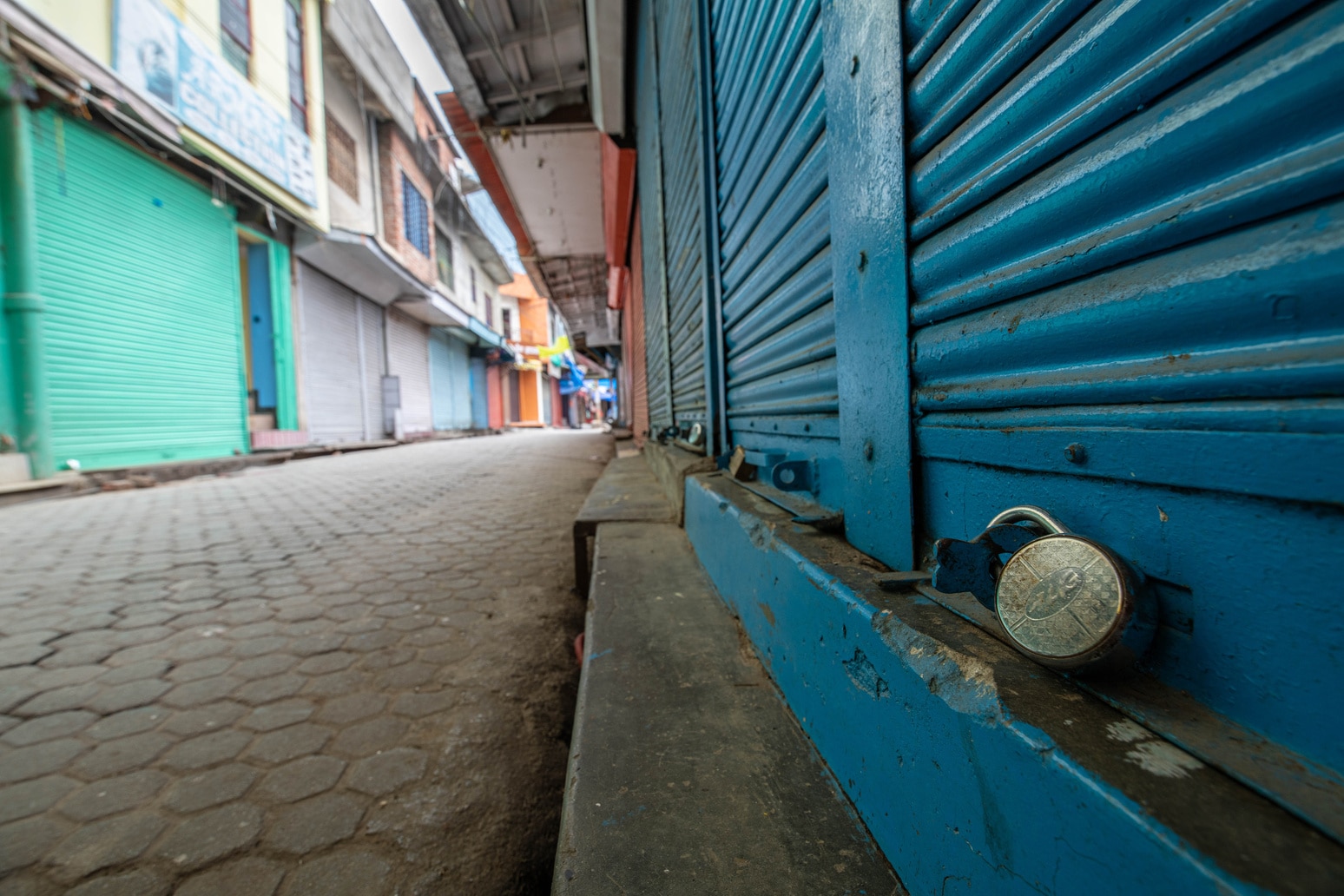
I was chasing my next byline within a fortnight after returning to Delhi and on the road again by July of 2021. In my reporting world, ordinary life didn’t return until almost the end of 2023. In the years in between, I had been constantly on the move, doing long‑form ground reports across North India. A significant part of that time was spent again in the same towns and cities that I had seen during COVID’s cruelest months—with empty roads, shuttered shops, and almost no traffic.
You've said plainly that India is "only a shock away" from this happening again. If you had to name one structural change — in data transparency, rural health infrastructure, or how the state treats people like the Doms — that would actually prevent a repeat, what would it be? And honestly, do you have any faith it will happen before the fury does?
Data transparency on internal migration might help the state in preparing for another crisis. And we witnessed in the ongoing U.S.‑Iran war, when trains once again stared at a mass exodus from industrial towns. For instance, in states like U.P. and Bihar, if one tries to access statistics on the migrants who left again after the pandemic years, and who all returned, it is quite unreliable. There is so much discrepancy in the district‑ and department‑level data. The government told us how many returned during the first wave, but it never systematically made a living document of internal migration. Because it is never an absolute yearly number, it changes with seasons and crises.
One reviewer called your book "a struggle of memory against forgetting," invoking Kundera. India has, by most accounts, moved on from COVID almost entirely in its public discourse. Do you see that forgetting as organic, or as something closer to a deliberate political erasure—and what's actually at stake if a country never metabolizes a trauma of that scale?
Professor Manoj K. Jha, who launched the Delhi edition of the book, called it “collective amnesia”, and all the panelists wondered how easily society has moved on. COVID affected everyone—maybe on a different scale, depending on privileges, caste, class, and geography—but it happened to us all. It’s a political erasure too, and it might resurface after a few years or decades, we can’t say. As of now, it is tucked away somewhere in our heads. We just don’t want to face another COVID story, and yet we find ourselves going back to it.
I think our moral compass as a society is at stake. You look around the world and find countries remembering their triumphs, but also their lows—the Holocaust, wars, failures. Here, we are too obsessed with triumphs and look away from what went wrong. The burden isn’t just on the state but on us as well.
Read an excerpt from the book here