- HOME
- /
- Health & Wellness
- /
- Health
- /
Snap! Crackle! Pop! Preventing Joint Pains and Problems
What’s normal with our joints, and how to prevent pain and problems
 Illustration by Kate Traynor
Adults typically have 206 bones and 350 joints, which are made of bones plus the tissues that hold the bones together: cartilage, tendons, ligaments and nerves. With so many moving parts working hard every day, it’s no wonder that many people experience pain, stiffness or soreness in one or more of these connections.
The smallest joint in the body is in the ear, and while it plays a crucial role in hearing, most of us aren’t even aware it’s there. The largest joint is the knee. Knees and other large joints like hips, shoulders and elbows are the ones that tend to become painful. We’re often quick to blame joint pain or stiffness on getting older. But it’s not just older folks who experience joint pain. Athletes and just plain everyday active people experience joint pain too. Besides ageing, causes include overuse (example: osteoarthritis), inflammation (bursitis or tendonitis), injury (strains, sprains and fractures), and genetic or autoimmune conditions (lupus and rheumatoid arthritis).
“It’s perfectly normal for people to have occasional aches and pains in their joints,” says Kyle Ruygrok, a physical therapist with Memorial Hermann Sports Medicine & Rehabilitation in Houston. “Most problems in the joints are either from trauma or overuse.” And, he adds, many of those problems can be relieved simply by resting the following day to allow for recovery.
When pain lasts longer, doctors have a variety of ways to treat it, depending on where and why it occurs and how severe it is. The first recommendations may be supportive tools like canes, braces and splints to help reduce strain and prevent falls from achy knees and hips. Smaller aids—for arthritic finger joints, for instance—can include special jar openers, ring splints or voice-to-text software to avoid typing. Your doctor may also recommend anti-inflammatory medications (NSAIDs) or a steroid injection to help relieve pain.
Physical therapy is another valuable option for rebuilding strength and mobility, particularly after an injury or arthritis diagnosis. Ruygrok recommends considering it if your joint pain hasn’t improved after four to six weeks.
When these measures no longer provide relief, and joint pain begins to significantly impact your daily activities, “that’s when we typically start discussing surgical options,” says Nicolas Noiseux, MD, an orthopaedic surgeon at University of Iowa Health Care.
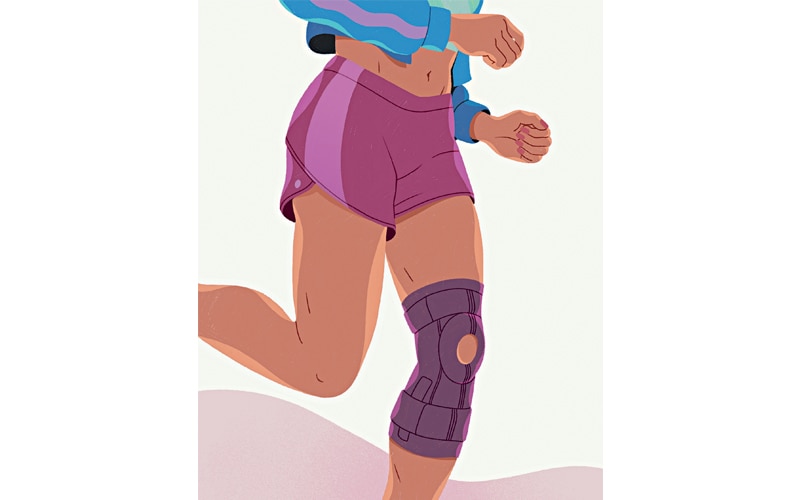 Illustration by Kate Traynor
How to Protect Your Joints
Of course, preventing joint pain is preferable to treating it once it occurs. While you can’t always avoid it—injuries and ageing happen—there’s a lot you can do to protect your joints, reduce inflammation and stay mobile. Here’s what medical experts recommend:
Stay Active and Stretch Regularly: Exercises like walking, cycling and swimming keep joints lubricated and muscles strong. Strength training helps support major joints like the knees and hips. “Lower-impact activities are more sparing to the joints, but all activity, sports, working out, is good,” says Dr. Noiseux. Daily stretching—especially hips, hamstrings and shoulders—can ease tension and improve mobility. Yoga or Pilates may also boost flexibility and relieve stress.
Watch your Weight: According to the Arthritis Foundation, losing just 4.5 kgs can relieve 18 kg of pressure from your knees and can additionally help slow joint degeneration.
Eat to Fight Inflammation: “A diet low in sugar and fats and rich in protein and vegetables is the best for a healthy musculoskeletal system,” says Dr. Noiseux. A Mediterranean-style diet rich in fruits, vegetables, whole grains, lean proteins and healthy fats has been shown to reduce inflammation and support joint health.
Practise Good Posture and Ergonomics: Wear supportive shoes. If you work at a computer, keep your screen at eye level and maintain neutral wrist and arm positions while typing. Take frequent stretch breaks.
Wear Protective Equipment: Depending on your activity, knee pads, wrist guards, elbow pads and ankle braces can all help prevent injury in vulnerable joints. Try dietary supplements—with your doctor’s OK. Supplements like glucosamine/chondroitin, hyaluronic acid, and turmeric or garlic extracts may offer mild relief, though research is mixed.
When to Seek Help
Occasional aches and pains are normal, but take note when joint pain becomes severe or chronic or interferes with daily activities. Knowing the red flags can help you catch serious issues early and prevent long-term damage. If you’re experiencing any of the following symptoms, experts say it’s time to get them checked out:
Swelling, Redness or Heat: These can indicate inflammation, gout or infection, especially if the pain is accompanied by fever or affecting multiple joints.
Joint Deformity or Immobility: A visibly misshapen joint or an inability to move it may signal a fracture or dislocation that needs urgent care.
Possible Infection: A single hot, red, swollen joint plus a fever could mean septic arthritis—seek medical help immediately.
Loss of Motion or Function: Gradually decreasing range of motion or strength may point to progressive joint damage.
Unexplained Symptoms: Fatigue, rashes, dry eyes or mouth, chest pain, or digestive issues with joint pain could suggest an autoimmune disease.
Severe or Persistent Pain: If the pain wakes you, limits daily activity or hasn’t improved after three days of rest, don’t ignore it.
To read more health stories, click here.