Exercising Cancer Away, Contact Lenses for the Dark and the Benefits of Looking Up
The latest in health news and medical research you need to know...

Exercise Cancer Away
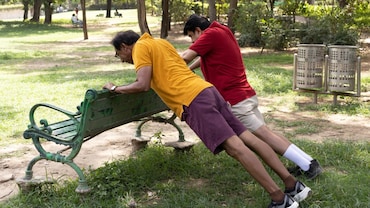
Prescriptions for exercise may soon join prescriptions for drugs as part of standard cancer treatment. A study of colon cancer patients in five countries found that people who added a structured exercise programme to their recovery cut their risk of disease recurrence by 28 per cent and their risk of death by 37 per cent over the 25 years of the study. Those numbers, say experts, are better than many cancer drugs. The finding, presented at the American Society of Clinical Oncology conference, is considered so important that regular exercise may soon become a routine part of cancer care.
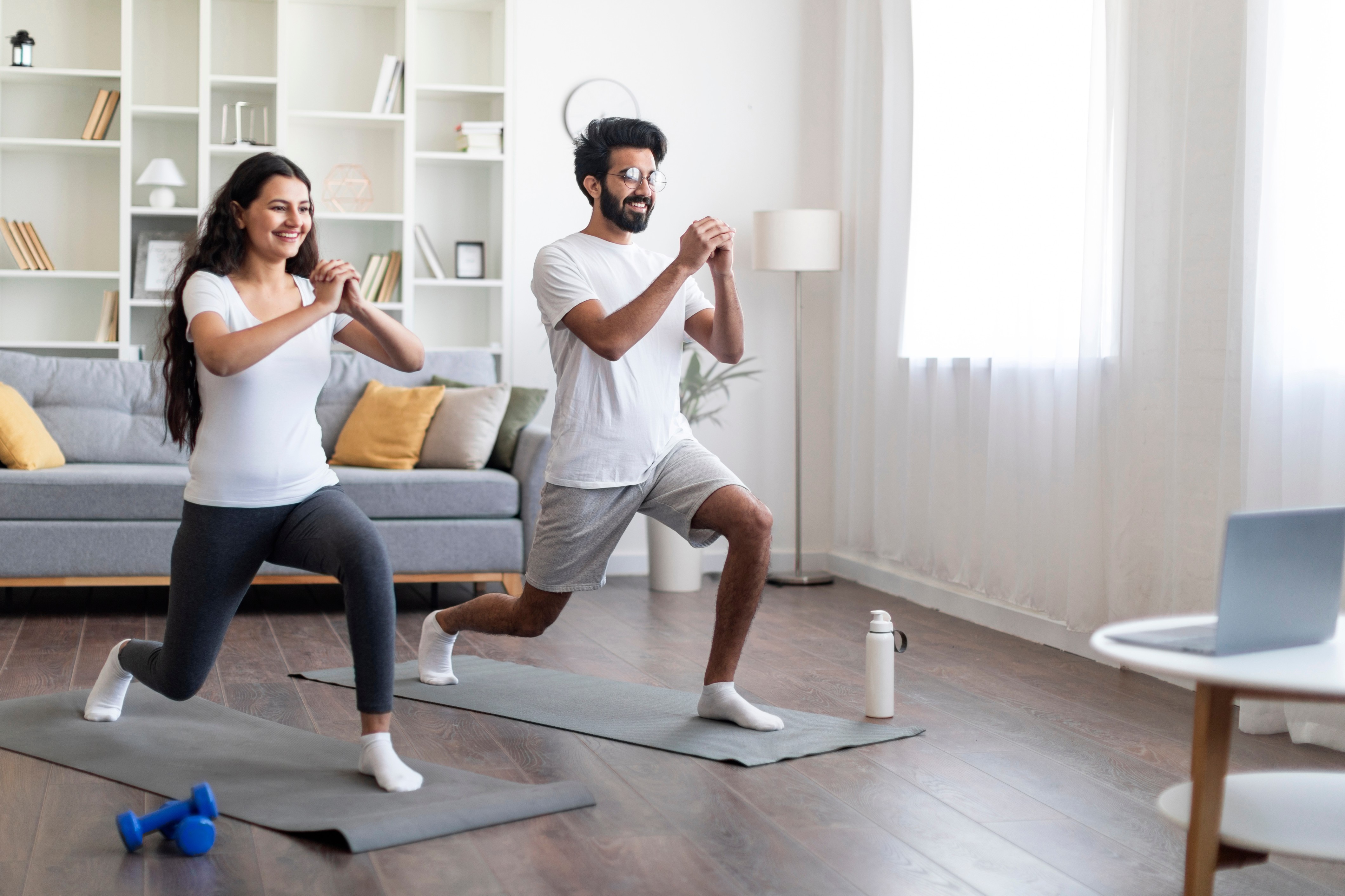 Photo Credit: Adobe Stock
See-in-the Dark Contact Lenses
Scientists are getting closer to giving people a real superpower: the ability to see in the dark. A contact lens developed at the University of Science and Technology in eastern China uses tiny nanoparticles that absorb infrared light, a part of the spectrum that is invisible to the naked eye. Until now, people who needed to be able to see in very dark or low-light conditions had to use bulky night-vision goggles or other devices. The newly developed contact lenses actually worked best when people’s eyes were closed, as infrared light can easily penetrate the eyelids. Besides helping people who need to work in low-light conditions, the new contact lenses may someday help people with colour-blindness to perceive colours more accurately as well.
Look Up in the Sky
Shorter days mean more opportunities to look up at the night sky...which may help ward off depression. A Yale University study of people suffering from long COVID-19 found that those who paused a few times each day to seek out something that inspired wonder had a 17 per cent drop in depressive symptoms and a 16 per cent rise in well-being compared with the control group. If you’re not a night owl, try looking at something else that inspires awe, such as clouds, the colours in a garden or birds flying.
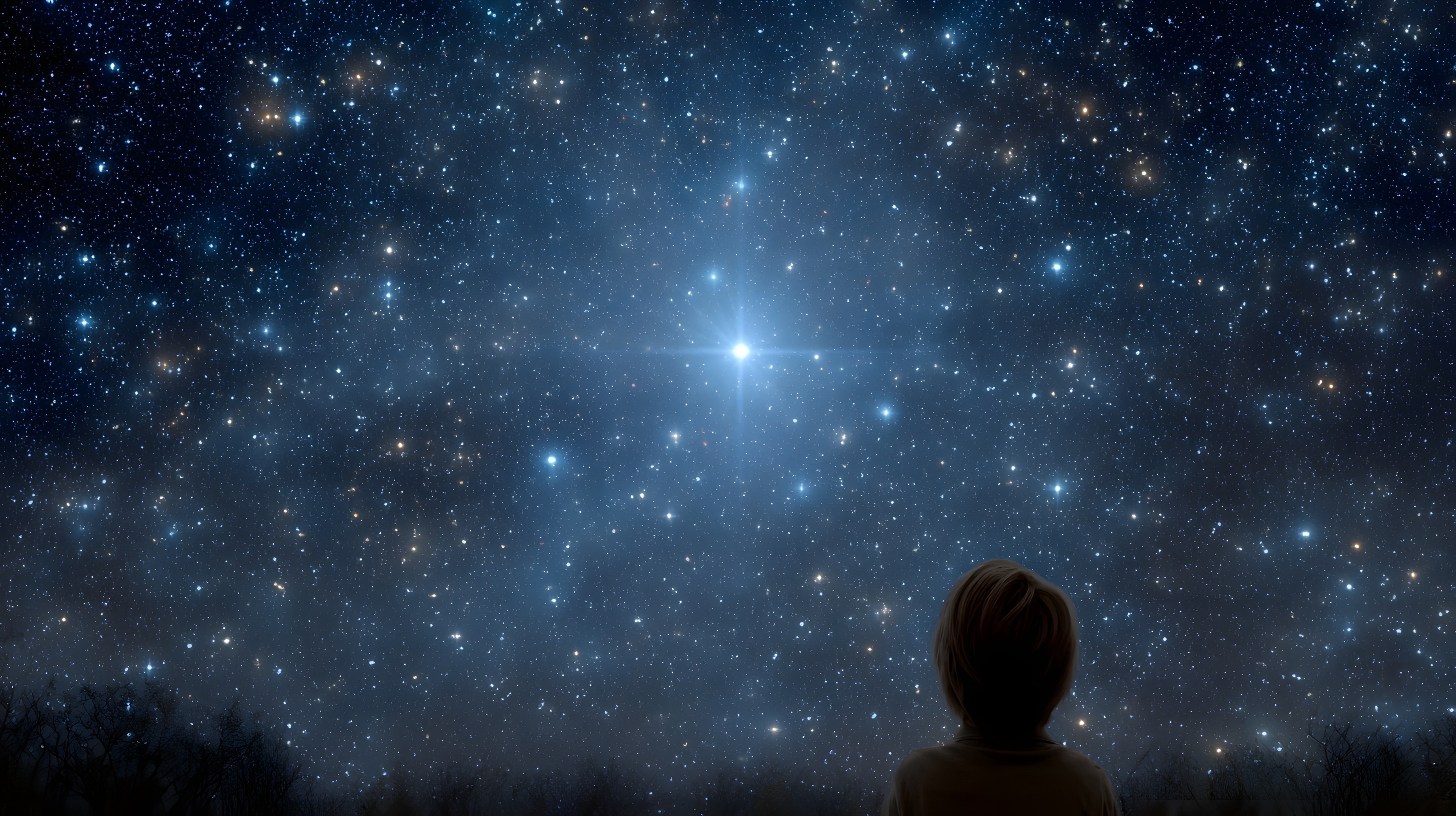 Photo Credit: Adobe Stock/ AI
Research by Molly Jasinski and Emily Surpless
For more such stories, click here.