- HOME
- /
- Culturescape
- /
- Me & My Shelf
- /
Jerry Pinto on his 10 Favourite Books
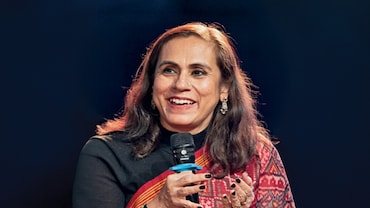
Jerry Pinto wears many hats: Known mostly for his writing, the Mumbai-based wordsmith is also a self-confessed topiarist, curmudgeon and ruthless inventor of selves. He won the National Award for the Best Book on Cinema in 2006 for Helen:The Life and Times of an H-Bomb. Pinto's first novel Em and the Big Hoom received the 2016 Sahitya Akademi Award; he was the recipient of Yale University's Windham-Campbell Prize (2016) for fiction writing. His 2017 book Murder in Mahim goes beyond the genre of the murder mystery to explore deeper human emotions. His most recent work is 2025's A Good Life: The Power of Palliative Care.

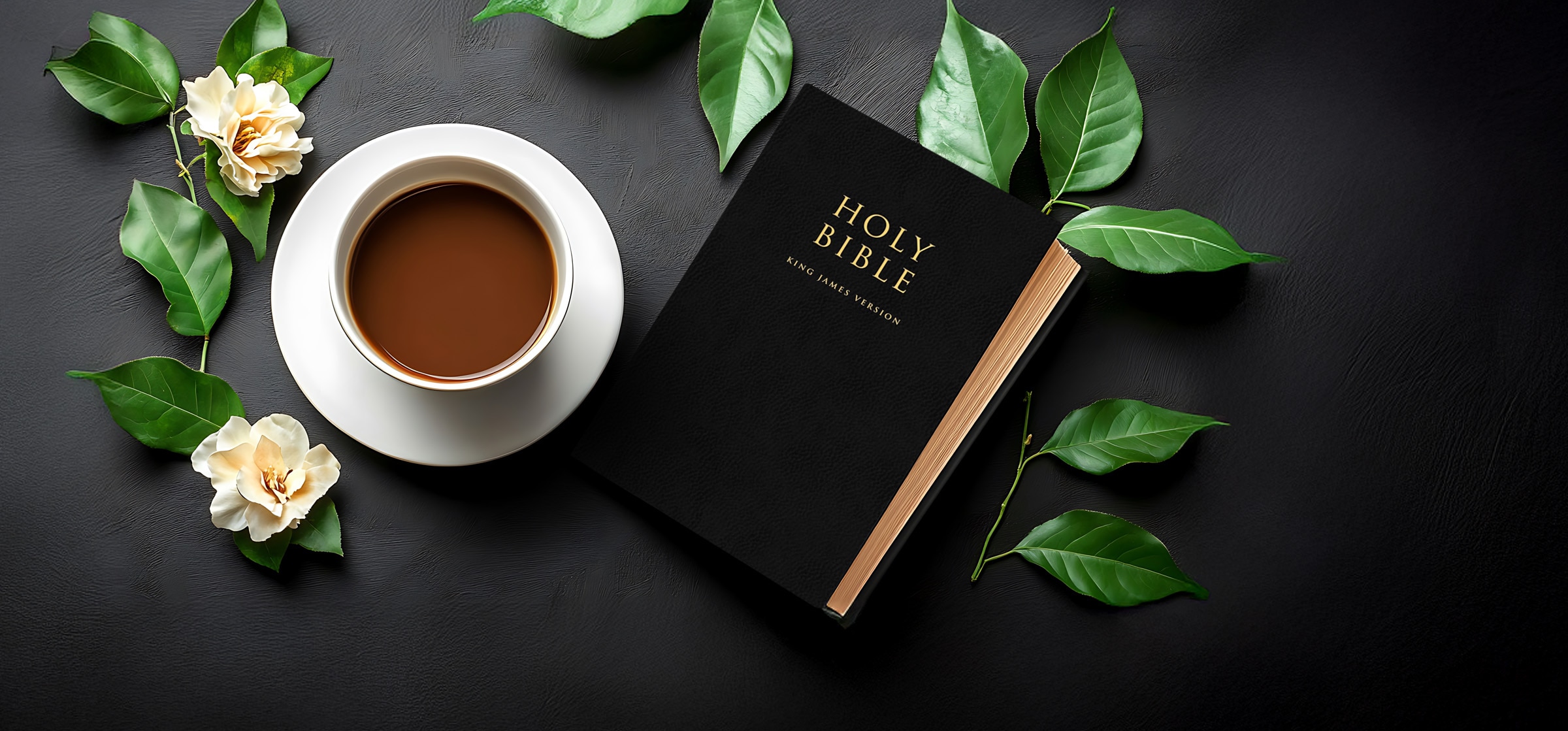
Holy Bible, King James Version, Collins
This version of the Bible created much of what we call the English language today. But also for the radical figure of Jesus Christ, and his message of turning the other cheek, loving one another and one's enemies, the first being last and the last being first, blessed are the peacemakers, not judging others.
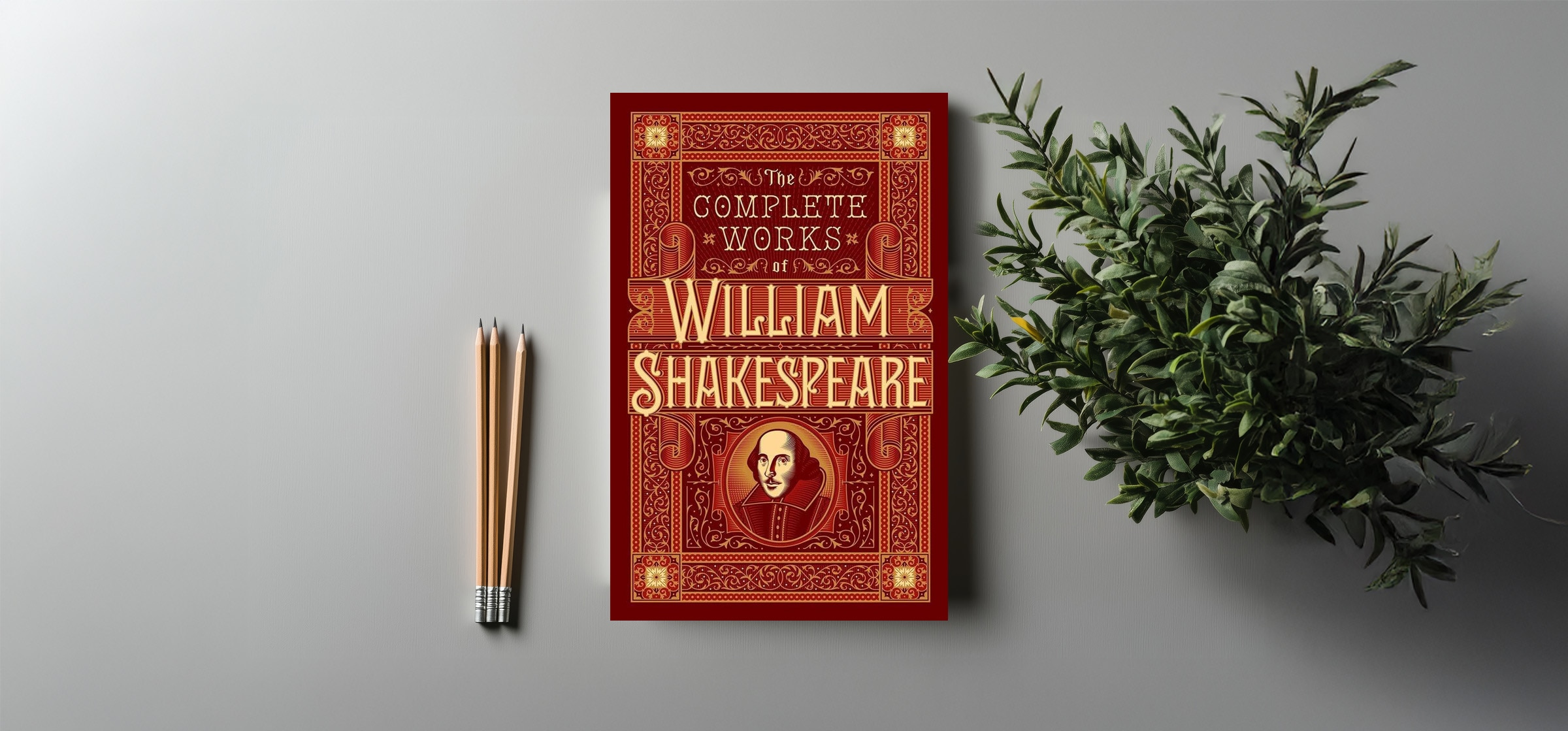
The Collected Works of William Shakespeare, Barnes & Noble
I began reading this as part of my education. I found myself bored … until I started reading them aloud. Then they exploded in my head. I read until I grew hoarse through the whole of a summer. I try to re-read one play every year and rediscover things I forgot.
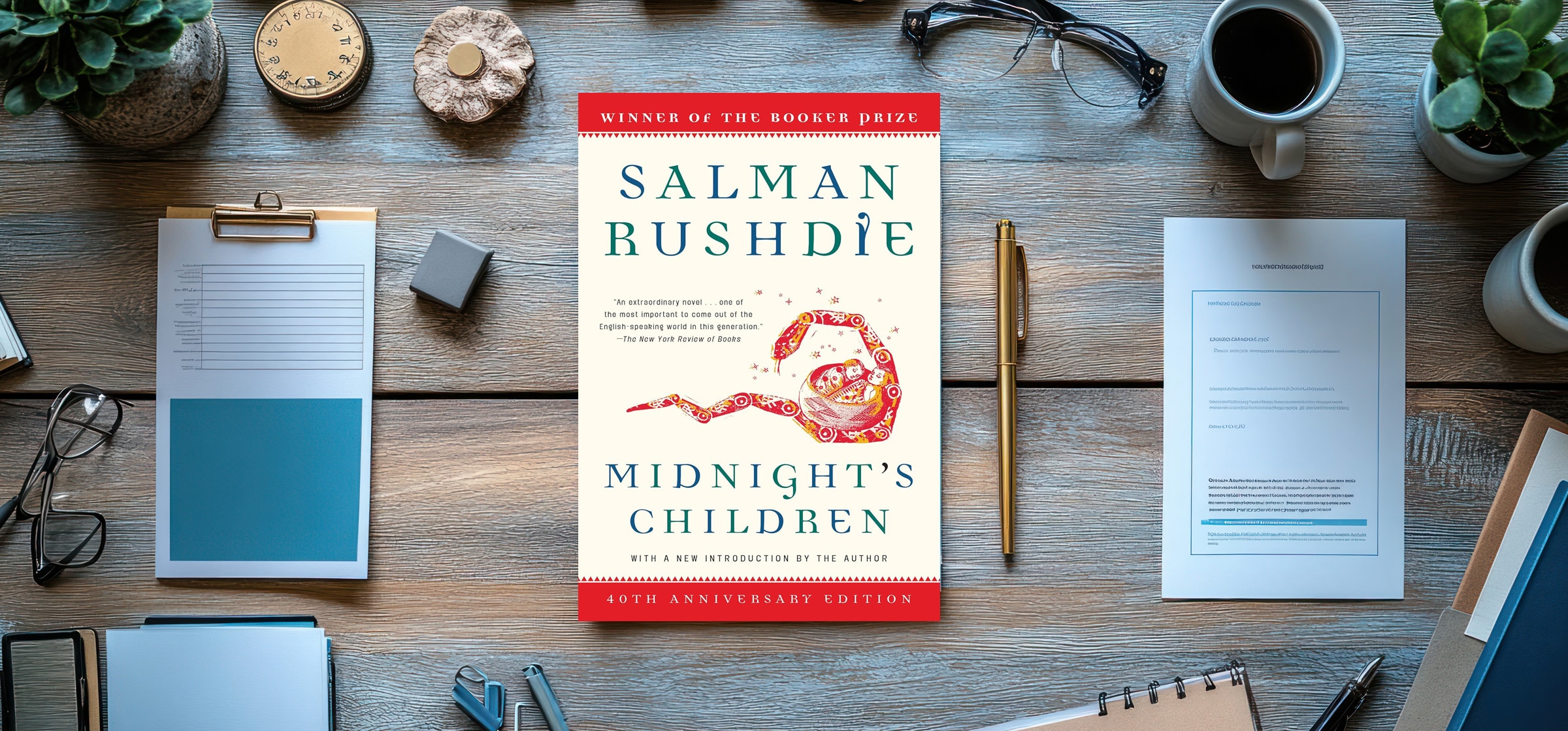
Midnight's Children by Salman Rushdie, Random House UK
I remember thinking as I read this in a rush of excitement: this is like eating a thali, it's got a bit of everything. High seriousness, the workings of history, the notion of language, mad humour, strange puns … this one novel had it all.
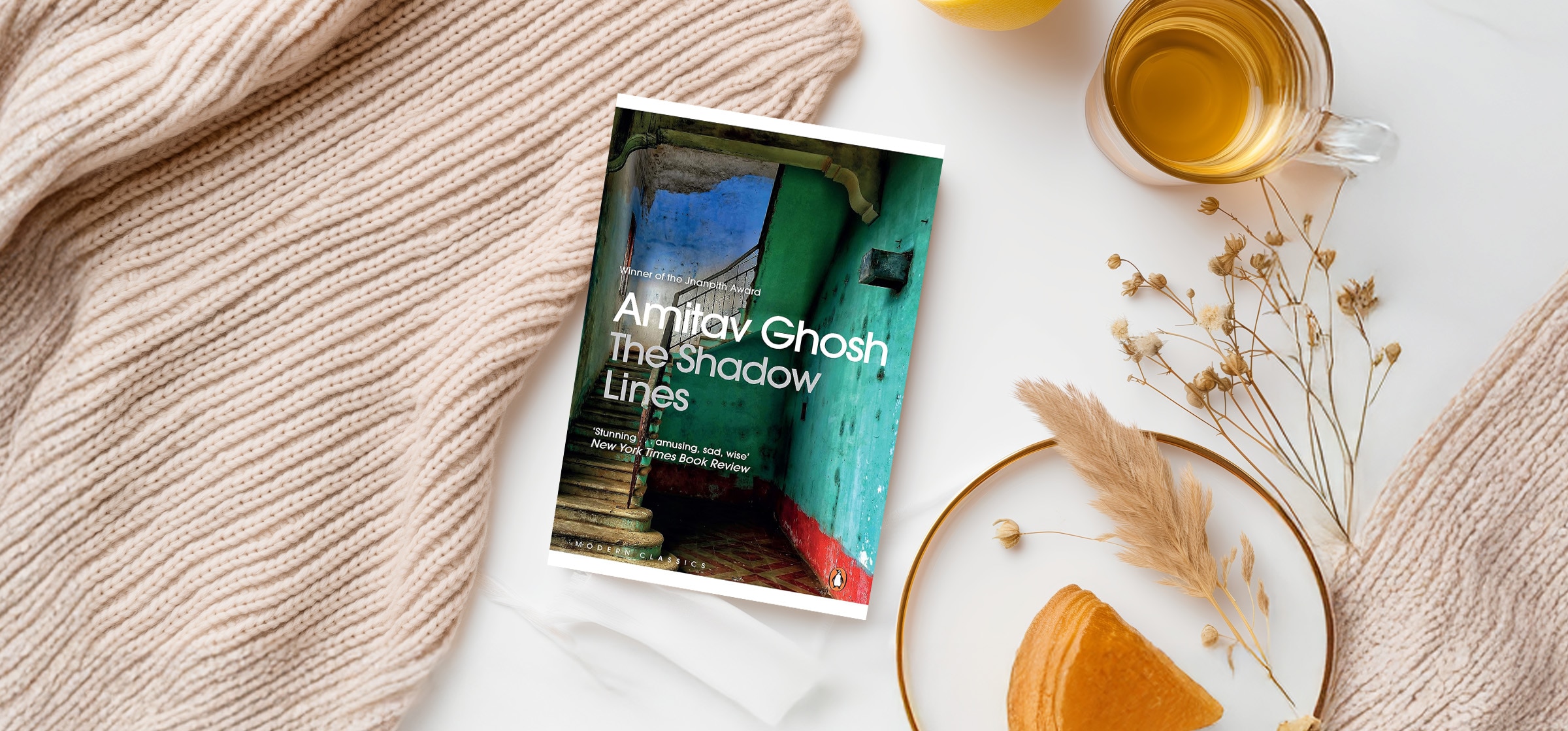
The Shadow Lines by Amitav Ghosh, Penguin India
This book reminds us of the power of memory. The young narrator, a clear-eyed observer, drew me into the texture of the novel so that at the end, it has become part of my history, my story.
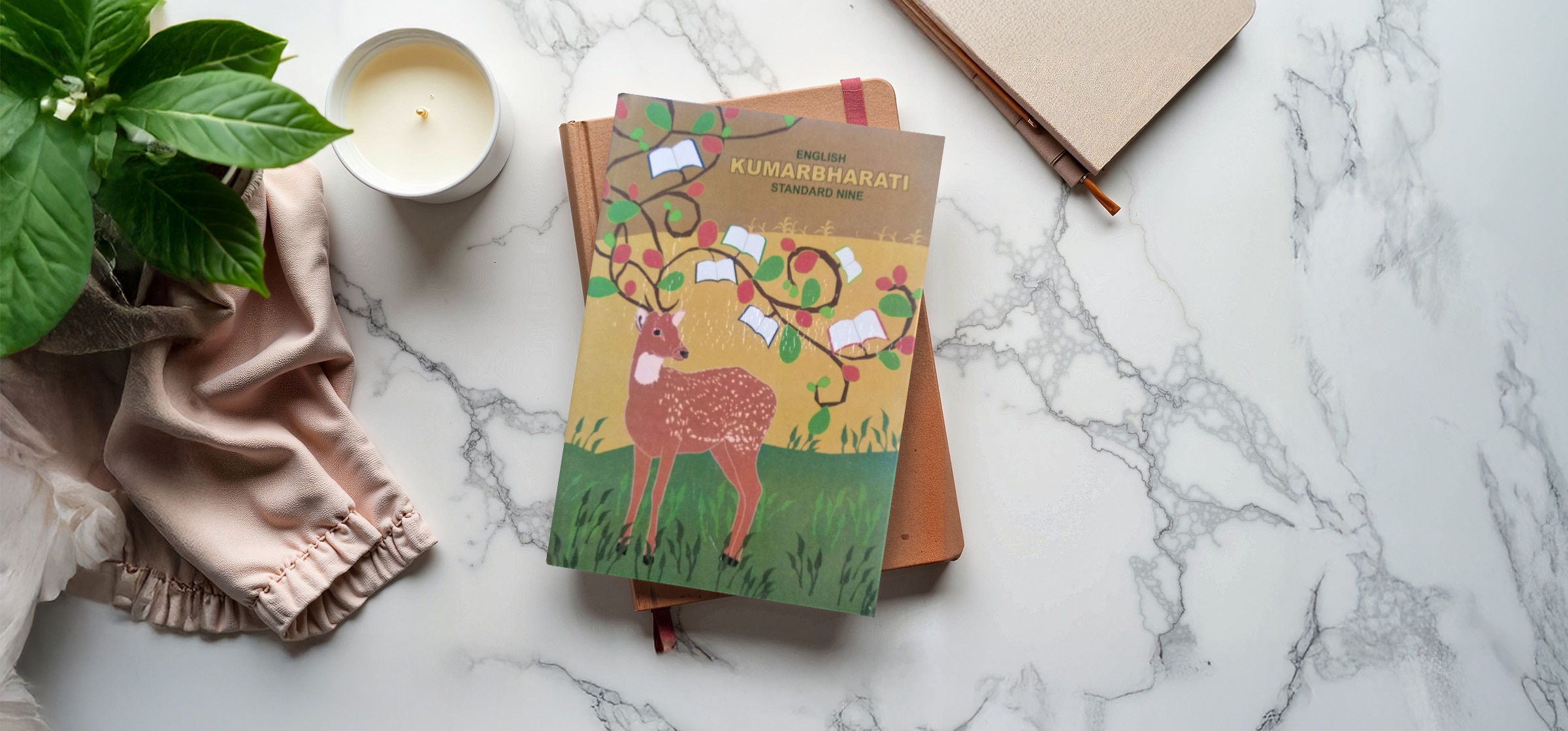
Kumar Bharati English Reader, SSC Board, Maharashtra, 1980 edition
I don't know what the readers are like now at the state-board level, but this was a radical text, put together by some wonderfully anti-war people. The poetry section was magnificent. It started out with Stephen Spender's Ultima Ratio Regum and introduced me to the first poem to make me cry-Futility by Wilfred Owen. Also the lovely Meeting at Night by Robert Browning with its sibilant sounds, such a far cry from Porphyria's Lover.
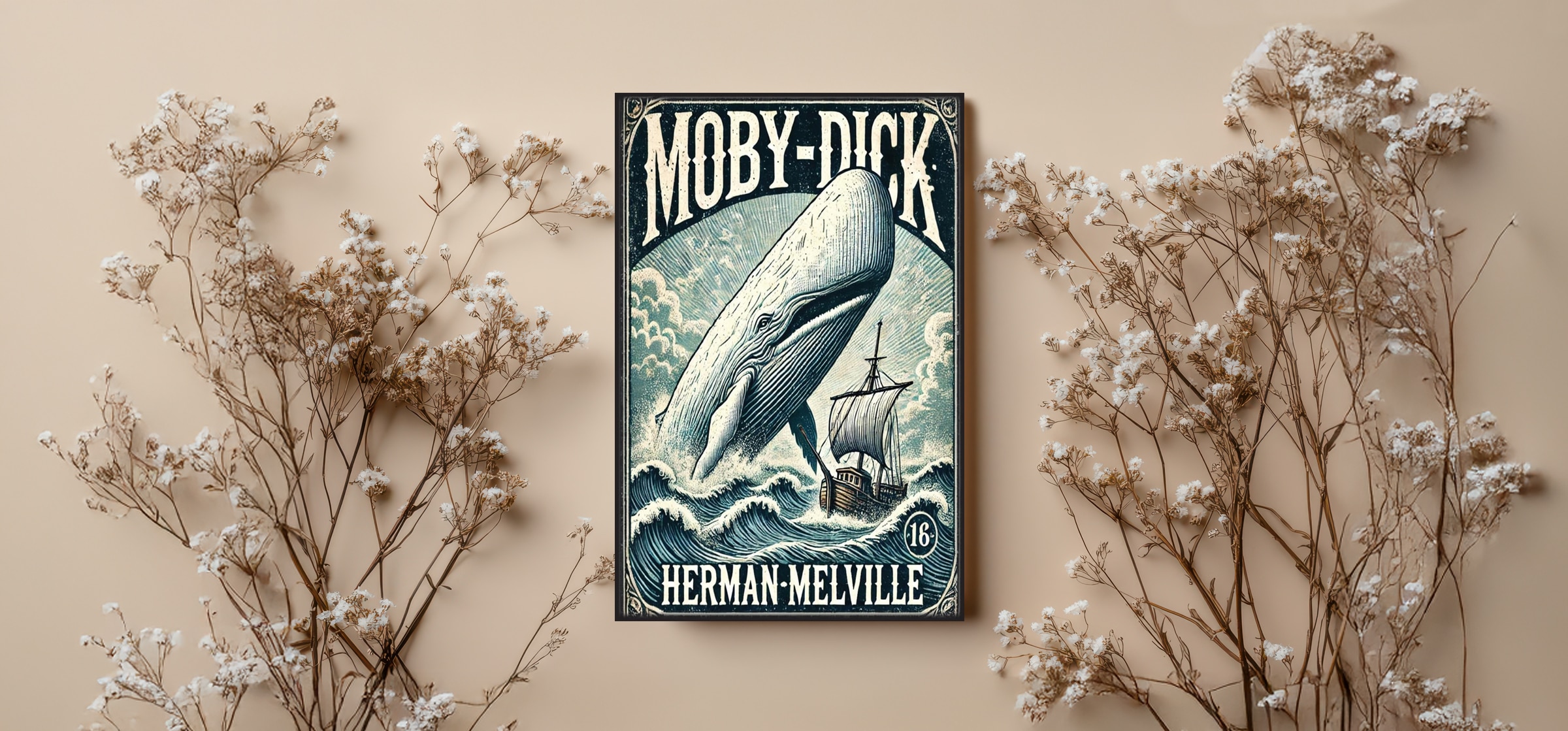
Moby-Dick by Herman Melville, Penguin Classics
This is not a book so much as it is an encyclopaedia. Herman Melville seemed to be reinventing the novel without even wanting to. So much of it has gone into our way of thinking about obsessions, starting with "Call me Ishmael".
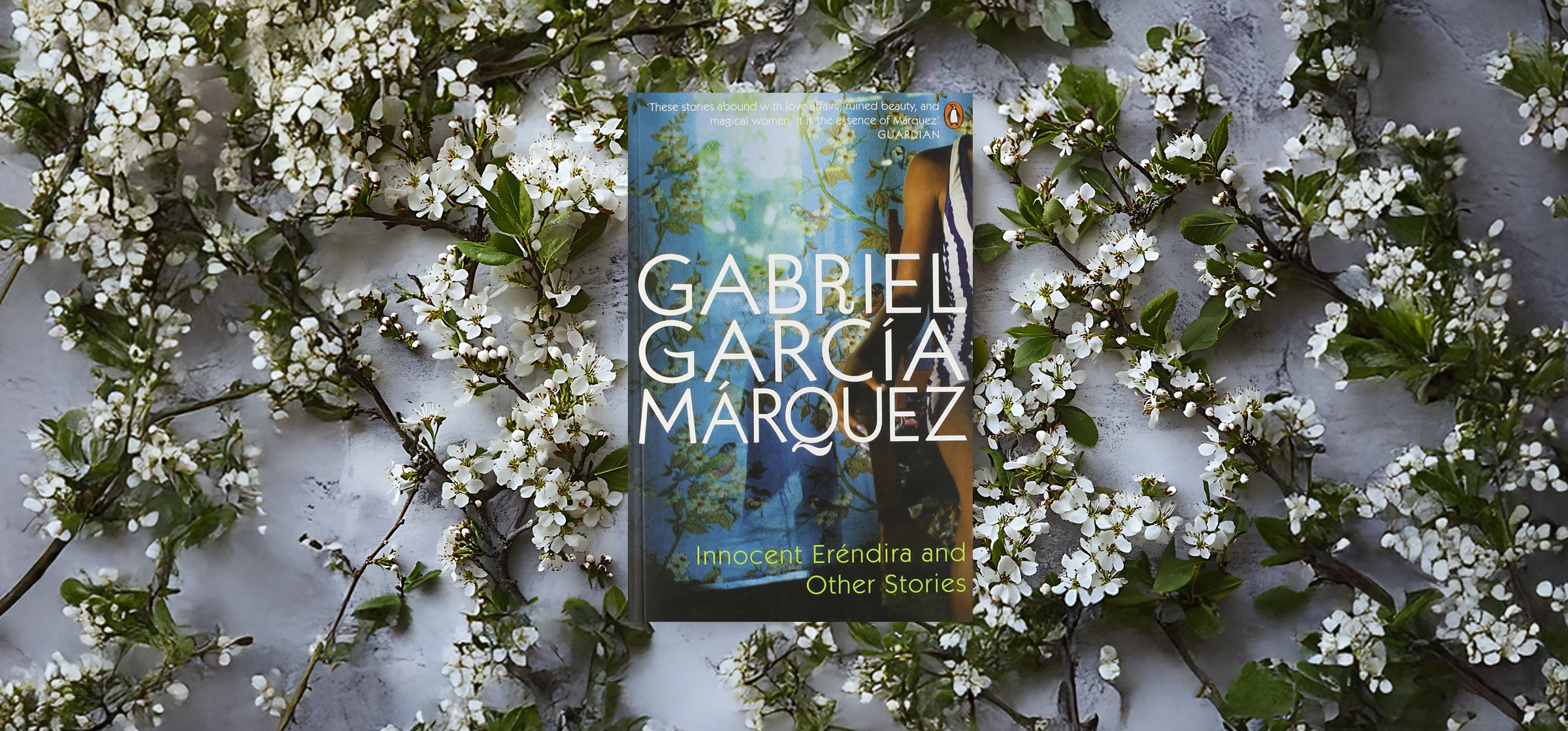
Innocent Erendira by Gabriel Garcia Marquez, Harper Perennial
This was my introduction to magical realism from South America. Started me off on a reading spree that took in many other writers from the area, from Isabelle Allende to Clarice Lispector, from [Mario Vargas] Llosa to [Jorge Luis] Borges and now [Roberto] Bolano.
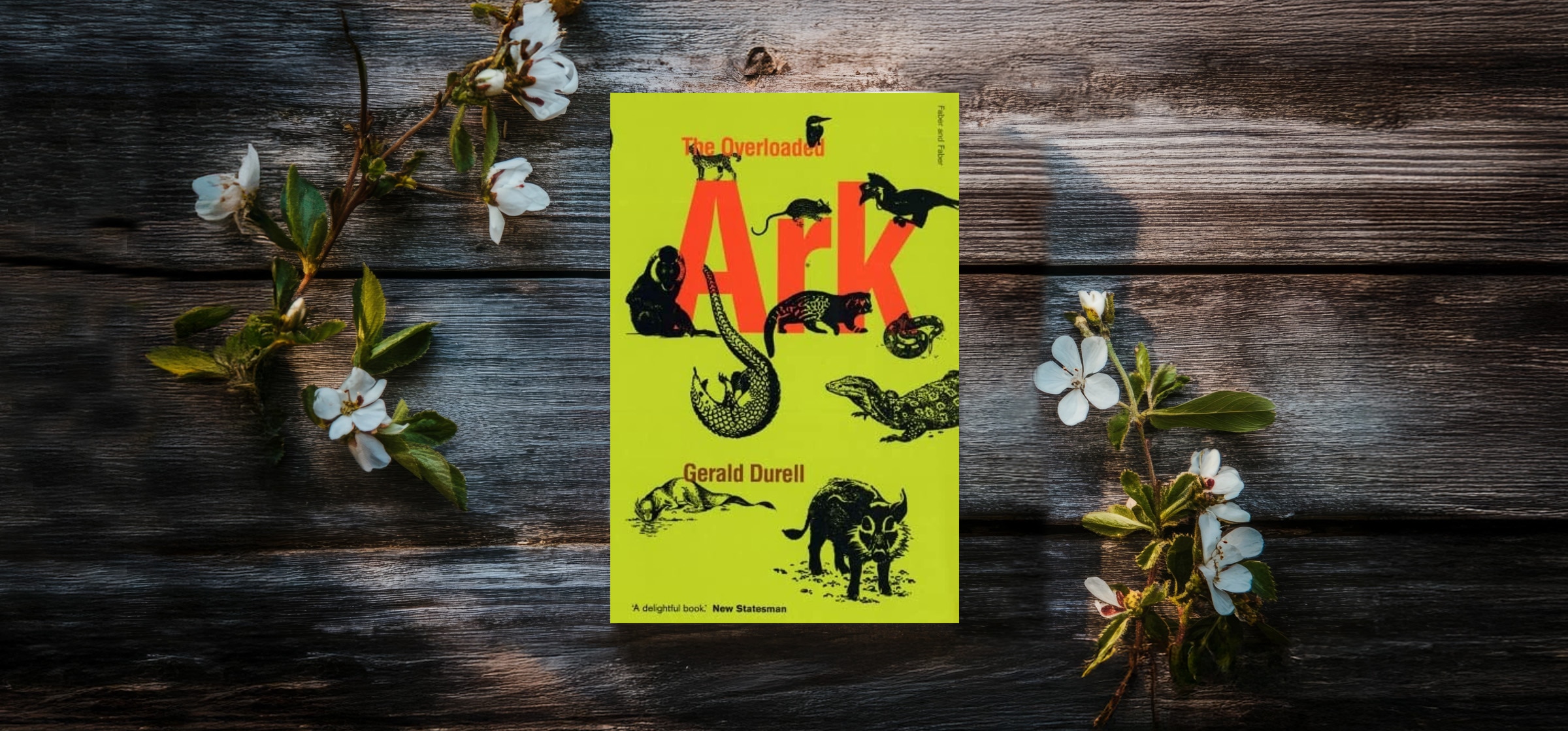
The Overloaded Ark by Gerald Durrell, Faber & Faber
I read and re-read this so often that our copy fell apart. At first, it was because of the animals and the wonderful life that Gerald Durrell seemed to be leading, but later I began to see how he was also a great writer with a magnificent gift for description.
A Clockwork Orange by Anthony Burgess, Penguin UK
I think I was in junior college when I chanced upon Anthony Burgess's masterwork. Written in an invented language, the first page was the challenge, and then as you slid into it, you felt a sense of exultation: I got it, I got it. Burgess achieves a magnificent moment where you must root for violence to celebrate freedom.

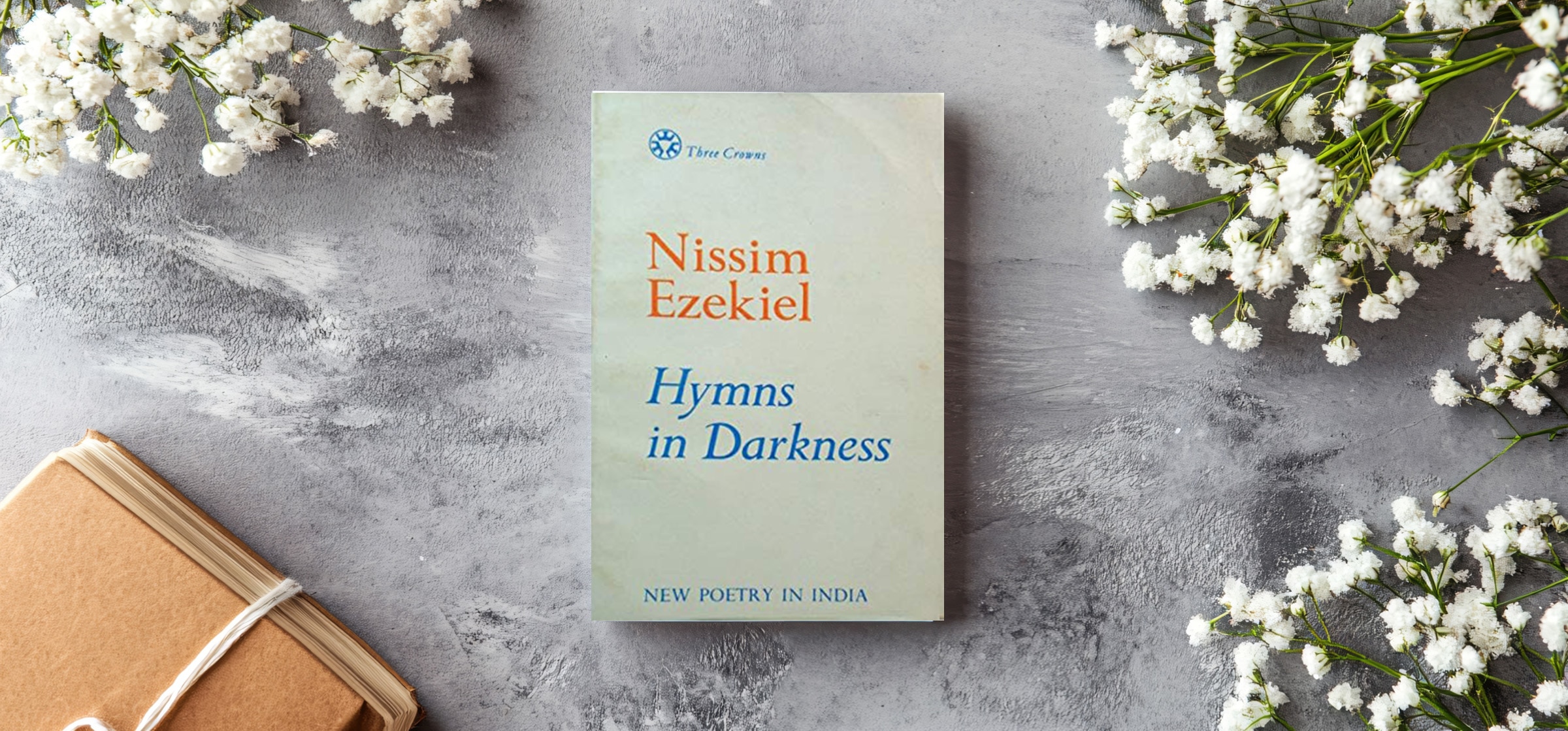
Hymns in Darkness by Nissim Ezekiel, Oxford University Press
The first book of Indian poetry I read, standing up in the New & Second-hand Book Centre in South Mumbai. Something about its ordinary, everyday tone and interrogation of the most powerful force in human lives drew me to it. Even more so because I could then go and talk to the writer who was right around the corner from where I worked, and always up for a chat and a cup of tea.