- HOME
- /
- Culturescape
- /
- Me & My Shelf
- /
Kavitha Rao's 10 Favourite Reads of All Time
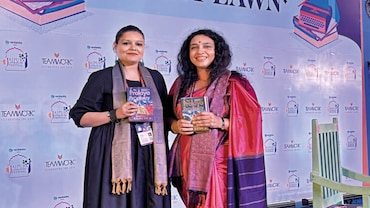
Kavitha Rao is a London-based journalist, former lawyer and author of four books. Her third book, Lady Doctors: The Untold Stories of India’s first Women in Medicine was a bestseller and long-listed for several awards. Her latest book is Spies, Lies and Allies: The Extraordinary Lives of Chatto and Roy (Westland).

The Patient Assassin by Anita Anand, Simon and Schuster
This thrilling biography of the revolutionary Udham Singh deserves to be better known in India. Udham Singh was the man who assassinated Reginald O’Dwyer, the man responsible for the Jallianwala Bagh massacre, waiting 20 years to get his revenge. We need more popular histories of India, and this is as accessible as history gets.
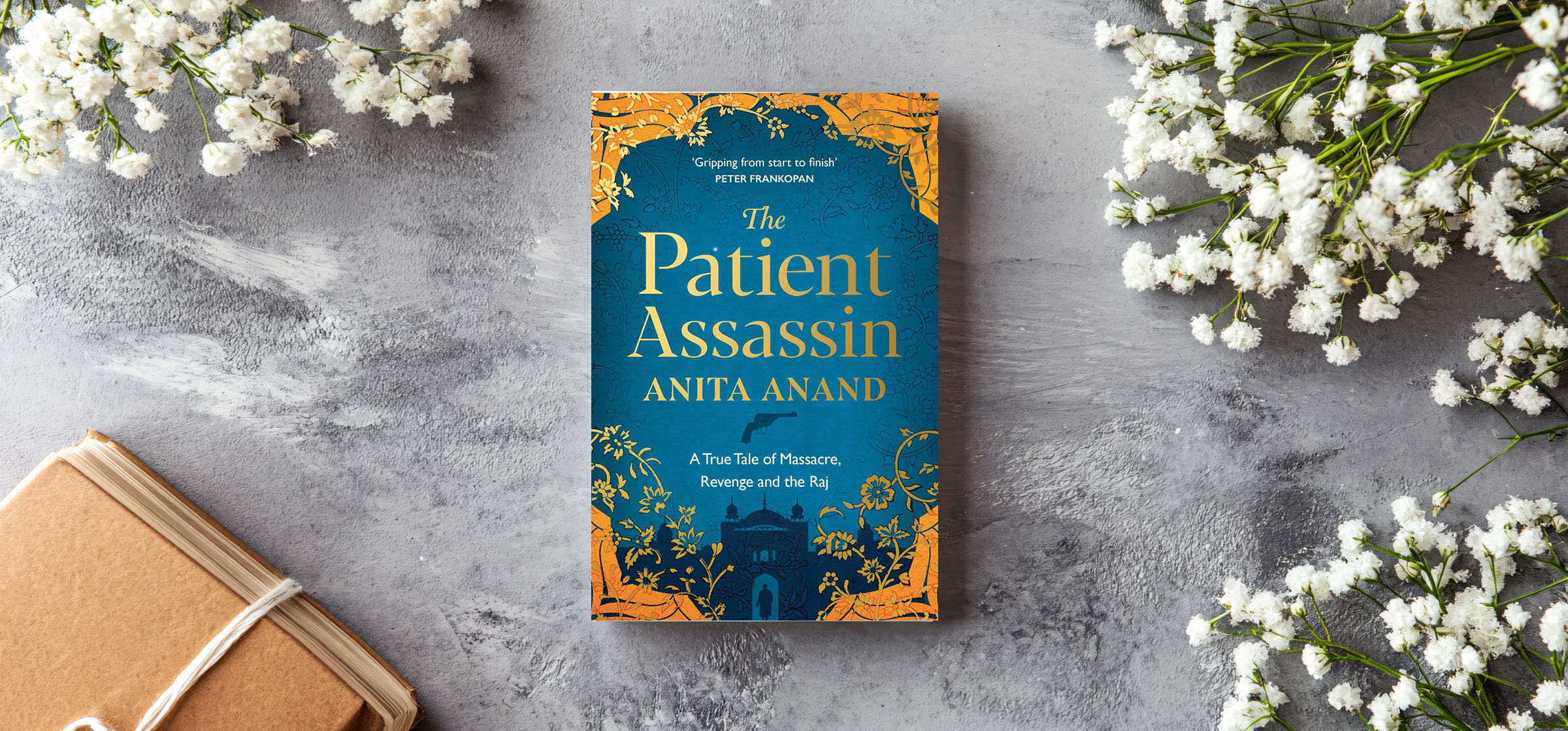
The King Must Die and The Bull From the Sea by Mary Renault, Everyman’s Library
Nobody does historical fiction better than Mary Renault, a South African writer who breathes life into ancient Greece. This duology is about the myth of Theseus and the Minotaur. Like all great historical writers, Renault transforms Theseus from mythical hero into a living, breathing, fallible person.
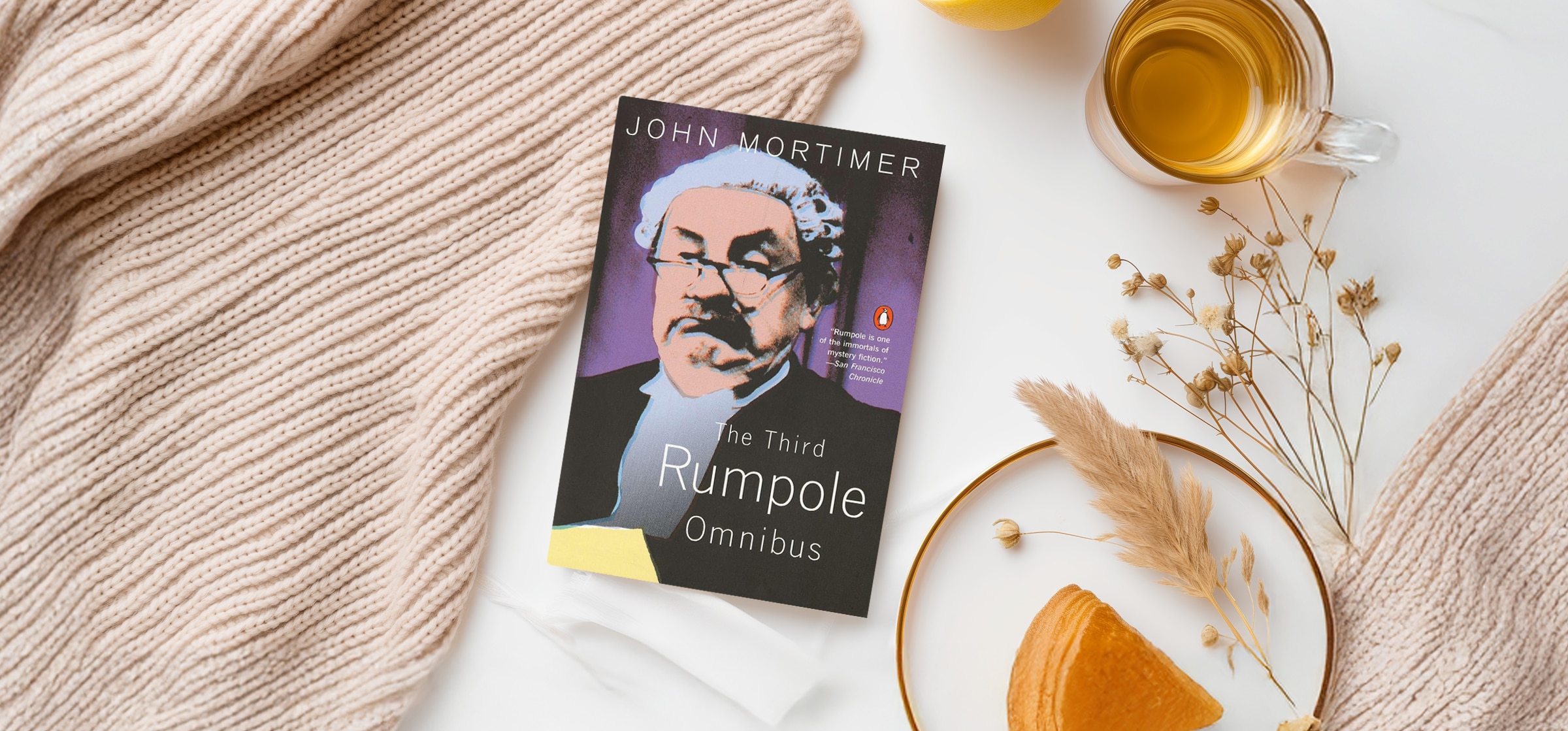
The Rumpole Chronicles by John Mortimer, Penguin
A worthy heir to P. G. Wodehouse, Mortimer’s Horace Rumpole is a barrister at the Old Bailey who champions the underdog, married to a battleaxe who he calls ‘She who Must Be Obeyed’. Mortimer’s humour is gentle but biting when it needs to be, entertaining but deeply compassionate.
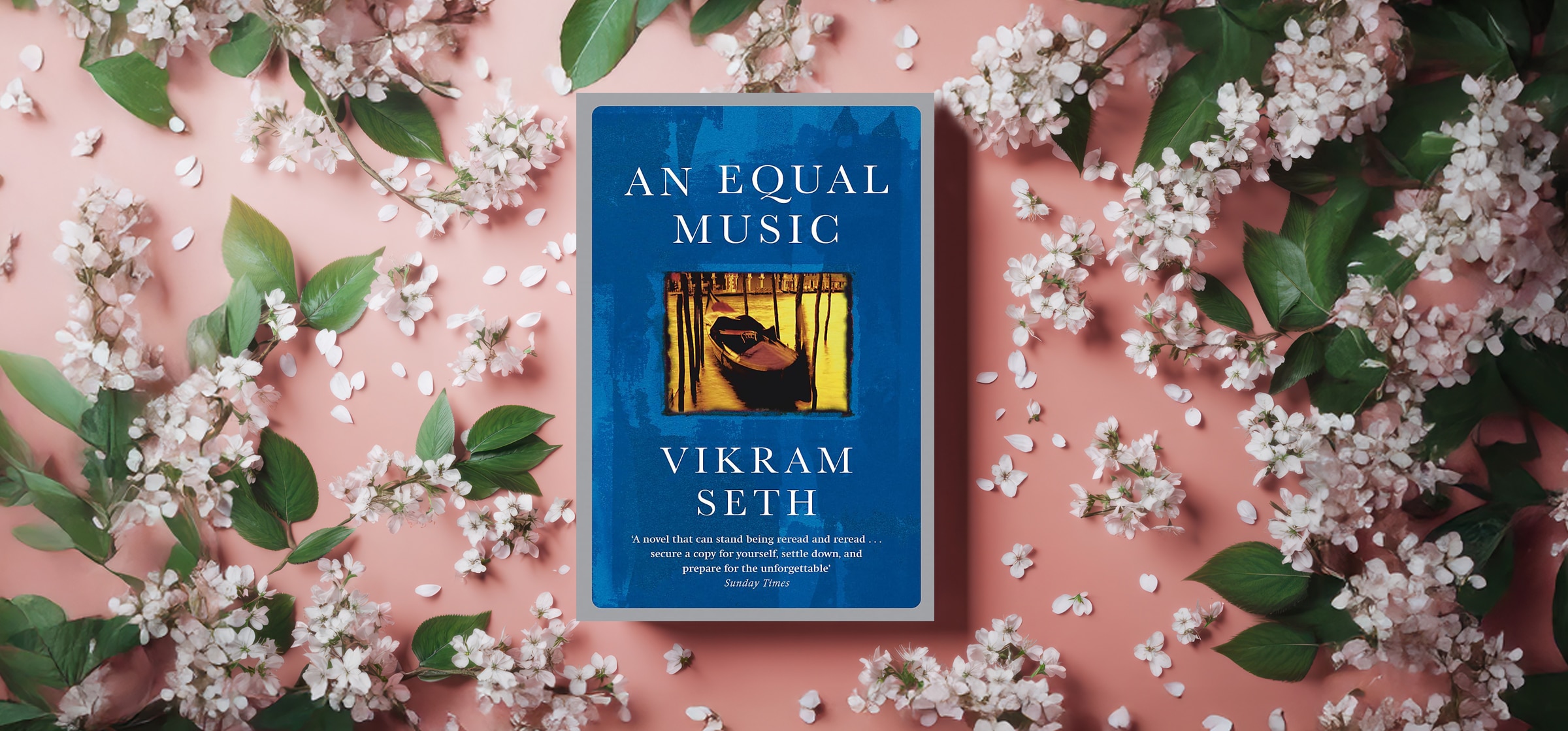
An Equal Music by Vikram Seth, Penguin
Most people know Vikram Seth for A Suitable Boy. I have always preferred this book, a passionate ode to classical music, which bravely contains no reference at all to India. Seth’s beautifully sparse prose and his palpable love for music drew me into this world of Bach, fugues, and prized violins.
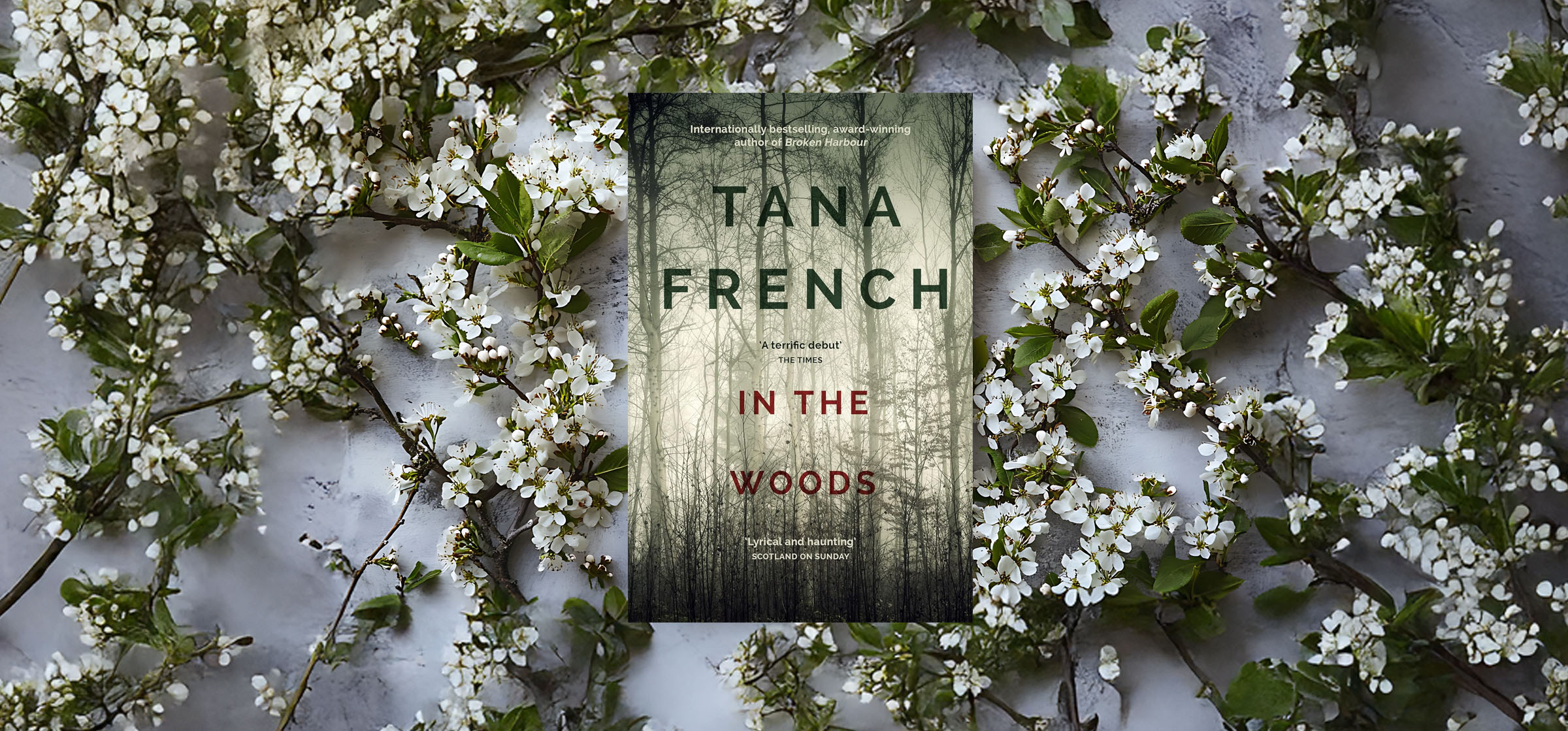
In The Woods by Tana French, Penguin
I am a huge crime-fiction fan, and I believe great crime fiction is as good as any literary fiction—sometimes better. The Irish writer Tana French is arguably our greatest living crime novelist. This, her incredibly assured debut, introduces the Dublin Murder squad.
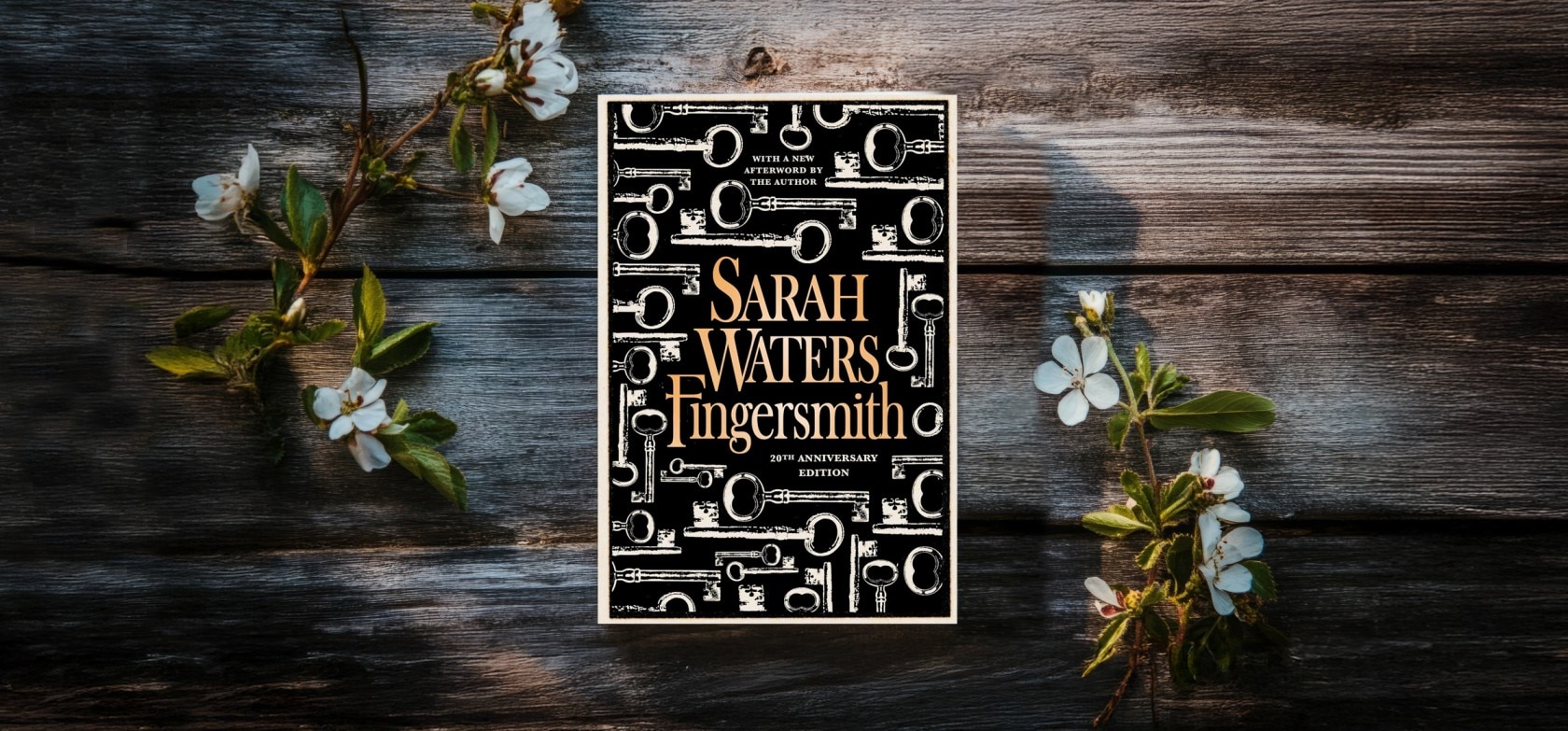
Fingersmith by Sarah Waters, Virago
As a newish Londoner who loves the city, I also love books that explain its history. Sue Strinder is a wily Victorian orphan and pickpocket in London’s Southwark, who tries to con a rich woman out of her money. Twists, turns and reversals of fortune follow, set against a Dickensian London. Just a cracking good yarn all round, with pin-sharp dialogue.
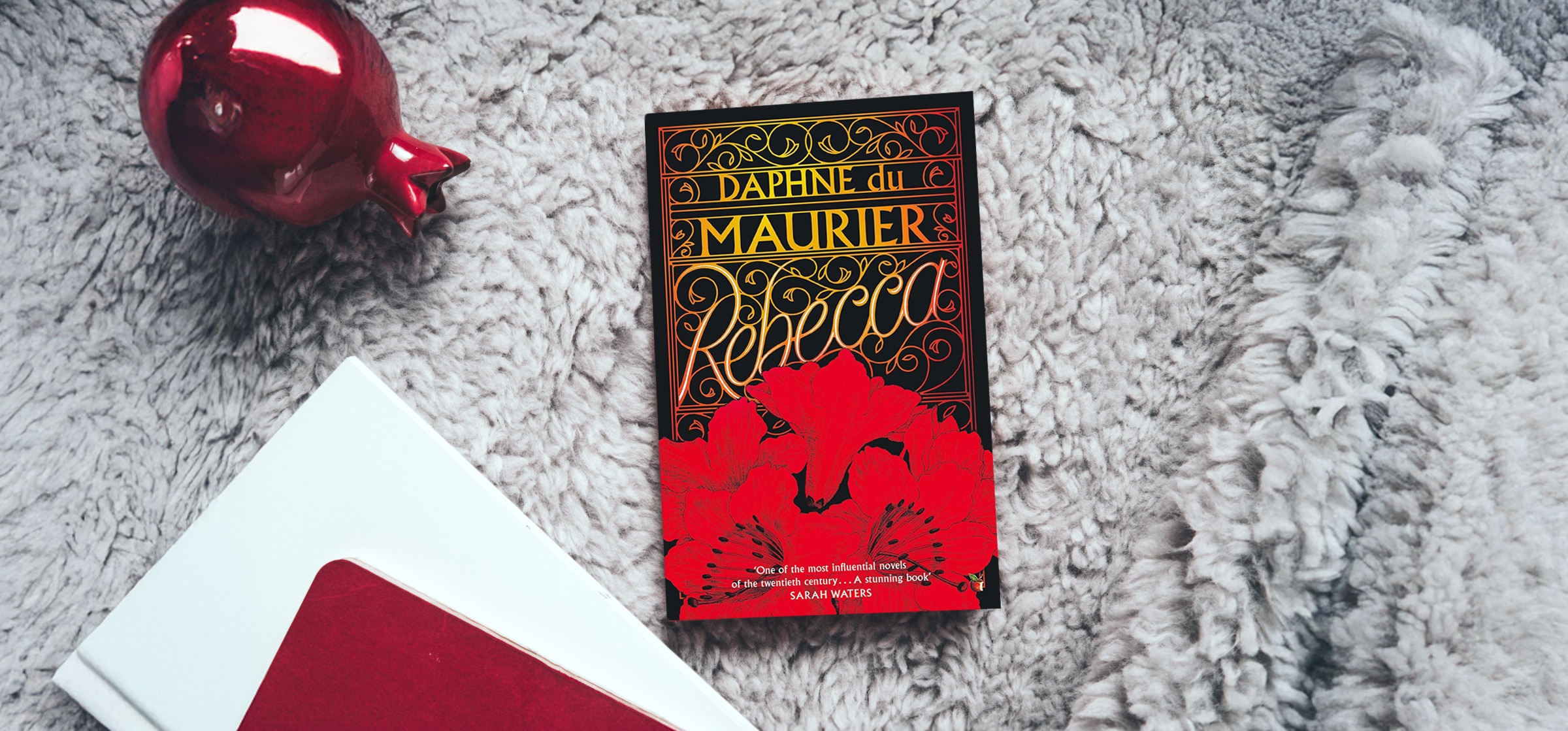
Rebecca by Daphne Du Maurier, Virago
From the mysterious first line, “Last night I dreamt I went to Manderley again”, this Gothic masterpiece is unputdownable. I first read it as a starry-eyed teen, believing—like most—that it was a romance between a rich, glamorous widower, and an inexperienced younger woman. Actually, it’s about power, control and misogyny. It was dismissed when it came out as ‘here today, gone tomorrow’, but has never gone out of print.
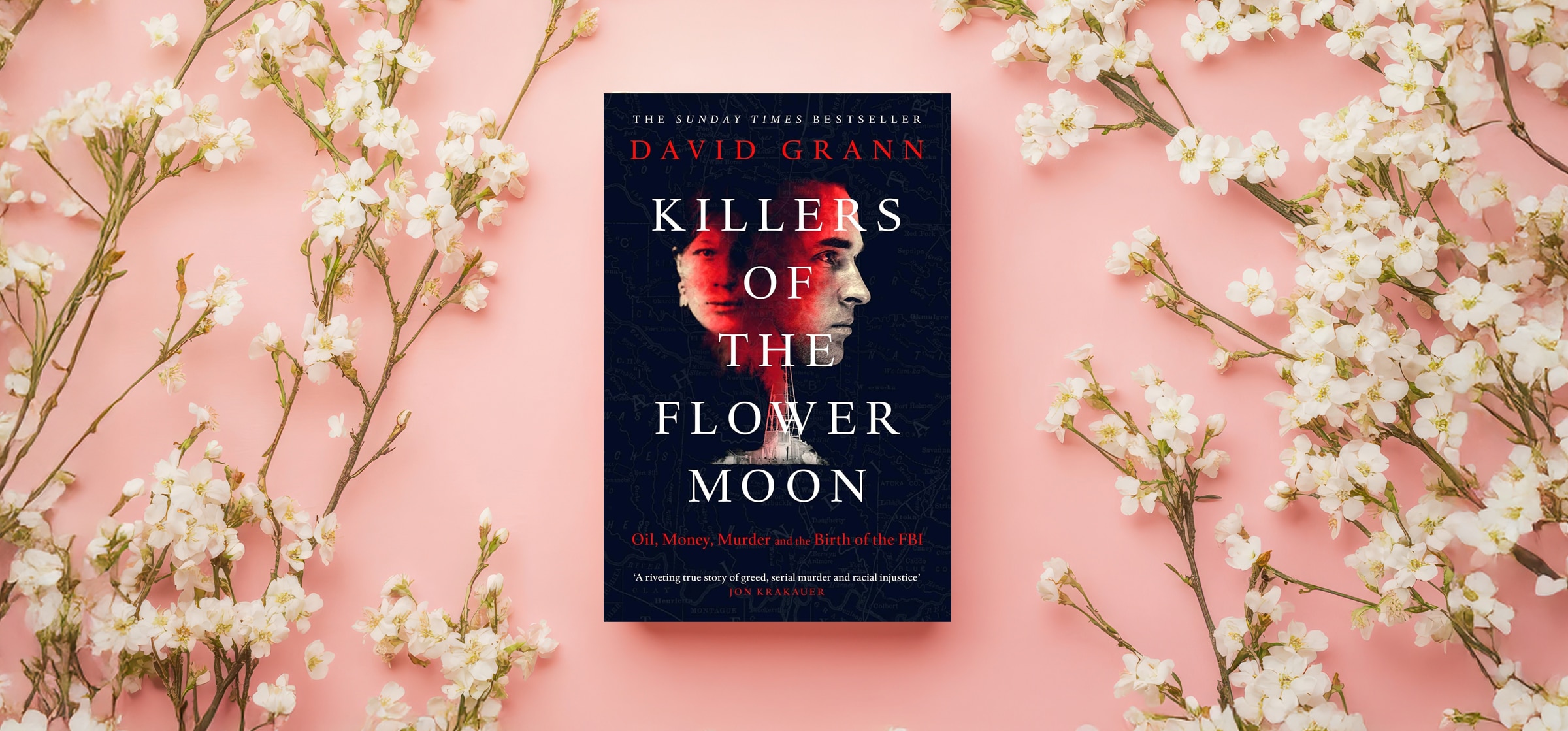
Killers of the Flower Moon, by David Grann, Simon and Schuster
Great non-fiction should read like fiction. David Grann is a staff writer for The New Yorker, and his storytelling has been a huge influence on my own writing. This expose of the Osage community murders and the founding of the FBI is an incredible feat of journalistic detective work. The movie was good, the book—outstanding.
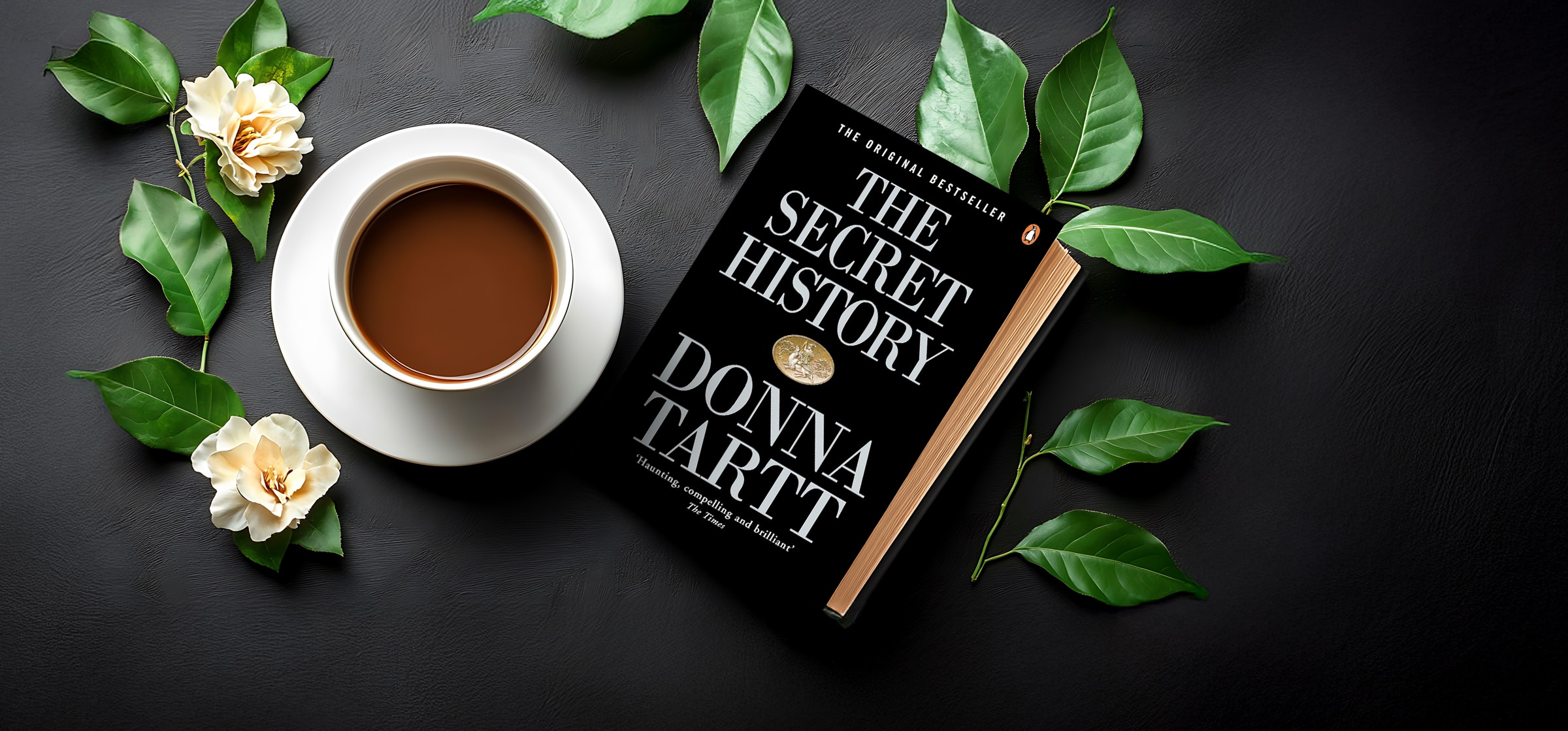
The Secret History by Donna Tartt, Penguin
A coming-of-age novel meets Greek tragedy meets psychological thriller. A group of nerdy Greek students get mixed up in terrible events, with life-long consequences. Tartt borrows from Dosteovsky’s Crime and Punishment, exploring the corrosive fallout of guilt.
Wolf Hall by Hilary Mantel, Fourth Estate
As a writer of historical non-fiction about forgotten characters in Indian history, my favourite book had to be this deeply researched historical novel, which uncovers the true Thomas Cromwell. This massive book—the first in a trilogy—is not an easy read. Mantel writes this book in third person limited present tense—a brave choice, and, as many readers have found, there are a confusing number of Thomases! But like all great, enduring books, it repays persistence.