- HOME
- /
- Better Living
- /
- Pets
- /
Is Your Pet Overweight?
Our society is becoming increasingly overweight and so are our pets. Similar to humans, overweight pets have a much higher risk of disease and other health problems. Veterinarian Dr Katrina Warren shares her expert advice on the causes, issues and remedies for overweight dogs and cats.
 Photo Credit:© Getty Images
Causes
Put simply, weight issues occur when a pet consumes more kilojoules than they use. Owners are a key part of the problem because they ultimately decide what and how much the pet eats. Other contributing factors include:
Lack of Exercise
Regular exercise helps keep dogs in shape, as sedentary dogs are more likely to gain weight than active dogs. And, as cats no longer need to hunt for their food, they typically enjoy a comfortable lifestyle, lazing around indoors.
Ad-Lib Feeding
Food should always be adjusted to a pet’s energy requirements. Yet many owners provide constant access to food, assuming the pet will regulate its own intake. This is especially true of cat owners.
Too Many Treats
It’s easy to fall into the trap of feeding your pet whenever they beg for food. However, all those snacks add up to extra kilojoules.
Breed Differences
Some dog breeds, such as Labrador Retrievers and Beagles, are hard-wired to smell out food. These breeds are known for constantly looking for, and often stealing, food. A strict diet can be helpful for these breeds.
Health Problems
Recent estimates suggest over a third of all pets are overweight, making them prone to a raft of health issues.
Disease and Health Issues
Diabetes and cardiac disease top the list of weight-related pet disorders. Overweight pets can become less mobile and this can lead to a host of health issues such as joint pain and respiratory problems.
Quality of Life
Obese pets will generally have a shorter life span, an overall lower quality of life and compromised welfare when com-pared to pets that are maintained at a healthy weight.
Remedies
Fortunately, there are plenty of diet and lifestyle changes you can implement to help your pet lose weight and/or maintain a healthy weight. Visit your vet for advice and to rule out underlying medical causes, and consider the following strategies:
More Dog Walks
Most dogs will benefit from more exercise but be sure to make any increases gradual.
Extra Activity for Cats
Try encouraging your cat to work for their food. Instead of putting food in their bowl, sprinkle some around your house so your cat must find it. Provide them with things to climb, scratching posts and interactive toys.
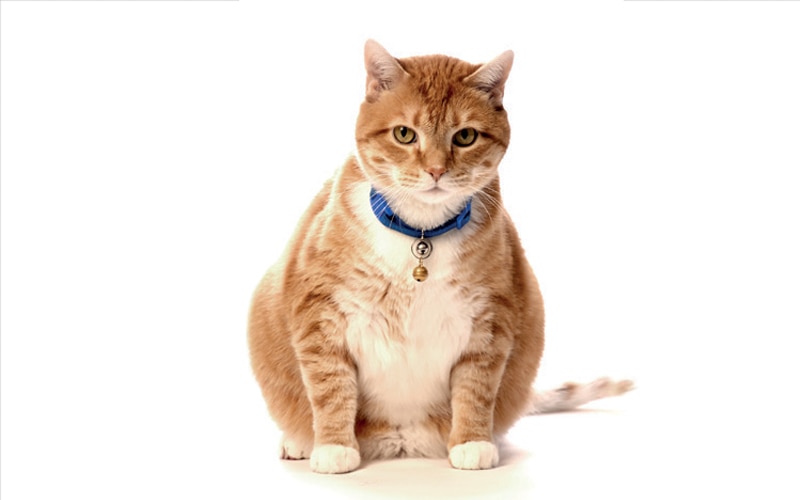 Phot Credit: © Getty Images
Reduce Kilojoules
Your vet can provide guidance for an appropriate diet. Ensure all rewards are healthy.
Measure Meals
Don’t just guestimate the amount of food you’re giving them. Measure out portion sizes accurately.
How to Tell if Your Pet is Overweight
Stand above your pet and look down. You should see a nice tapered waist between their hips and abdomen.
Obese pets will have a pendulous abdomen and noticeable hip and neck fat.
You should be able to feel their ribs (but not see them). If you feel a layer of padding instead of ribs, your pet is overweight.
Dr. Katrina Warren is a veterinarian based in Sydney, Australia. She has hosted several pet-oriented TV shows in Australia and on the Animal Planet channel in the United States.