- HOME
- /
- Culturescape
- /
How Colonial India Was Photographed, Classified and 'Typecast'
Through rare ethnographic photographs, the DAG exhibition Typecasting: Photographing the Peoples of India 1855–1920, examines how the British colonial project turned India’s immense diversity into rigid visual 'types'—and why those images continue to resonate today.
 Parsees, Attributed to William Johnson, Silver albumen print from wet collodion glass negative mounted on card; All photos courtesy of DAG, Delhi
At a time when conversations around identity, representation and historical memory are growing increasingly urgent, DAG’s exhibition, Typecasting: Photographing the Peoples of India 1855–1920, offers a timely re-examination of how colonial photography shaped perceptions of India and its people. Held at Bikaner House in New Delhi as a parallel exhibition to the 2026 India Art Fair, the show brings together nearly 200 rare photographs and photographic objects spanning 65 years of early Indian photography.
Curated by historian Sudeshna Guha, the exhibition explores the British colonial obsession with documenting and categorising India’s diverse communities through the lens of ethnographic photography. Tribes, castes, occupations and social groups were photographed, labelled and archived as “types”, often reducing living, fluid identities into rigid colonial classifications.
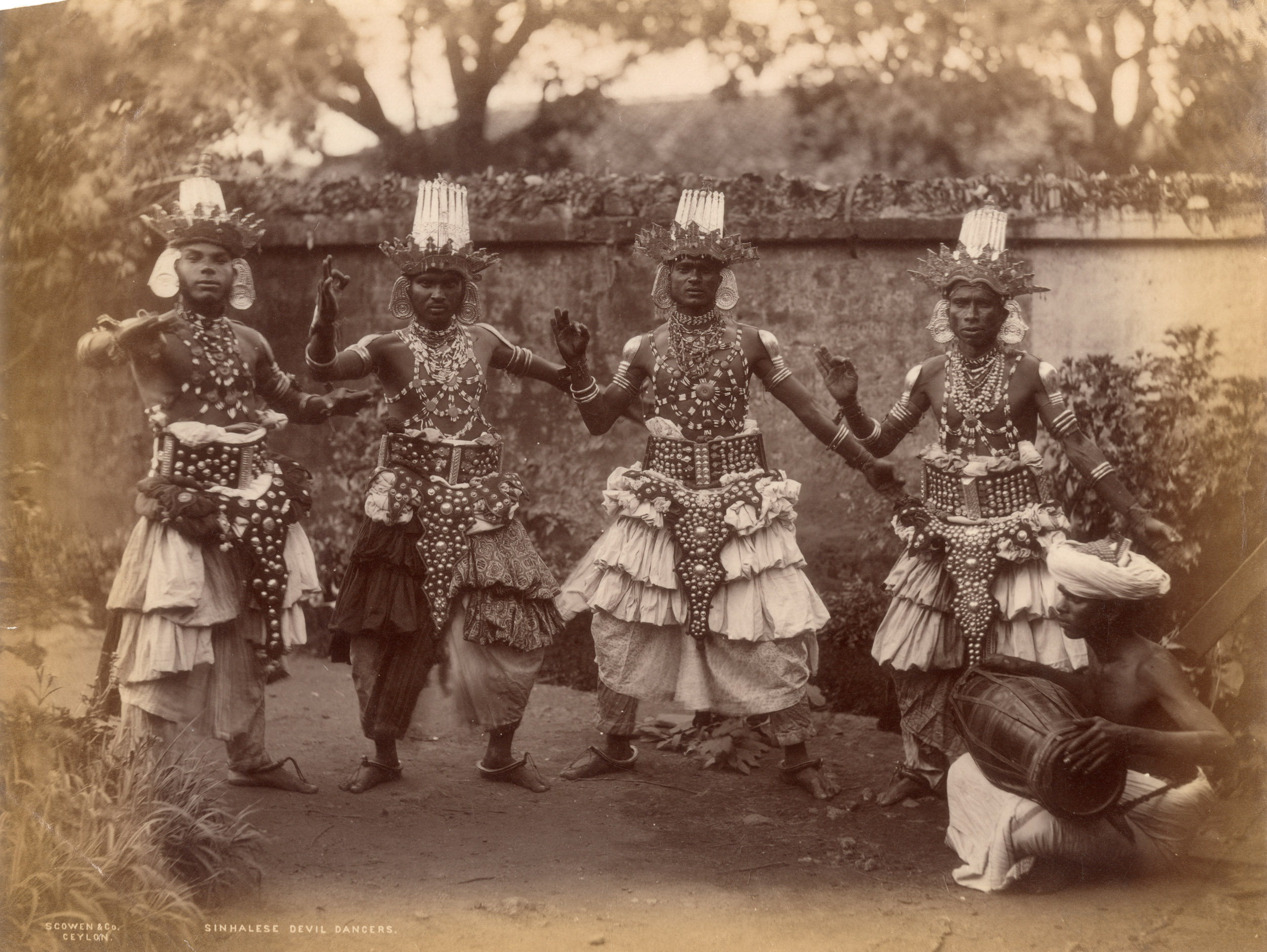 Sinhalese Devil Dancers, Scowen & Co., Silver albumen print on paper, c. 1880
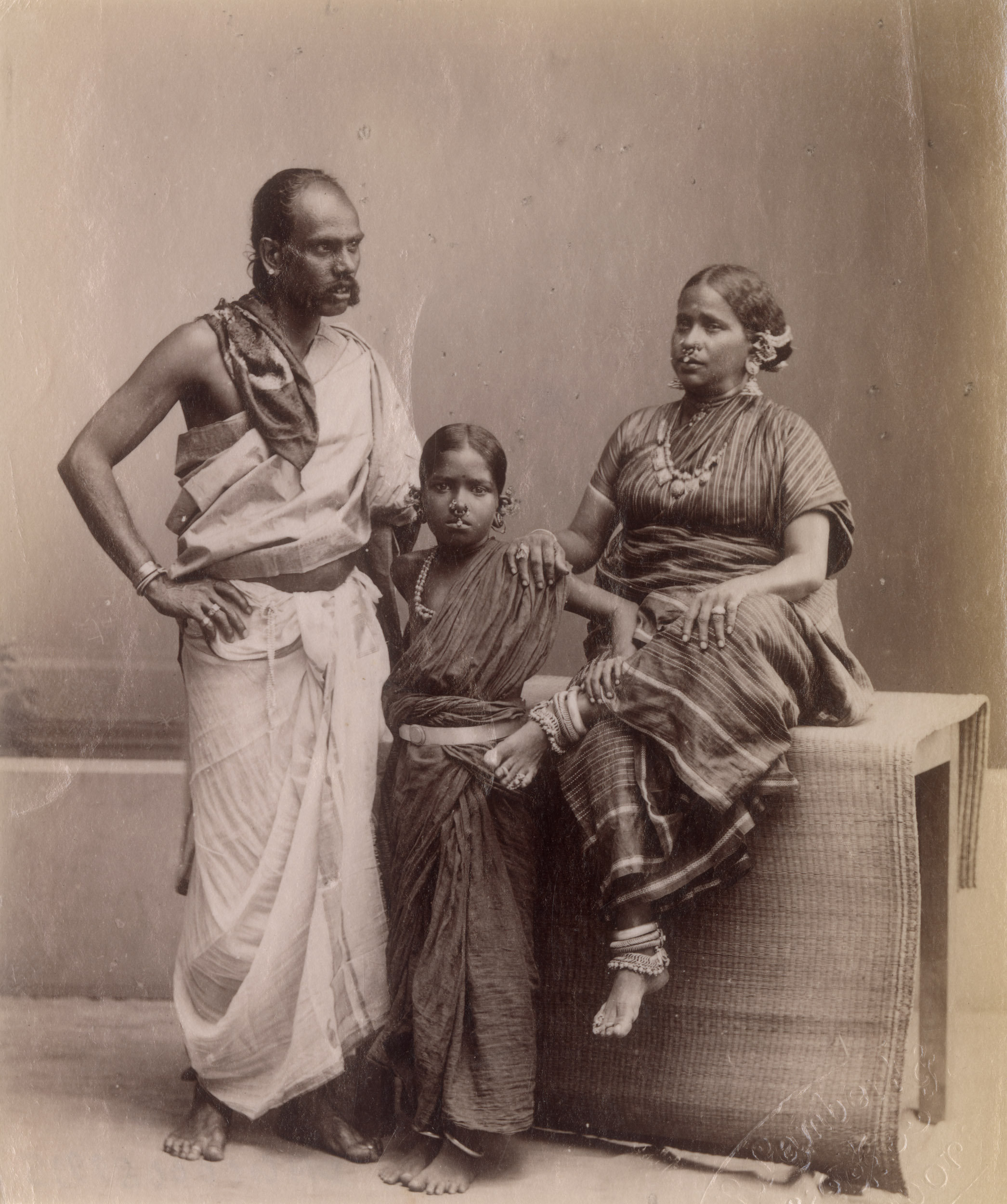 Untitled (Indian Family in Singapore), G.R. Lambert & Co., Silver albumen print on paper, late 19th century
At the heart of the exhibition are selections from The People of India, an ambitious eight-volume photographic survey published between 1868 and 1875 by John Forbes Watson and John William Kaye. Featuring works by pioneering photographers such as Benjamin Simpson, William Willoughby Hooper and John Burke, the project attempted to visually catalogue the subcontinent’s people according to ethnicity, profession and caste.
But Typecasting does more than simply present archival material. Instead, it critically interrogates the power structures behind these images and asks contemporary audiences to reconsider what photographs truly reveal. The exhibition foregrounds how photography became an instrument of colonial anthropology and governance, lending an illusion of scientific authority to deeply biased systems of classification.
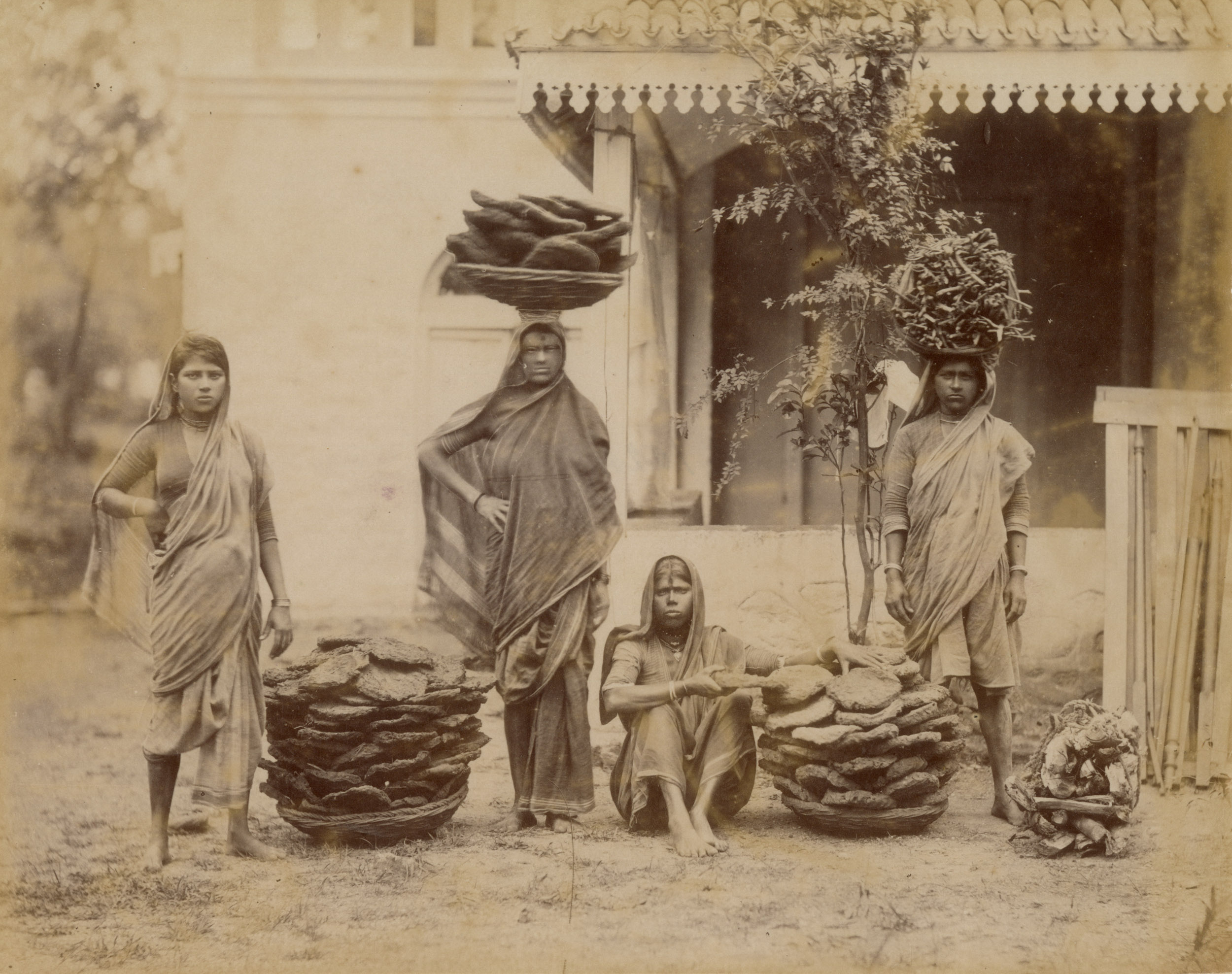 Manure Dryers, Attributed to Edward Taurines, Bombay Silver albumen print mounted on card, c.1890
This relevance feels particularly striking today. In an age shaped by surveillance, data profiling and algorithmic categorisation, the exhibition reminds viewers that the politics of labelling people is far from obsolete. Many colonial assumptions embedded in administrative systems and social attitudes continue to echo into the present. By revisiting these photographs critically, the exhibition opens up broader questions about who gets to represent whom—and how images can shape public imagination for generations.
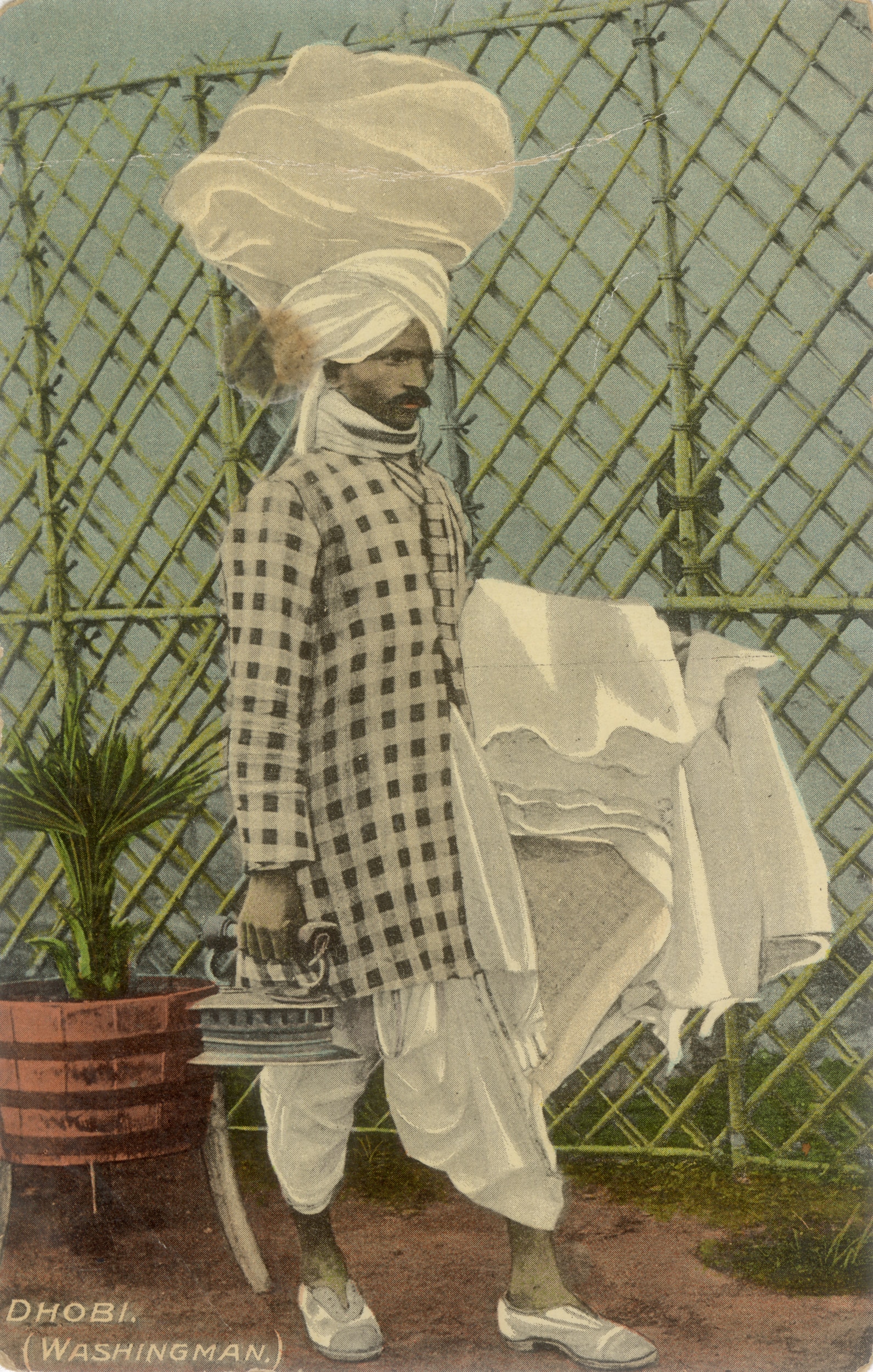
Dhobi (Washingman), Moorli Dhur & Sons, Ambala, Coloured halftone, divided back, early 20th century
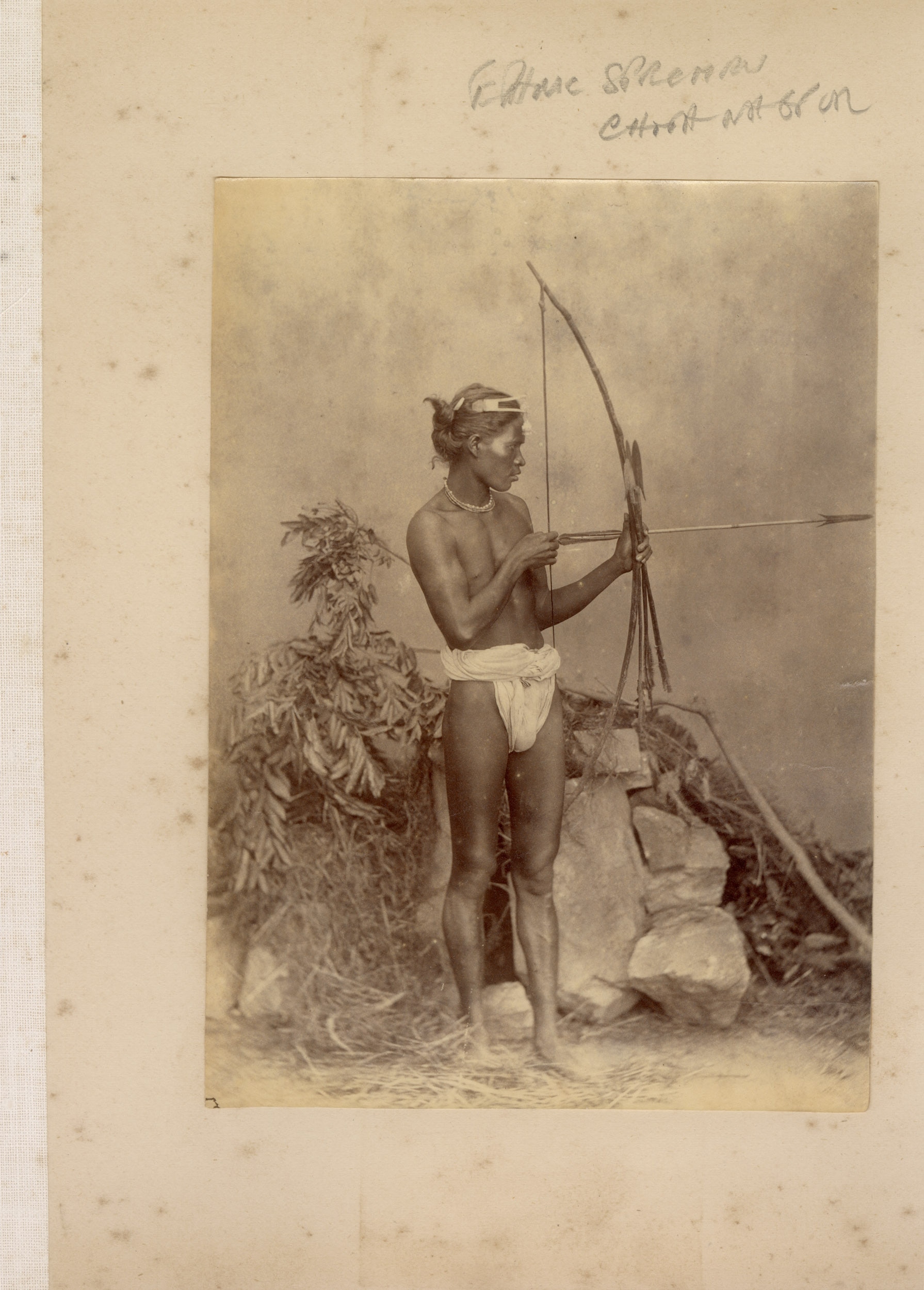 Untitled (Native Man from Chotanagpur drawing Bow and Arrow), Willoughby Wallace Hooper, Silver albumen print mounted on card, 1861–62
Guha argues that photographs must be understood not as fixed records, but as unstable and evolving objects whose meanings shift across time and context. That perspective transforms Typecasting from a historical archive into a living conversation about memory, identity and the enduring afterlife of the colonial gaze.
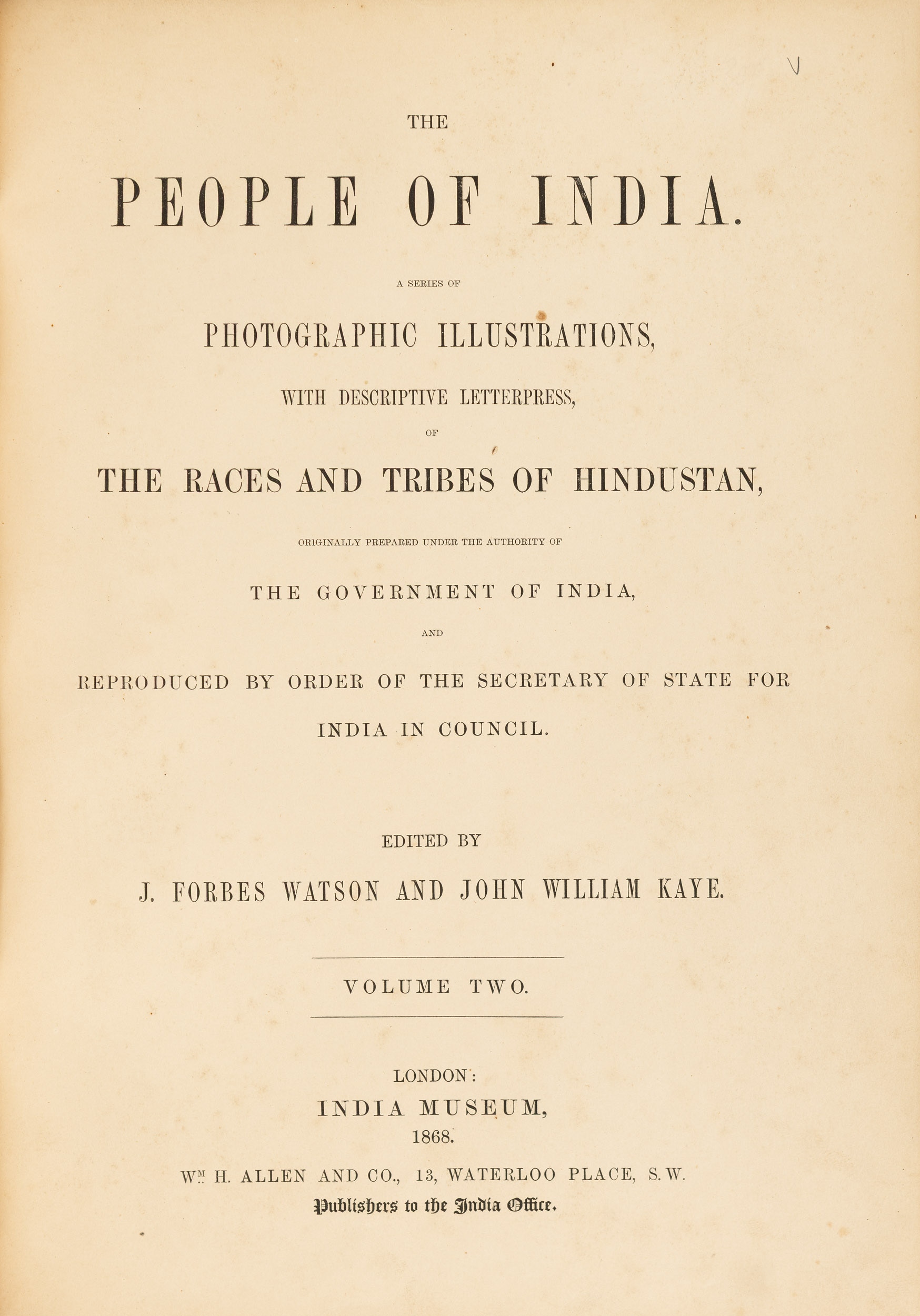 The People of India. A Series of Photographic Illustrations, with Descriptive Letterpress, of the Races and Tribes of Hindustan (Volume Two) 57 silver albumen prints with letterpress description, 1868
Ultimately, the exhibition asks viewers to look beyond the surface of these images—not simply to see the subjects captured by the camera, but to recognise the systems of power behind the act of looking itself.
For more on works of art like these, click here