- HOME
- /
- Culturescape
- /
- Me & My Shelf
- /
Githa Hariharan's 10 Favourite Books of All Time
Writer Githa Hariharan has, over the last 30 years, been a cultural commentator through her involvement with movements and her writing. Her works include essays, short fiction and novels such as The Thousand Faces of Night, which won the 1993 Commonwealth Writers Prize for Best First Book. Her most recent release is This Too Is India (Westland).
 Chandan Gorana
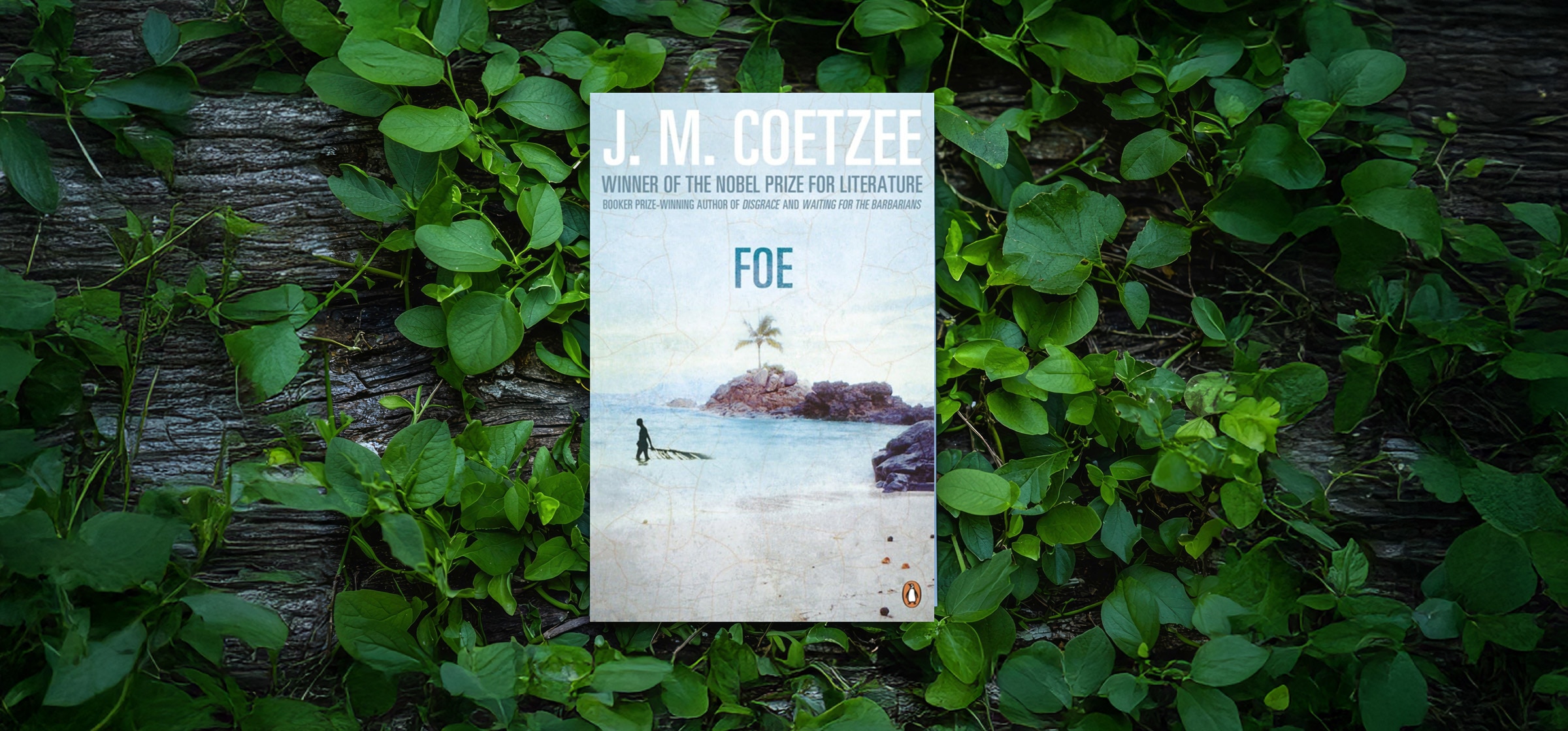
Foe by J. M. Coetzee, Penguin UK
An allegorical story of racism, colonialism and voice, Foe begins with the pair coupled in cultural memory, Robinson Crusoe and Friday. But it displaces the official narrative by supplying the missing figure—a female castaway who has a narrative of her own, and in solidarity with the silenced, colonized Friday. Retelling the old story to make it more inclusive, this novel insists on our hearing those whose voices have been muted.
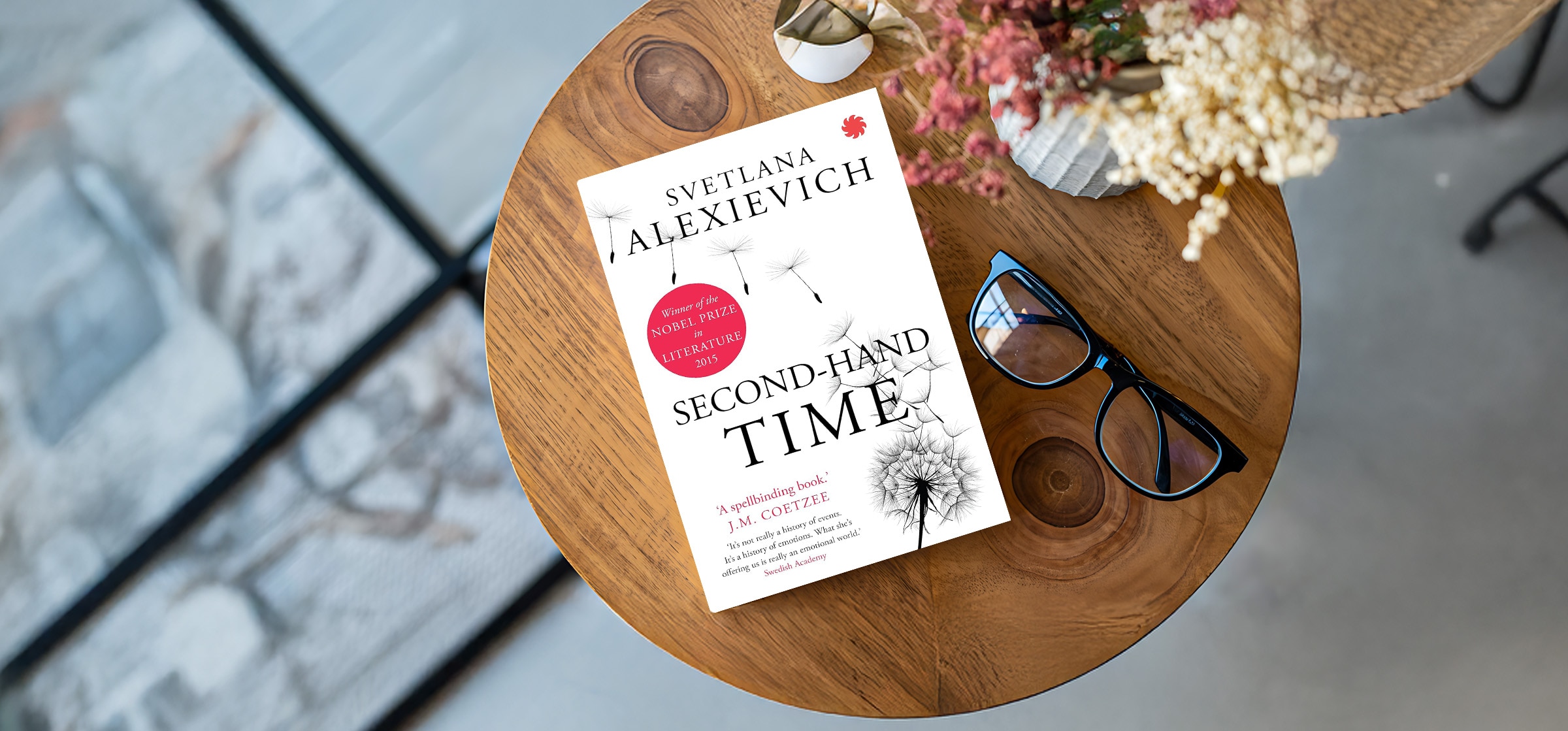
Second-Hand Time by Svetlana Alexievich, Translation by Bela Shayevich, Juggernaut
The book is about the USSR and Russia, but it is also about a large map of abstractions all of us live with, and live by, from freedom to the power of memory and debate. Its chronicles are replete with varied human detail, personal, revelatory, vivid; and they come to us through an almost endless series of individual voices.
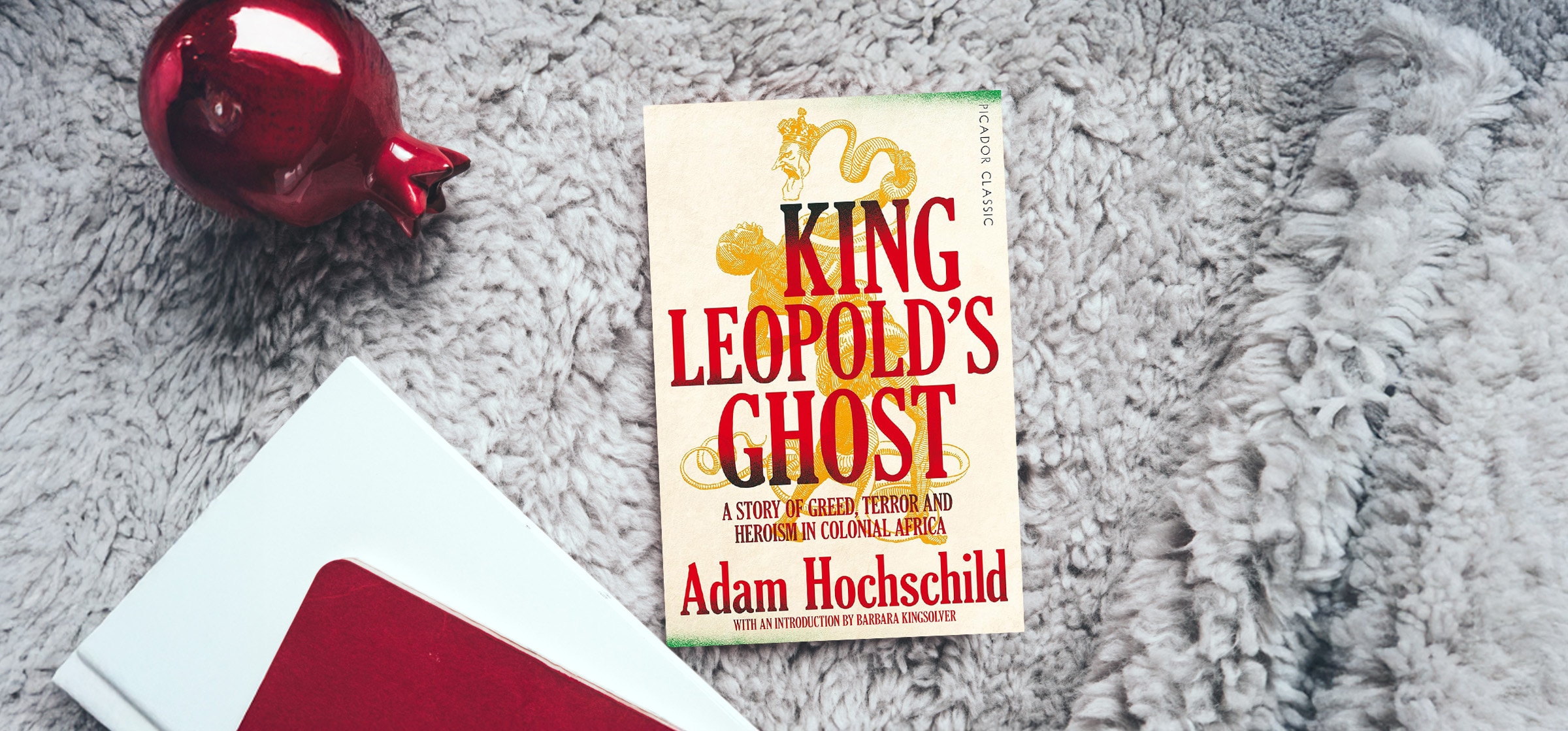
King Leopold’s Ghost by Adam Hochschild, Pan Macmillan UK
What is remembered, what forgotten? In this riveting read, Hochschild meticulously probes the devastating colonial experience of the Congo as well as the large gaps in public memory about this shameful history. King Leopold and the Belgian colonial officials were thorough in their destruction of potentially incriminating evidence from the historical record. And in the land that was plundered, the legacy was more than a particularly horrific colonial experience, because it included burying the past under layer after layer: a legacy of forgetting.
Karukku by Bama, OUP
This powerful memoir about living with caste offers testimony to the cruelties of discrimination and exclusion. But it also offers hope in its brave determination to ‘cut through the system’.
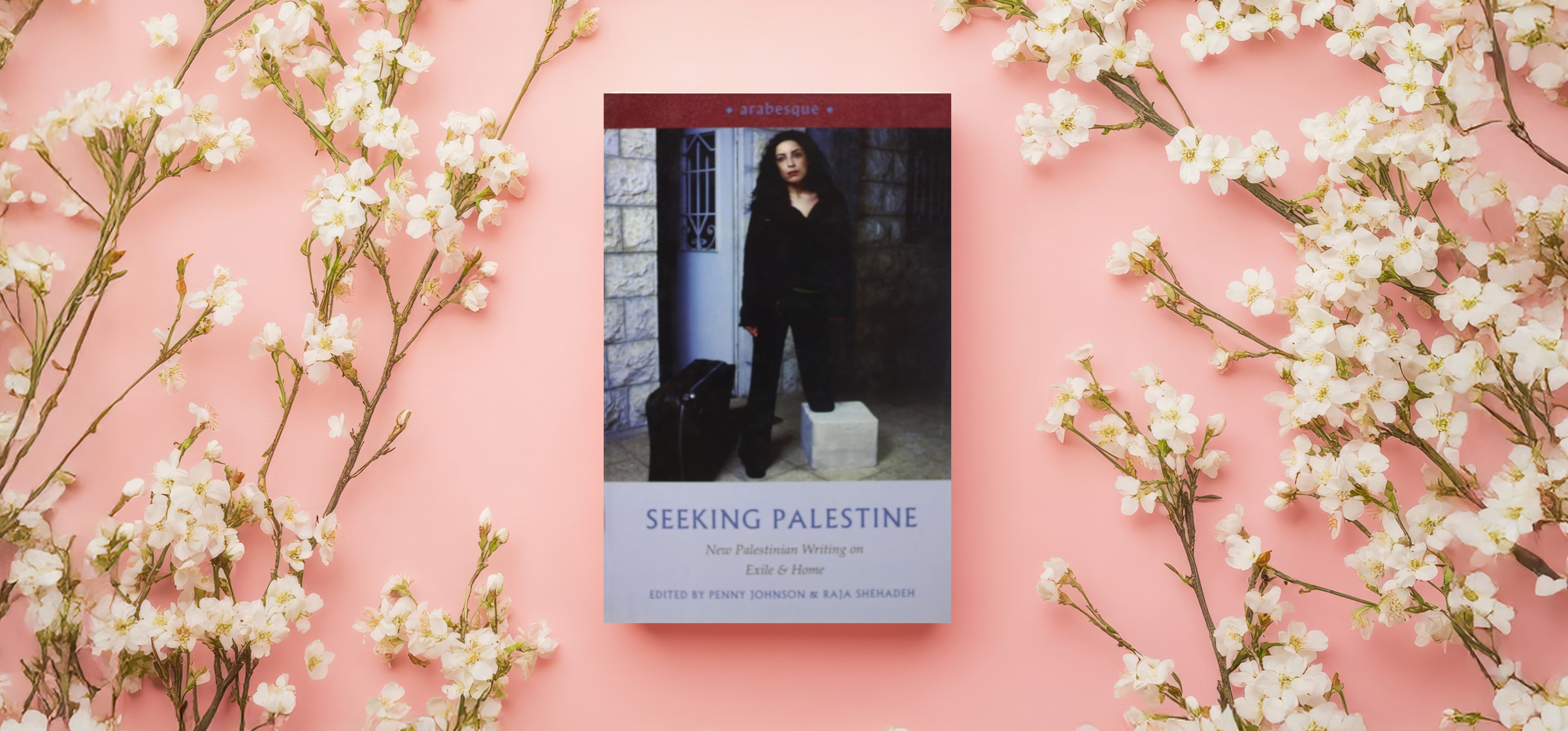
Seeking Palestine: New Palestinian Writing on Exile and Home, Edited by Raja Shehadeh and Penny Johnson, Women Unlimited
In this time of genocide in Gaza, this book has incredible resonance. How, it asks, can exile and home be written?
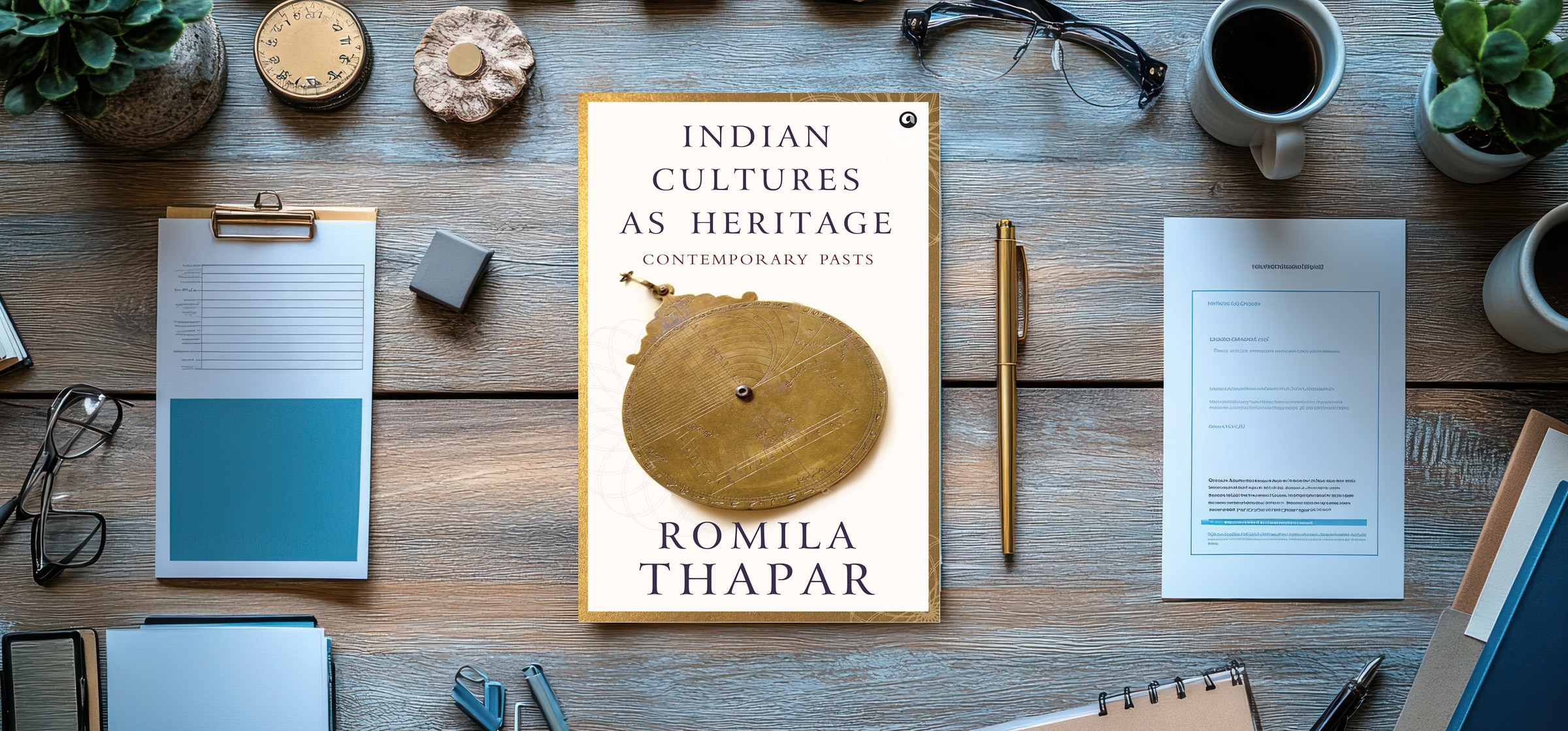
Indian Cultures as Heritage: Contemporary Pasts by Romila Thapar, Aleph
A historian who teaches and continues to learn, Thapar probes the contexts of culture and heritage in both past and present, so as to suggest links between patterns of living and cultures.
Speaking of Siva, Translation by A. K. Ramanujan, Penguin
Ramanujan’s translations of medieval vachanas—vachana means, simply, ‘what is said’—are intensely personal, even intimate conversations, between the poet and some form of Siva. They show us that it’s possible to find a contemporary voice in the past, and that the tussle between tradition and modernity is a continuous one.

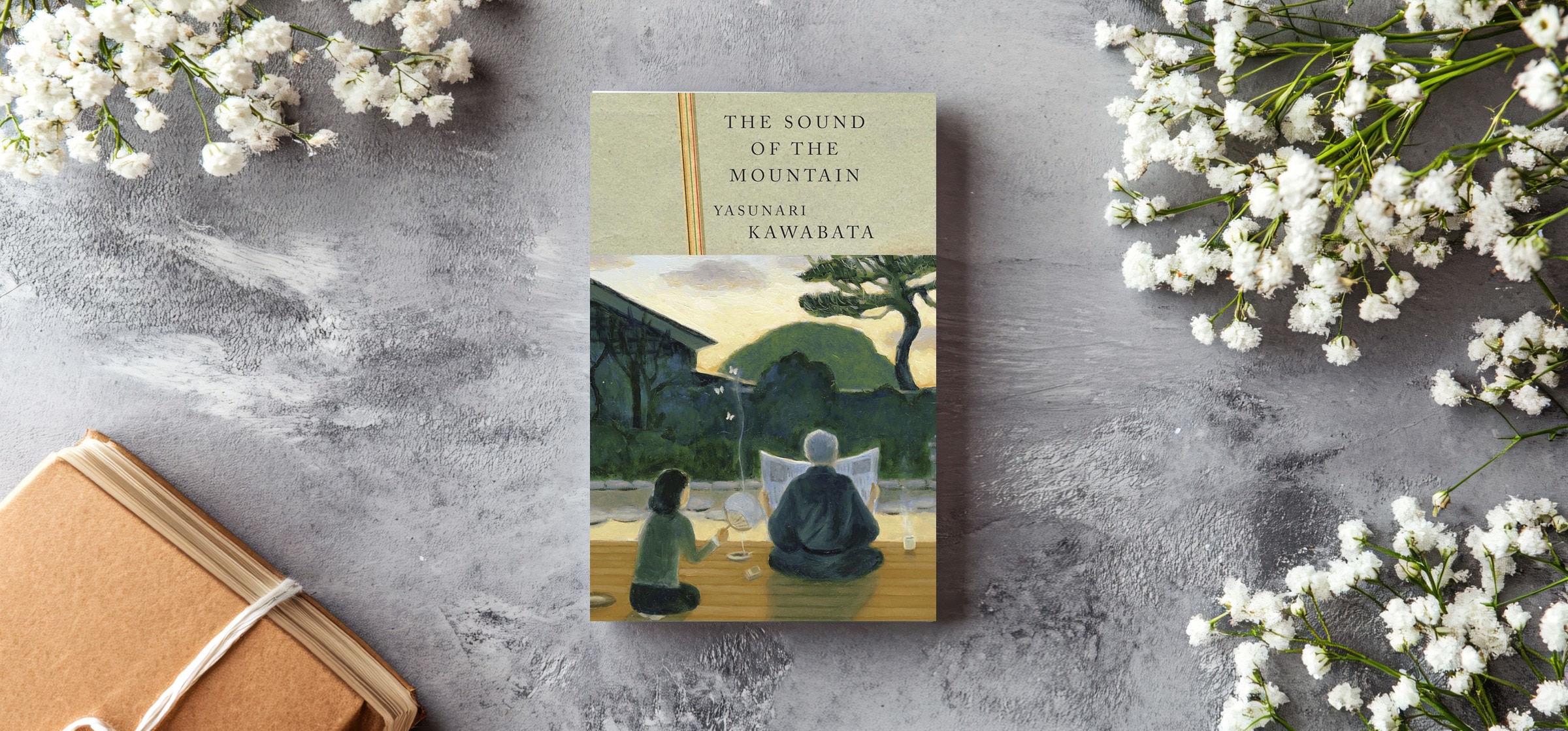
The Sound of the Mountain by Yasunari Kawabata, Vintage
Simplicity, openness, depth and lightness: is it possible to use these haiku (short Japanese poem) traits effectively in more spacious forms? This novel, written in spare prose akin to poetry, may well hold an answer to this question.
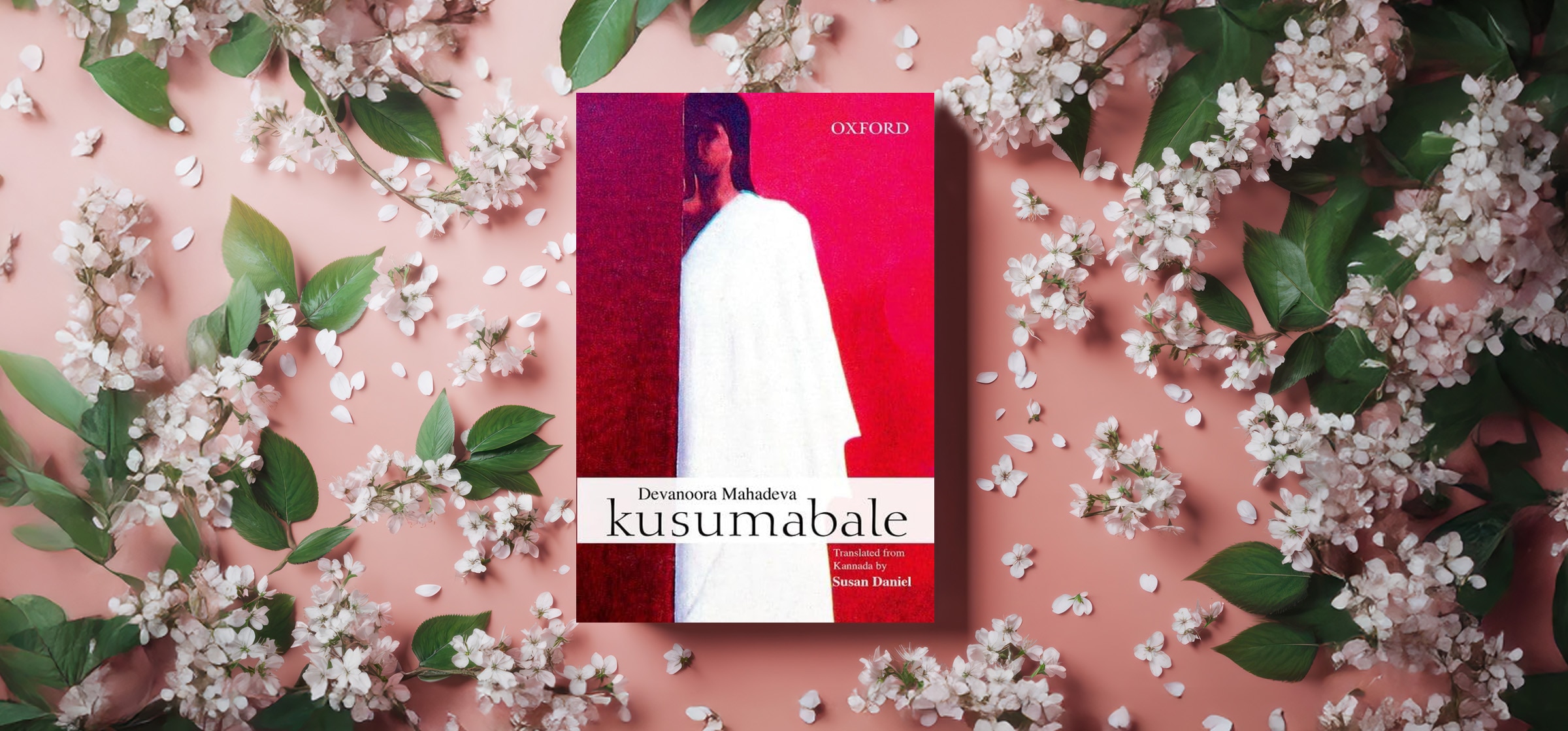
Kusumabale by Devanoor Mahadeva, Translated by Susan Daniel, OUP
With evocative language and a searing portrayal of feudal oppression, this novel brings together prose and poetry, and the myths that animate the oral tradition. The result is a breathtaking view of divisions, but also of resistance and the human thirst for justice.
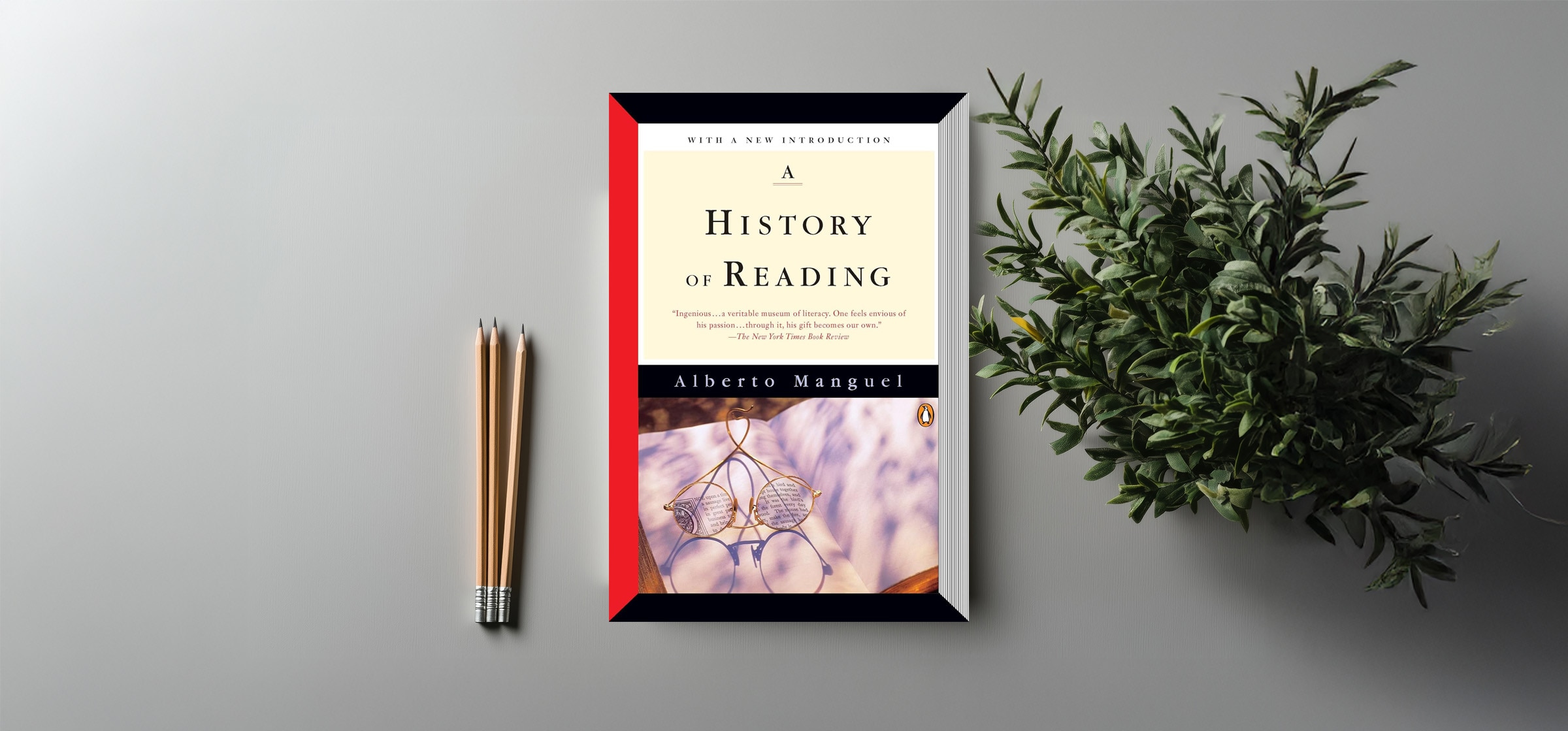
A History of Reading by Alberto Manguel, Penguin
With his personal experience as a starting point, Manguel writes a series of interlinked essays that dip into mythology, anecdote, theology, history and autobiography. Ranging from the history of making signs and interpreting them, to beguiling digressions on everyone from Augustine to Dickens to Colette and Lady Murasaki, Manguel’s account has all the value and the wayward charm of belles-lettres.